
News
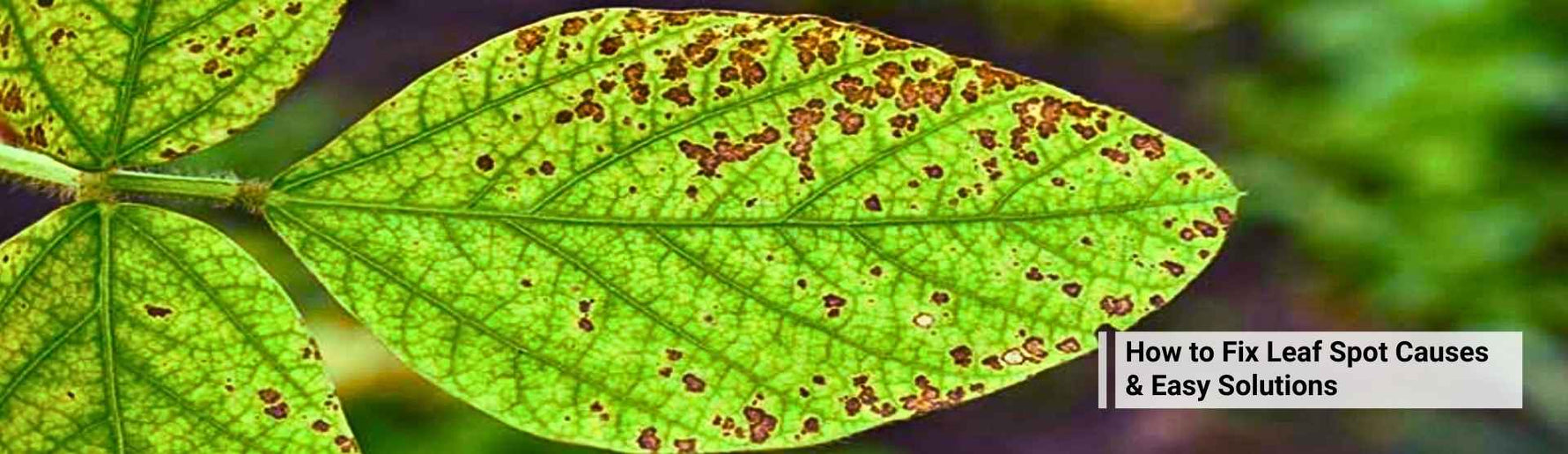
How to Fix Leaf Spot Causes & Easy Solutions
on Mar 19 2025
The prevent causes of leaf spots are fungi, bacteria, and a bad environment, which causes a lot of places on the leaf. Fungal leaf spot spreads due to poor air circulation and warm temperatures. Bacterial leaf spot occurs in wet conditions and enters through leaf cuts or natural openings. This is caused by overwatering, high humidity, and contaminated gardening tools.
Apart from this, nutrient deficiency, pest damage, and exposure to harsh chemicals also make plants weak. Proper plant care, like watering, airflow, and trimming infected plants, helps control leaf spots. This guide will discuss fixing the leaf spot in easy steps
What Causes Leaf Spot?
Three main things cause leaf spots:
1. Fungal Infections
Many types of fungi cause leaf spots. They spread through water, air, and infected tools.
2. Bacterial Infections
Some bacteria attack the leaves of plants and form black and water-soaked spots.
3. Poor Plant Care
Overwatering, too much humidity, and poor air circulation can cause spots on leaves.
These are the causes of leaf spots. Now, look at how to fix spots on leaves.
How to Fix Leaf Spot?
To follow these steps, you can fix spots on leaves:
1. Remove Infected Leaves
Cut off the infected leaves with clean scissors when you see spots on the leaves. This will keep the plants healthy and protect them from diseases.
2. Improve Air Circulation
Good airflow is essential for the health of plants. Do not keep the plants in one place. Keep them at regular intervals so that they can get the right path. This will keep the leaves dry and prevent fungal growth.
3. Water Plants Correctly
Give water to the soil, not to the leaves. Wet leaves attract fungi and bacteria.
Water your plants in the morning so the leaves dry quickly during the day.
Avoid overwatering. Too much moisture can cause leaf spots.
4. Use Natural Remedies
Use natural solutions to control leaf spots without harming your plants:
Neem Oil
A natural antifungal spray that stops fungi from growing.
Baking Soda Spray
Mix one teaspoon of baking soda with 1 liter of water and spray on the affected leaves.
Garlic Spray
Garlic has antibacterial properties. Blend a few garlic cloves with water and spray on infected plants.
5. Apply Fungicides (If Needed)
This chemical is used to stop the growth of fungi. If the leaf spots are severe, then you should use fungicide. Read the instructions given on the product before using it. Choose organic options that are safe for your plants and environments.
How to Prevent Leaf Spot?
Prevention is better than cure! Follow these steps to keep leaf spots away:
Keep Plants Healthy
To keep plants healthy, it is necessary to give them regular food. A well-fed plant resists diseases better. Regular use of organic compost or fertilizer is beneficial for the health of plants.
Clean Garden Tools
Don’t use dirty tools. Dirty tools can spread infections. Always clean your tools after using them.
Choose Resistant Plants
Some plants naturally protect themselves from leaf spots. You can also get advice about disease-resistant varieties from your local garden center.
Remove Fallen Leaves
Dead leaves falling on the soil cause many diseases. Always keep your plants clean.
Rotate Crops
If you want to grow vegetables, then change their location every season. This will keep diseases away from the soil.
Final Words
In conclusion, leaf spots can make plants weak and unhealthy, but easy steps exist to fix them. The leading causes of leaf spots are fungi, bacteria, and poor plant care. Removing infected leaves, improving air circulation, and correctly watering plants. Natural remedies like neem oil, baking soda, and garlic spray can help to control the disease without harming the plants.
Leaf spots look scary, but your plants can recover quickly with proper care. Follow the easy steps given in this guide and make your plants healthy.
Frequently Asked Questions (FAQ’s)
1. Can leaf spots spread to other plants?
Yes, leaf spots can spread through wind, water, and infected tools. Removing infected leaves and cleaning your tools are essential to prevent them from spreading.
2. Will the leaf spot go away on its own?
No, the leaf spot does not usually go away without treatment. You need to take action by removing infected leaves, improving airflow, and using natural remedies or fungicides.
3. Can I use household ingredients to treat leaf spots?
You can use natural remedies like neem oil, baking soda, or garlic spray to help control leaf spots. These methods are safe for plants and the environment.
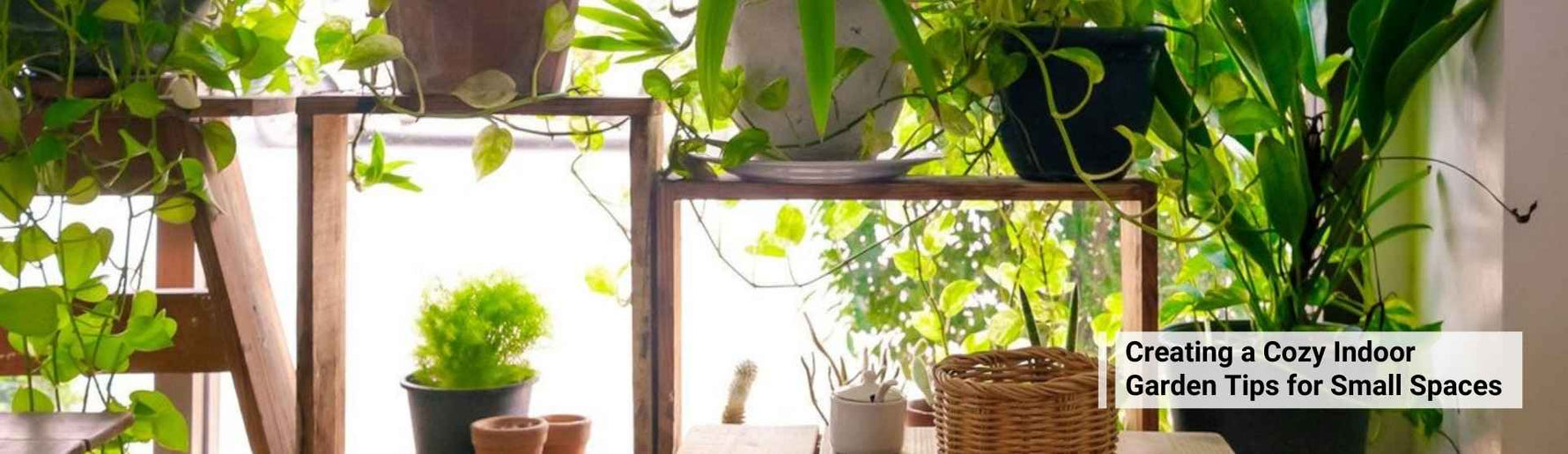
Creating a Cozy Indoor Garden - Tips for Small Spaces
on Mar 19 2025
Indoor gardens are an excellent way to bring nature into your home, no matter how small your space is. They help create a calming environment, improve air quality, and brighten any room with a touch of greenery. If you love plants but live in a small apartment or house, don't worry! You can still create a cozy indoor garden that fits perfectly in your space.
This guide will discover some simple and practical tips to help you design and maintain a beautiful indoor garden without taking up too much space. If you're a beginner or an experienced gardener, these ideas will help you get started.
Choose the Right Plants for Small Spaces
When living in a small space, choosing plants that don't take up too much space is essential. Some plants are naturally more compact and grow well in limited areas. Here are a few excellent choices for small indoor gardens:
Succulents
These low-maintenance plants come in many shapes and sizes, making them perfect for small spaces. They don’t need much water; you can group them to create a lovely display.
Herbs
Growing herbs like basil, mint, and rosemary in small pots is space-efficient and practical. You will have fresh herbs to cook with while adding a nice touch of greenery to your kitchen.
Pothos
This easy-to-grow plant can thrive in almost any condition. It’s perfect for small spaces because you can place it on a shelf or hang it in a basket, and it will cascade beautifully.
Spider Plants
These are great for beginners. They grow well in small spaces and have long, arching leaves that add a nice flow to any room.
Air Plants
Air plants are unique because they don't need soil to grow. You can display them in small glass containers, or terrariums, or even hang them with string, making them ideal for small spaces.
Use Vertical Space for Gardening
Thinking vertically can make all the difference when you don't have much floor space. Vertical gardens help you make the most of your space by using walls and shelves to hold your plants. Here are some ideas:
Wall-mounted planters
These planters are designed to hang on the wall and hold several plants simultaneously. You can arrange them in a line or a grid to create a stunning, space-saving display.
Shelves and ladders
Installing a few shelves or a small ladder shelf allows you to place plants at different heights. This adds depth to your indoor garden while keeping the plants neatly organized.
Hanging planters
Hanging plants from the ceiling is a great way to free up space on your floor or tables. Choose lightweight plants that can easily be suspended from a hook or decorative macramé hanger.
Maximize the Natural Light
Plants need sunlight to grow, and not all indoor spaces get enough natural light. However, there are ways to ensure your plants thrive, even in a smaller space with limited sunlight:
Position your plants near windows
Most indoor plants need indirect light, so place them near windows that get natural sunlight but avoid direct sunlight, which can scorch some plants. If your space is darker, consider moving your plants closer to the window or choosing plants that thrive in low-light conditions.
Use grow lights
If natural sunlight is hard to come by, consider using grow lights. These unique lights are designed to help plants grow by providing the light they need. You can find small, clip-on grow lights that won’t take up much space but still provide the necessary light for your plants.
Rotate your plants
Every few weeks, rotate your plants so that all sides get equal sunlight. This will help them grow evenly and prevent them from leaning toward the light source.
Keep it Simple with Minimalist Containers
In a small space, it’s easy to feel overwhelmed by too many pots and containers. Keep things simple by choosing minimalist, uniform containers that suit your style. Here are a few ideas:
Neutral colors
Opt for neutral-colored pots like white, gray, or terracotta. These colors blend effortlessly with any decor, allowing the plants to stand out without overwhelming the space.
Stackable planters
Stackable planters are a great option if you want to grow more than one plant. They allow you to develop multiple plants in a compact area, saving space while still looking stylish.
Unique containers
If you want to add a touch of personality to your indoor garden, consider using creative containers like mason jars, teacups, or even old cans. Just make sure they have drainage holes to keep the roots healthy.
Create a Focal Point with a Statement, Plant
You can create a focal point in a small space by showcasing one or two statement plants. These plants can add drama and interest to your indoor garden, making the room feel more vibrant. Some examples of statement plants for small spaces include:
Fiddle Leaf Fig
This plant has large, glossy leaves that make a bold statement. It’s ideal for small spaces where it can be the room's centerpiece.
Monstera Deliciosa
Known for its unique split leaves, the Monstera adds a tropical vibe to any room. It can grow quite large, so be sure to place it in a corner or near a wall to avoid taking up too much space.
Snake Plant (Sansevieria)
The snake plant is perfect for small spaces with its tall, upright leaves. It’s also a low-maintenance plant that purifies the air, making it an excellent addition to any indoor garden.
Care for Your Indoor Garden
Caring for your plants in a small space is easier. Here are some tips to keep them healthy:
Watering
Overwatering is a common mistake. Make sure to check the soil’s moisture level before watering. Most indoor plants prefer to dry out a little between waterings. A good rule of thumb is to water when the top inch of soil feels dry.
Pruning
Keep your plants looking neat by trimming any dead or yellowing leaves. Regular pruning helps encourage healthy growth and keeps your indoor garden looking tidy.
Cleaning
Mist the leaves of your plants regularly to ensure they can photosynthesize properly. A soft cloth or a light spray of water works well for cleaning.
Repotting
Your plants may need to be repotted into larger containers as they grow. This ensures their roots have enough space to grow and keeps them healthy.
Add Personal Touches
Finally, don’t forget to add personal touches to your indoor garden. Whether it’s decorative stones, colorful planters, or small garden figurines, these little details can make your indoor garden feel more inviting and unique.
Conclusion
Creating a cozy indoor garden in a small space doesn’t have to be complicated or overwhelming. You can quickly transform any room into a peaceful, green oasis by choosing the right plants, using vertical space, maximizing natural light, and keeping things simple.
Remember, gardening is all about enjoying the process and connecting with nature, no matter how small your space may be. Start your indoor garden today.
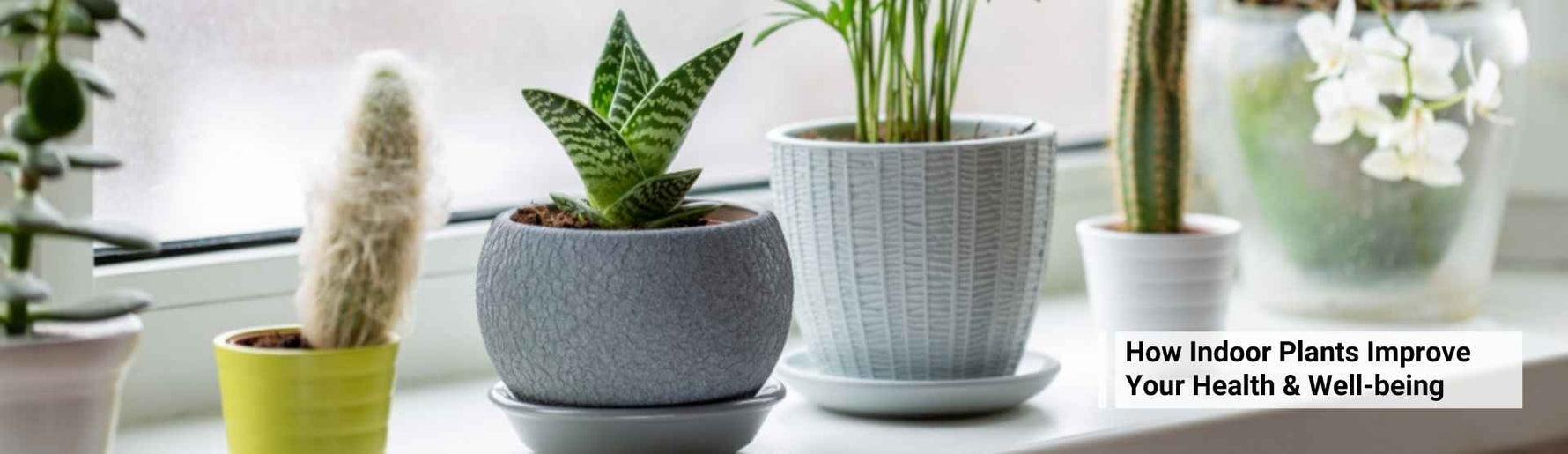
How Indoor Plants Improve Your Health and Well-being
on Mar 19 2025
In today’s busy world, it’s easy to forget how nature can help us feel better. We often get caught up in work, school, or personal issues and ignore the importance of our surroundings. But did you know that adding a few indoor plants to your home can help you feel better psychological benefits? Let’s look at how Indoor Plants Improve Your Health and Well-being?
Indoor Plants Help Reduce Stress
We all experience stress from time to time. Stress can affect our mental health, whether it’s from work, school, or personal life. But guess what? Indoor plants can help reduce stress.
Being around plants has been shown to calm our minds and reduce feelings of anxiety. The sight of greenery can help us relax and feel at peace. Plants help create a comfortable environment, which can help lower stress levels. Caring for houseplants and watching them grow can also make us feel good and reduce negative feelings.
They Clean the Air and Help Your Lungs
Did you know that plants can help clean the air? Plants absorb harmful gases like carbon dioxide and release oxygen, which allows us to breathe better. Some indoor plants, like the snake plant or peace lily, are very good at cleaning the air and removing pollutants.
Having plants in your home can also help people with allergies or asthma. By improving the air quality, plants can make it easier for you to breathe and keep your lungs healthy. They can even help reduce the symptoms of coughs and colds.
Plants Help You Focus and Be Productive
If you have trouble staying focused at work or school, adding plants to your space might be the solution. Studies show that having indoor plants around you improves concentration, it can reduce physical and psychological stress compared to mental work.
Plants help create a calm and peaceful environment, which makes it easier to focus. They also help reduce stress, making it easier to think clearly. A few plants on your desk or in your office can make a big difference in how well you work.
Indoor Plants Help You Sleep Better
Getting enough sleep is essential for good health, but many people struggle to get a good night's sleep. Indoor plants can help you sleep better by making your room feel calm and peaceful with indoor plants.
Some plants, like lavender and jasmine, are known for their relaxing qualities. They can help reduce anxiety and make it easier to fall asleep. Aloe vera is another plant that helps improve air quality at night by releasing oxygen, which can help you sleep more soundly.
Plants Improve Your Mood
Indoor tree plants can do wonders for your mood. Just having an indoor plant nursery near me by can make you feel happier and more relaxed. Studies have shown that plants can increase feelings of joy and reduce feelings of sadness.
The color and beauty of plants can brighten up any room, making you feel more optimistic. Caring for plants can also give you a sense of accomplishment, lifting your spirits and improving your mood.
They Boost Your Immune System
Your immune system helps your body fight illness, and indoor plants can help keep it strong. Plants can improve air quality, reduce stress, and even help balance the temperature and humidity in your home, all of which support a healthy immune system.
In addition, some plants have healing properties. For example, Aloe vera is known for its ability to soften the skin and reduce inflammation. Keeping indoor plants can create a healthier environment that helps you stay well.
Plants Help You Be More Creative
If you’re feeling stuck and need to come up with new ideas, indoor plants might be able to help. The presence of plants can improve your creativity and inspire new thoughts.
When you look at plants or spend time caring for them, your brain relaxes, which can help you generate creative ideas. Adding a few plants to your workspace might do the trick if you need a boost in your creative thinking.
Indoor Plants Improve Social Connections
Having indoor plants can also help improve your relationships with others. Plants make your home feel more welcoming, which can encourage friends and family to spend time with you.
Caring for plants can also be a fun activity with others. Gardening or sharing plant care tips can bring people together and create a sense of teamwork and connection.
Last Words: Divine-Roots indoor plants
Indoor plants are more than just pretty decorations. They offer many benefits for our health and well-being. From reducing stress and improving air quality to helping us sleep better and boosting our mood, plants can make a big difference in how we feel daily. According to a 1989 NASA study, houseplants can help improve air quality by removing cancer-causing chemicals like formaldehyde and benzene from the air.
Start adding some plants to your home today. Place a few on your desk, windows, or in the living room. Indoor plants can help create a healthier, happier, and more peaceful environment for you and your family.
Show
per page