

Fiddle Leaf Fig Not Growing? 7 Expert Fixes for Healthy Plants
Watching your fiddle leaf fig remain stagnant season after season can be incredibly frustrating. These stunning plants are prized for their large, violin-shaped leaves and architectural presence, but when growth stalls, it signals that something in their care routine needs adjustment. Whether you've recently brought home a new plant or have been nurturing one for years, understanding the reasons behind stunted growth is essential for cultivating the lush, thriving specimen you envision. At Divine Roots, we see many plant parents struggle with this common challenge, and the good news is that most cases of a fiddle leaf fig not growing can be reversed with targeted interventions.
Understanding Fiddle Leaf Fig Growth Patterns
Fiddle leaf figs (Ficus lyrata) are naturally vigorous growers in their native West African environment, where they can reach heights of 40 feet. As indoor plants, they typically grow one to two feet per year under optimal conditions. However, growth patterns vary significantly based on seasonal changes and environmental factors.
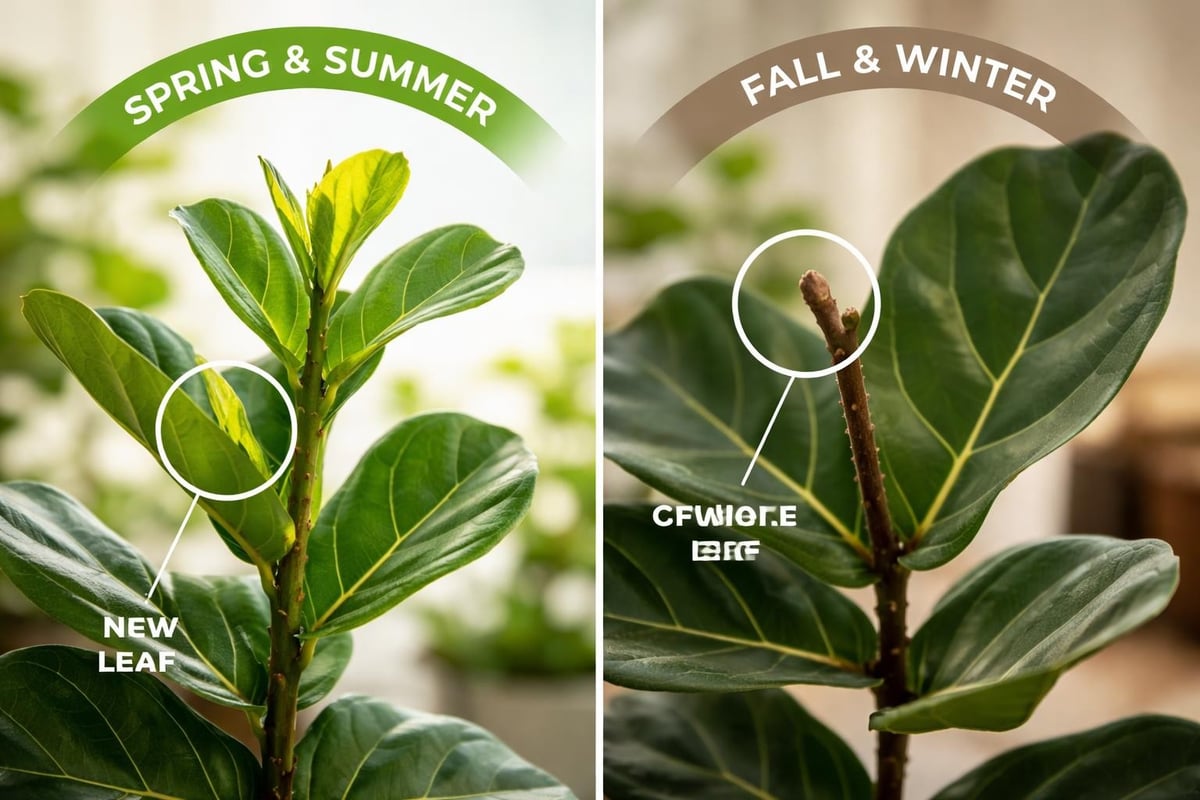
These plants experience their most active growth during spring and summer when daylight hours increase and temperatures warm. During fall and winter, fiddle leaf figs enter a semi-dormant phase where growth naturally slows or stops completely. This dormancy is normal and healthy, so if your plant isn't growing between October and February, patience may be the only solution required.
Understanding what constitutes abnormal growth helps identify real problems:
- No new leaves for six months or more during growing season
- Existing leaves remain small or deformed
- Stem elongation without leaf development
- Overall plant appears stunted compared to its pot size
Light Deficiency: The Primary Growth Inhibitor
Insufficient light stands as the number one reason for a fiddle leaf fig not growing. These plants evolved beneath the forest canopy where they received bright, filtered sunlight for most of the day. Indoor environments rarely replicate this intensity naturally.
Identifying Light Problems
Your fiddle leaf fig needs approximately six hours of bright, indirect light daily to maintain healthy growth. Signs of inadequate lighting include:
- Leaves growing smaller than previous growth
- Long spaces between leaf nodes on stems
- Plant leaning dramatically toward light source
- Pale green or yellowish new growth
According to research on common fiddle leaf fig problems, leggy stems with sparse foliage indicate chronic light deficiency.
Light Solutions That Work
| Light Source | Distance from Plant | Growth Impact |
|---|---|---|
| South-facing window | 2-4 feet away | Optimal growth rate |
| East/West window | Directly in window | Moderate growth |
| North-facing window | Supplemental light needed | Minimal growth |
| Grow light (full spectrum) | 12-18 inches above | Excellent growth |
Rotate your plant one quarter turn weekly to ensure even growth and prevent lopsided development. If natural light proves insufficient, invest in a quality LED grow light designed for foliage plants. Position it 12 to 18 inches above the plant canopy and run it for 12 to 14 hours daily.
Moving a light-starved plant to brighter conditions triggers new growth within four to six weeks during the growing season. However, make this transition gradually over two weeks to prevent shock and leaf burn.
Watering Imbalances Affecting Growth
Both overwatering and underwatering significantly impact your fiddle leaf fig's ability to produce new growth. The root system must function properly to absorb nutrients and support leaf development, and improper watering damages these critical structures.
Overwatering Consequences
Excessive moisture creates anaerobic soil conditions that suffocate roots and promote root rot. When roots die, the plant cannot absorb water or nutrients regardless of their availability. A fiddle leaf fig with compromised roots will cease all growth as it focuses energy on survival.
Proper watering frequency depends on multiple factors including pot size, soil composition, humidity, and temperature. The top two to three inches of soil should dry completely between waterings.
Overwatering symptoms include:
- Soil remains consistently damp or wet
- Brown spots with yellow halos on leaves
- Musty odor from soil
- Leaves dropping from lower portions first
Underwatering Effects
Chronic underwatering causes different but equally problematic growth issues. When soil dries completely and remains dry for extended periods, the plant enters survival mode and sheds leaves to conserve resources. New growth requires significant water investment, so drought-stressed plants simply won't produce new leaves.
- Check soil moisture weekly using your finger or a moisture meter
- Water thoroughly until water drains from bottom holes
- Empty saucers 30 minutes after watering to prevent standing water
- Adjust frequency seasonally as growth and evaporation rates change
The relationship between watering and growth becomes clear when you establish a consistent routine tailored to your specific environment. Plants at Divine Roots receive customized watering schedules in our greenhouse, and we recommend plant parents develop similar observation skills at home.
Nutrient Deficiencies Limiting Development
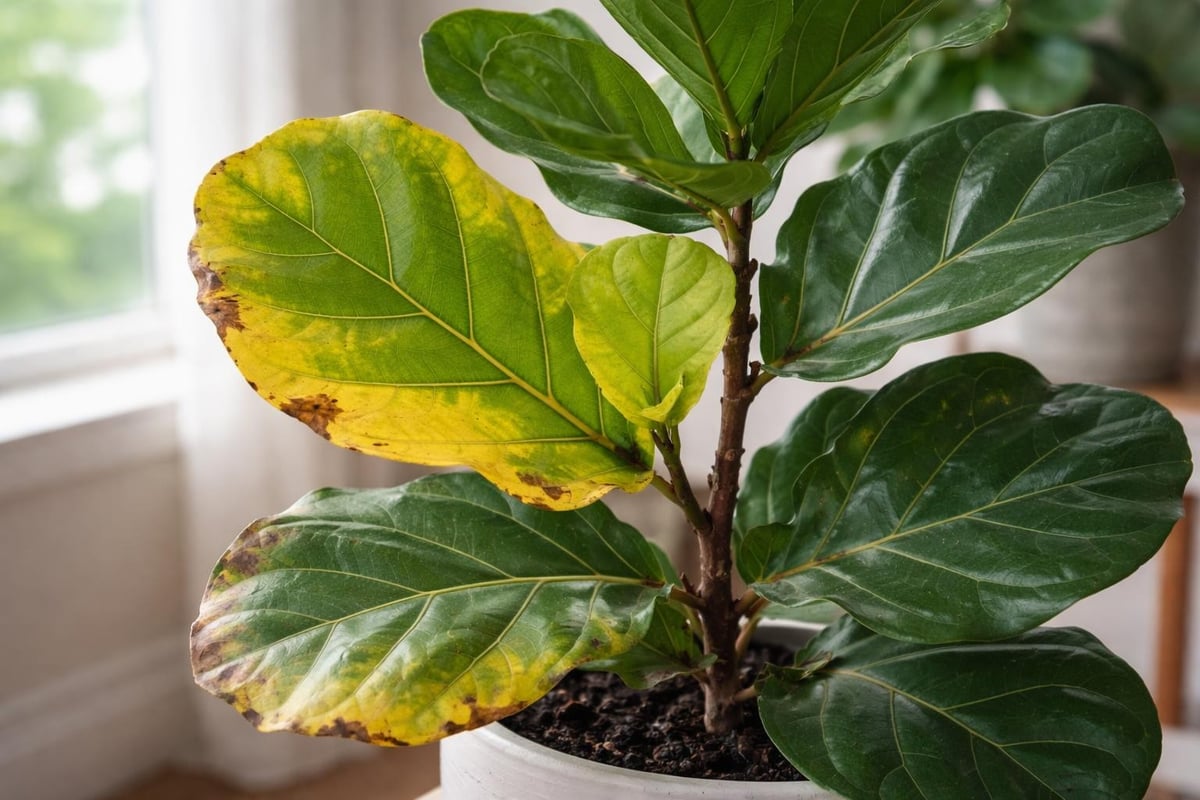
Even with perfect light and water, a fiddle leaf fig not growing may be suffering from nutrient depletion. Container plants have limited access to nutrients compared to their ground-planted counterparts, making regular fertilization essential during active growth periods.
Essential Nutrients for Growth
Fiddle leaf figs require balanced nutrition with emphasis on nitrogen for leaf production. The three primary macronutrients serve specific functions:
- Nitrogen (N): Promotes leaf growth and deep green coloration
- Phosphorus (P): Supports root development and overall plant health
- Potassium (K): Strengthens cell walls and disease resistance
Secondary nutrients and micronutrients also play important roles, though deficiencies appear less frequently in properly fertilized plants.
Fertilization Strategy
| Growth Phase | Fertilizer Ratio | Frequency | Application Method |
|---|---|---|---|
| Spring/Summer (active growth) | 3-1-2 or balanced | Every 4 weeks | Liquid, half strength |
| Fall (transitional) | 3-1-2 or balanced | Every 8 weeks | Liquid, quarter strength |
| Winter (dormant) | None | Do not fertilize | N/A |
Use a balanced liquid fertilizer diluted to half the recommended strength to prevent root burn. Apply fertilizer only to moist soil, never to dry roots. If you're exploring easy care plants for your collection, understanding fertilization requirements helps you choose compatible species.
Over-fertilization causes as many problems as nutrient deficiency. Salt buildup from excessive fertilizer creates brown, crispy leaf edges and can burn roots, ultimately stopping growth entirely. Flush soil every three months by running water through the pot for several minutes to remove accumulated salts.
Root-Bound Conditions Restricting Growth
A pot that's too small physically prevents your fiddle leaf fig from growing larger. Once roots fill the available space and begin circling the pot's interior, the plant cannot develop new root tissue to support additional foliage growth.
Inspect your plant's root situation annually by gently removing it from its pot. Healthy roots appear white or tan and spread throughout the soil. Root-bound plants show these characteristics:
- Roots circling densely around soil ball perimeter
- Roots growing through drainage holes
- Water running straight through pot without absorbing
- Soil drying extremely quickly after watering
Repotting into a container two inches larger in diameter provides room for renewed growth. Spring represents the ideal repotting time when plants can quickly establish in fresh soil. Use well-draining potting mix specifically formulated for tropical plants or create your own blend with peat moss, perlite, and pine bark.
The repotting process itself can temporarily slow growth as the plant adjusts to its new environment. However, within four to six weeks, you should observe new leaf development as roots expand into fresh soil. For additional guidance on maintaining healthy plants, visit our comprehensive plant care blog featuring expert tips and troubleshooting advice.
Temperature and Humidity Factors
Fiddle leaf figs thrive in consistent temperatures between 60 and 75 degrees Fahrenheit. Significant temperature fluctuations stress plants and halt growth as they focus energy on adaptation rather than development.
Temperature Challenges
- Avoid cold drafts from windows, doors, and air conditioning vents
- Prevent heat stress by keeping plants away from heating vents and radiators
- Maintain nighttime temperatures no lower than 55 degrees Fahrenheit
- Protect from sudden changes when moving plants outdoors seasonally
Humidity levels between 40 and 60 percent support optimal growth. While fiddle leaf figs tolerate average home humidity better than many tropical plants, extremely dry air can slow growth and cause leaf edge browning. Understanding how indoor plants improve health while adapting to home environments helps create better growing conditions overall.
Increase humidity through several methods without creating excessive moisture that promotes fungal issues:
- Group plants together to create microclimate zones
- Place pots on pebble trays filled with water below pot bottom
- Run a cool-mist humidifier near plant groupings
- Avoid misting, which can encourage bacterial growth on leaves
Pest and Disease Impact on Growth
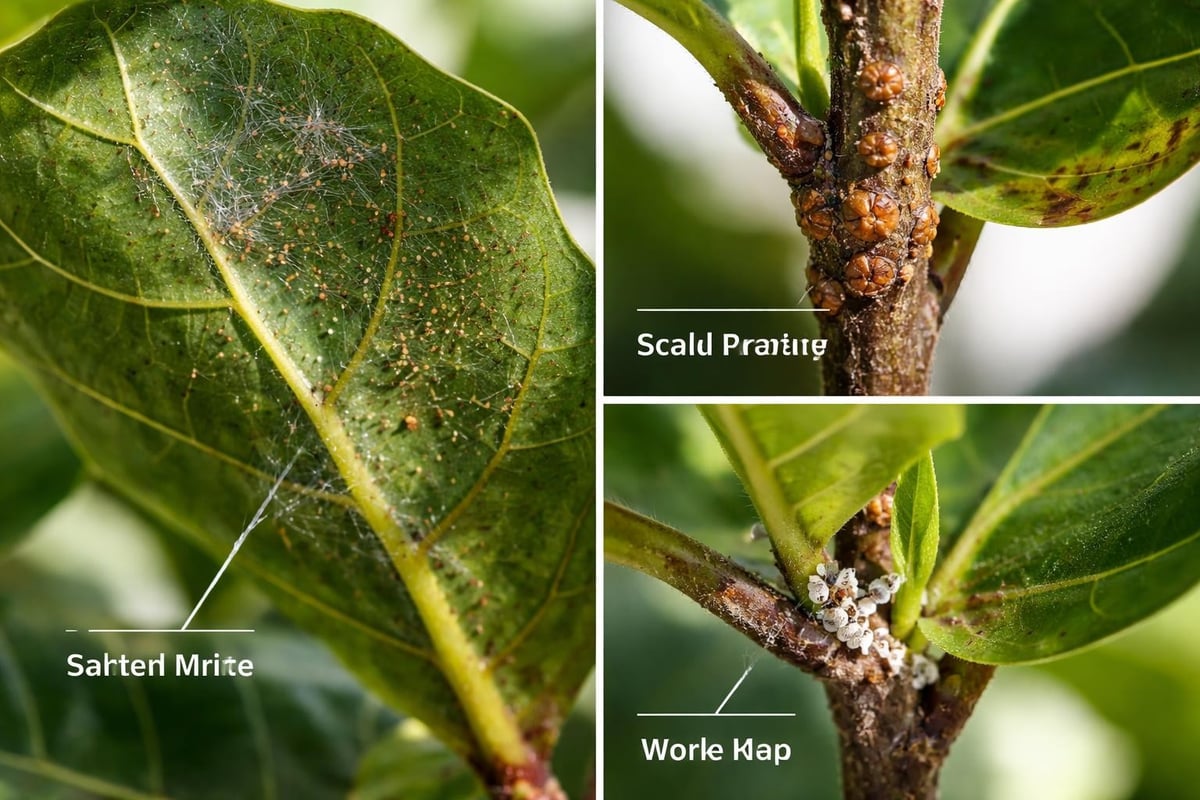
Hidden pest infestations silently drain energy from your fiddle leaf fig, preventing growth even when all other conditions seem perfect. These pests feed on plant sap, removing nutrients and water while injecting toxins that further stress the plant.
Common fiddle leaf fig pests include:
- Spider mites: Tiny pests creating fine webbing between leaves
- Scale insects: Brown or white bumps adhered to stems and leaf undersides
- Mealybugs: White, cottony clusters in leaf axils and along stems
Inspect your plant monthly, especially leaf undersides and stem joints where pests congregate. Early detection allows for easier treatment before infestations become severe enough to stop growth completely.
Fungal and bacterial diseases also inhibit growth, particularly root rot from overwatering. According to information about common leaf spot causes, bacterial infections can spread rapidly if not addressed promptly. Signs include brown spots with yellow halos that expand over time.
Treat pest problems with insecticidal soap or neem oil applied weekly until infestation clears. For fungal issues, improve air circulation, reduce watering frequency, and remove affected leaves. Severe root rot may require repotting into fresh soil after trimming damaged roots.
Soil Quality and Composition
The growing medium directly influences nutrient availability, water retention, and root oxygen access. Poor quality soil becomes compacted over time, reducing drainage and creating conditions unsuitable for healthy growth.
Fiddle leaf figs require well-draining soil that retains some moisture while allowing excess water to escape quickly. Standard potting soil often proves too dense, leading to waterlogged conditions and root problems.
Ideal Soil Composition
Create or purchase soil with these components:
- 40% peat moss or coco coir for moisture retention
- 30% pine bark for structure and aeration
- 20% perlite for drainage and oxygen circulation
- 10% compost for slow-release nutrients
If you're just starting your indoor garden journey, exploring easy care indoor plants for beginners alongside your fiddle leaf fig provides comparison points for understanding different plant needs.
Soil pH should range between 6.0 and 7.0 for optimal nutrient uptake. Test your soil annually and amend as needed with lime to raise pH or sulfur to lower it. Replacing the top two inches of soil annually without full repotting refreshes nutrients and improves structure without disturbing established roots.
Pruning for Stimulated Growth
Strategic pruning encourages branching and fuller growth rather than single-stem vertical development. While it seems counterintuitive to remove plant material when worried about a fiddle leaf fig not growing, selective cuts redirect growth hormones and create more vigorous plants.
Top pruning involves cutting the main stem just above a leaf node, which triggers dormant buds below the cut to activate and form branches. This technique works best on established plants at least three feet tall during early spring when growth hormones are most active.
Benefits of proper pruning:
- Creates bushier, fuller plant shape
- Encourages multiple growth points instead of single stem
- Removes damaged or diseased tissue that drains energy
- Controls overall plant size and shape
Use clean, sharp pruning shears sterilized with rubbing alcohol between cuts. Make cuts at 45-degree angles one-quarter inch above leaf nodes. The plant may pause growth briefly after pruning but typically responds with multiple new shoots within four to eight weeks.
Never remove more than 30 percent of total plant mass in a single session. Excessive pruning shocks the plant and can actually slow growth rather than stimulate it. For plants struggling with issues like leaf drop, address underlying care problems before attempting pruning.
Acclimation After Purchase or Relocation
Newly acquired fiddle leaf figs often experience a growth pause as they adjust to new environmental conditions. This acclimation period typically lasts four to eight weeks and represents normal plant behavior rather than a care problem.
Plants shipped from greenhouses experience dramatic changes in light intensity, humidity, temperature, and air circulation when moved to homes. Even relocating a plant within your home to a different room can trigger temporary growth cessation as it adapts to changed conditions.
Minimize acclimation stress by:
- Gradually introducing plants to new light levels over one to two weeks
- Maintaining consistent watering schedules despite reduced water needs
- Avoiding fertilization for the first month after major changes
- Limiting further relocations until plant shows active new growth
Plants from Divine Roots undergo careful hardening-off processes before shipping, but some adjustment period remains normal and expected. During this time, focus on establishing proper care routines rather than troubleshooting growth problems that may resolve naturally.
Reviving a stagnant fiddle leaf fig requires patience, observation, and systematic adjustment of care practices to match the plant's needs. By addressing light quality, watering consistency, nutrient availability, and environmental conditions, most growth problems resolve within one growing season. If you're ready to expand your collection with healthy, greenhouse-grown specimens that receive expert care from day one, explore the curated selection at Divine Roots, where every plant is nurtured for success in your home.
Related Guides
- Complete fiddle leaf fig care guide
- Fiddle leaf fig watering
- Fertilizer guide
- Root rot treatment
- Yellowing leaves: 8 causes
- Rubber plant care
About the author
Written and reviewed by Robert, Founder of Divine Roots — he grows, propagates and ships the plants we sell, and the care advice here reflects what actually works in our own greenhouse.
Frequently Asked Questions
Why has my fiddle leaf fig stopped growing?
Insufficient light is the cause in most cases. Fiddle leaf figs need several hours of bright light daily, ideally right beside a large window. Other common causes are being root-bound, no fertilizer during the growing season, cold drafts, and inconsistent watering that keeps the plant in stress.
How fast should a fiddle leaf fig grow?
A healthy indoor fiddle leaf fig puts on one to two feet a year, almost all of it in spring and summer. Expect a new leaf every four to six weeks in good conditions. A full year with no new leaves nearly always points to a light problem.
Does a fiddle leaf fig need fertilizer to grow?
Yes. In a pot, the plant exhausts available nutrients within a few months. Feed a balanced liquid fertilizer at half strength every two to four weeks from spring through early autumn, and stop in winter. Never fertilize a plant that is dry, sick, or newly repotted.
Will repotting make my fiddle leaf fig grow?
It will if the plant is root-bound, with roots circling the pot or coming out of the drainage holes. Move up just one or two inches in pot diameter. Repotting a plant that has plenty of root room does nothing and often triggers weeks of sulking.
Should I prune my fiddle leaf fig to encourage growth?
Yes. Cutting the main stem just above a leaf node in spring forces the plant to branch, producing two or three new shoots instead of one tall stem. Pruning is also the only way to build the classic branched tree shape rather than a bare pole.
Is it normal for a fiddle leaf fig not to grow in winter?
Completely normal. Short days and lower light push the plant into near-dormancy, so growth pauses from late autumn until spring. Cut back watering, stop fertilizing, keep it away from radiators and cold drafts, and wait. Growth resumes on its own as daylight returns.
Share