

Large Indoor Plant Pots: Complete Selection Guide
Selecting the right large indoor plant pots transforms your interior space from ordinary to extraordinary while ensuring your plants thrive for years to come. Whether you're creating a statement corner with a towering fiddle leaf fig or establishing a lush indoor garden, the container you choose plays a crucial role in plant health, aesthetic appeal, and long-term maintenance. Understanding the nuances of pot materials, sizing principles, and design considerations empowers you to make informed decisions that benefit both your plants and your interior design vision.
Understanding Pot Size and Plant Health Relationship
The connection between pot size and plant vitality cannot be overstated. Many plant enthusiasts make the mistake of assuming bigger is always better, but proper sizing follows specific principles that promote healthy root development and prevent common issues like root rot.
The Two-Thirds Rootball Principle
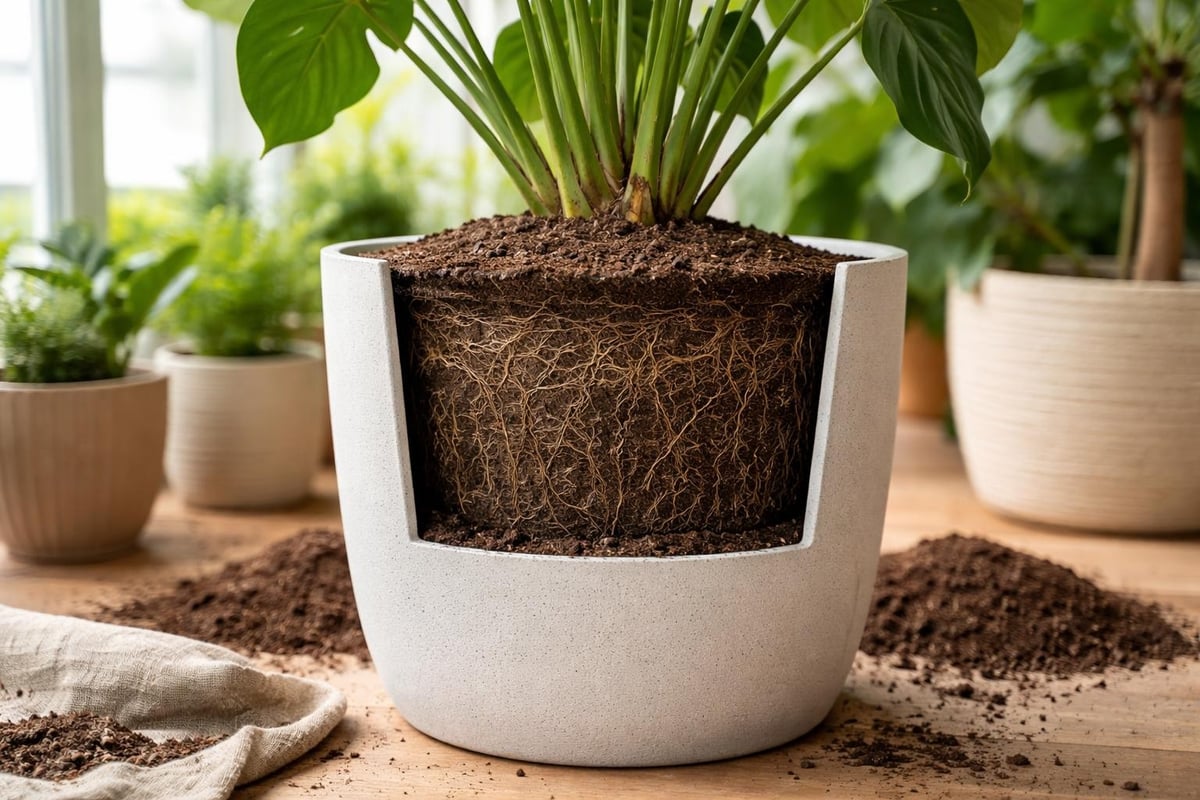
Professional horticulturists recommend selecting pots based on the ⅔ rootball principle, which suggests that the container should provide approximately one-third additional space beyond the plant's current root system. This approach offers several advantages:
- Allows adequate room for root expansion without excessive soil volume
- Prevents moisture retention issues associated with oversized containers
- Reduces risk of fungal infections and root diseases
- Supports steady, controlled growth patterns
When your plant outgrows its current home, selecting the next size up rather than jumping multiple sizes ensures gradual adaptation. For large indoor plant pots, this typically means increasing diameter by 2-4 inches for most species.
Growth Rate Considerations
Different plant species require different approaches to pot sizing. Fast-growing plants like pothos or philodendron benefit from slightly larger containers that accommodate rapid root development. Conversely, slow-growing specimens such as snake plants or ZZ plants thrive in containers that feel somewhat snug.
| Plant Growth Rate | Pot Sizing Strategy | Repotting Frequency |
|---|---|---|
| Fast-growing | Room for 2-3 years growth | Every 12-18 months |
| Moderate | Current rootball plus 30% | Every 18-24 months |
| Slow-growing | Minimal extra space | Every 24-36 months |
The Divine Roots plant care blog offers detailed guidance on repotting schedules for specific species, helping you maintain optimal container sizes throughout your plant's lifecycle.
Material Selection for Large Indoor Plant Pots
The material composition of your planters significantly impacts moisture retention, temperature regulation, and overall plant health. Each material category offers distinct advantages and challenges worth considering before making your investment.
Terra Cotta and Unglazed Ceramic Options
Traditional terra cotta remains popular for good reason. These porous containers breathe, allowing excess moisture to evaporate through the walls and preventing waterlogged soil conditions. For plants sensitive to overwatering, unglazed options provide a built-in safety mechanism.
Benefits of terra cotta for large pots:
- Natural moisture regulation through evaporation
- Affordable compared to other premium materials
- Classic aesthetic that complements various interior styles
- Heavy weight provides stability for tall plants
However, the material choice impacts plant health in specific ways. Terra cotta requires more frequent watering since moisture escapes through the walls, which may not suit low-maintenance plant care routines.
Glazed Ceramic and Stoneware
Glazed ceramic pots offer the aesthetic appeal of pottery with improved moisture retention. The non-porous glaze prevents evaporation, making these containers ideal for moisture-loving plants or situations where consistent watering proves challenging.
These pots excel in modern interiors where design matters as much as function. From minimalist white finishes to bold geometric patterns, glazed options provide endless customization possibilities. The added weight also ensures stability for top-heavy plants.
Modern Fiberglass and Resin Alternatives
Contemporary large indoor plant pots increasingly utilize fiberglass and high-quality resin materials. These innovative options solve several traditional challenges:
- Lightweight construction makes moving large planters manageable
- Weather resistance allows transitioning plants between indoor and outdoor spaces
- Design flexibility enables complex shapes and finishes
- Durability ensures years of use without cracking or chipping
Premium fiberglass planters can mimic the appearance of stone, concrete, or metal while weighing a fraction of the authentic materials. This characteristic proves particularly valuable for apartment dwellers or spaces with weight restrictions.
Plastic and Composite Materials
While often overlooked in favor of premium materials, quality plastic containers offer practical advantages for large indoor plant pots. Modern manufacturing produces sophisticated finishes that challenge assumptions about plastic aesthetics.
Practical benefits include:
- Budget-friendly pricing for multiple large containers
- Excellent moisture retention for thirsty plants
- Easy cleaning and maintenance
- Wide variety of colors and styles
When selecting plastic options, prioritize UV-resistant formulations and thicker walls that prevent warping over time. Many manufacturers now produce recycled plastic containers that combine sustainability with functionality.
Drainage Systems and Water Management
Proper drainage separates thriving plants from struggling specimens. Large indoor plant pots require thoughtful water management systems that prevent both drought stress and waterlogged conditions.
Essential Drainage Features
Every quality planter should incorporate drainage holes that allow excess water to escape. For large containers, multiple drainage points ensure even water distribution and prevent pooling in specific areas. Ideally, pots should include:
- At least one drainage hole per 12 inches of diameter
- Raised feet or built-in platforms that elevate the pot bottom
- Removable drainage plugs for versatility
- Compatible saucer or tray systems for indoor use
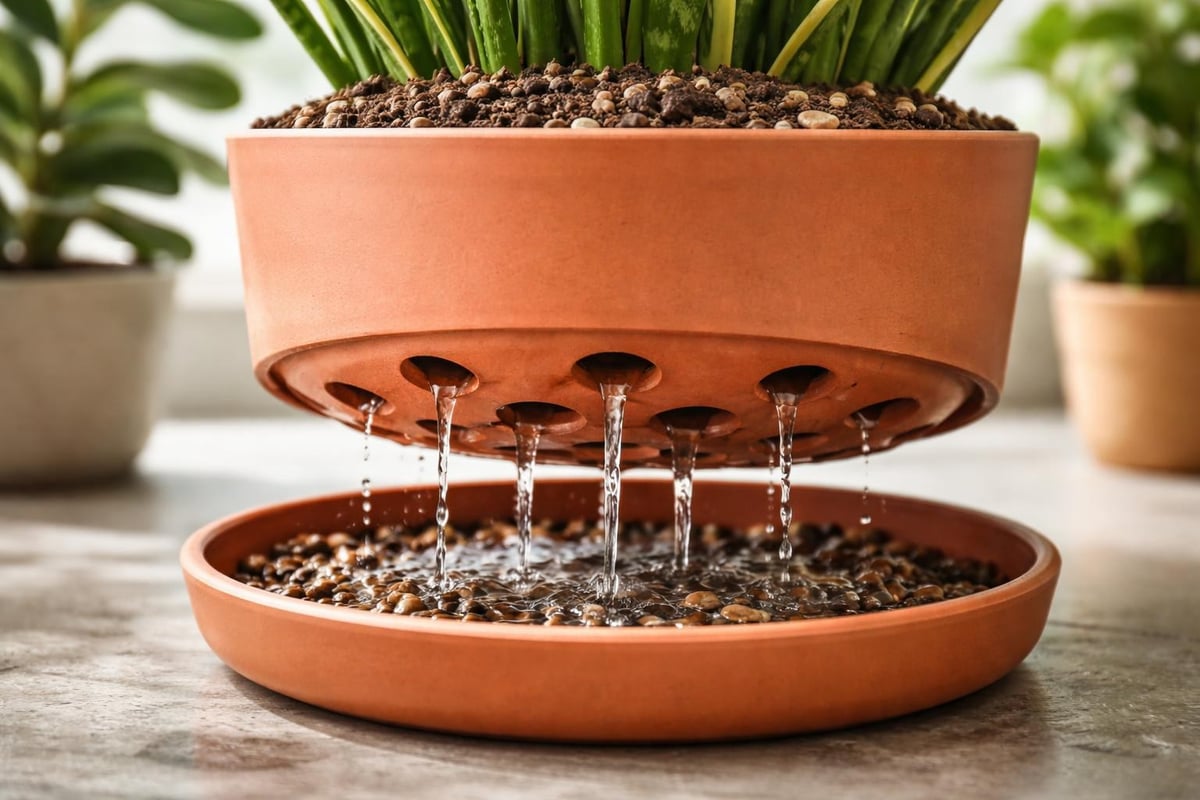
Some designers choose decorative pots without drainage as cache pots, housing functional growing containers inside. This approach separates aesthetic considerations from practical plant care requirements.
Double Potting Technique
The double pot method provides flexibility and protection for your floors. Place a slightly smaller growing pot with drainage inside a decorative cache pot without holes. This arrangement offers several advantages:
- Prevents water damage to flooring and furniture
- Allows easy plant rotation and replacement
- Simplifies cleaning and maintenance
- Enables seasonal decorative changes without repotting
When employing this technique, ensure adequate airflow between the two containers to prevent moisture accumulation and mold growth.
Design Trends Shaping 2026
Contemporary interior design increasingly emphasizes biophilic elements, with large indoor plant pots serving as focal points rather than afterthoughts. Understanding current trends helps you select containers that remain stylish for years.
Minimalist and Organic Forms
Clean lines and organic shapes dominate the 2026 design landscape. Cylindrical planters with subtle texture variations create visual interest without overwhelming surrounding decor. Neutral color palettes in whites, grays, and earth tones provide versatility across changing interior trends.
Stylish indoor plant pots now emphasize craftsmanship and tactile qualities. Hand-finished surfaces, subtle irregularities, and artisanal touches add character that mass-produced items lack.
Statement Pieces and Bold Colors
Conversely, some designers embrace large planters as statement pieces that anchor entire rooms. Oversized containers in unexpected colors or dramatic finishes create instant focal points. This approach works particularly well in minimalist spaces where a single bold element provides necessary visual weight.
Popular statement approaches include:
- Metallic finishes in brass, copper, or bronze
- Deep jewel tones like emerald, sapphire, or amethyst
- Textured surfaces mimicking natural stone or concrete
- Geometric patterns and angular silhouettes
Balance proves essential when incorporating statement planters. Pair bold containers with architectural plants that complement rather than compete with the pot's visual impact.
Sustainable and Eco-Conscious Materials
Environmental awareness drives material innovation in 2026. Manufacturers increasingly offer large indoor plant pots crafted from recycled, reclaimed, or sustainably sourced materials. Options include:
| Material Type | Source | Environmental Benefit |
|---|---|---|
| Recycled plastic | Post-consumer waste | Diverts landfill material |
| Reclaimed wood | Salvaged timber | Preserves forests |
| Bio-composite | Plant-based fibers | Biodegradable options |
| Recycled metal | Industrial reclamation | Reduces mining impact |
Eco-conscious consumers appreciate brands that prioritize sustainability without sacrificing aesthetics or functionality. These materials often carry premium pricing but offer the satisfaction of environmentally responsible choices.
Matching Pots to Plant Species
Different plant families thrive in containers that accommodate their specific growth patterns and care requirements. Selecting plants that match environmental conditions proves equally important as choosing appropriate pots.
Tropical Foliage Plants
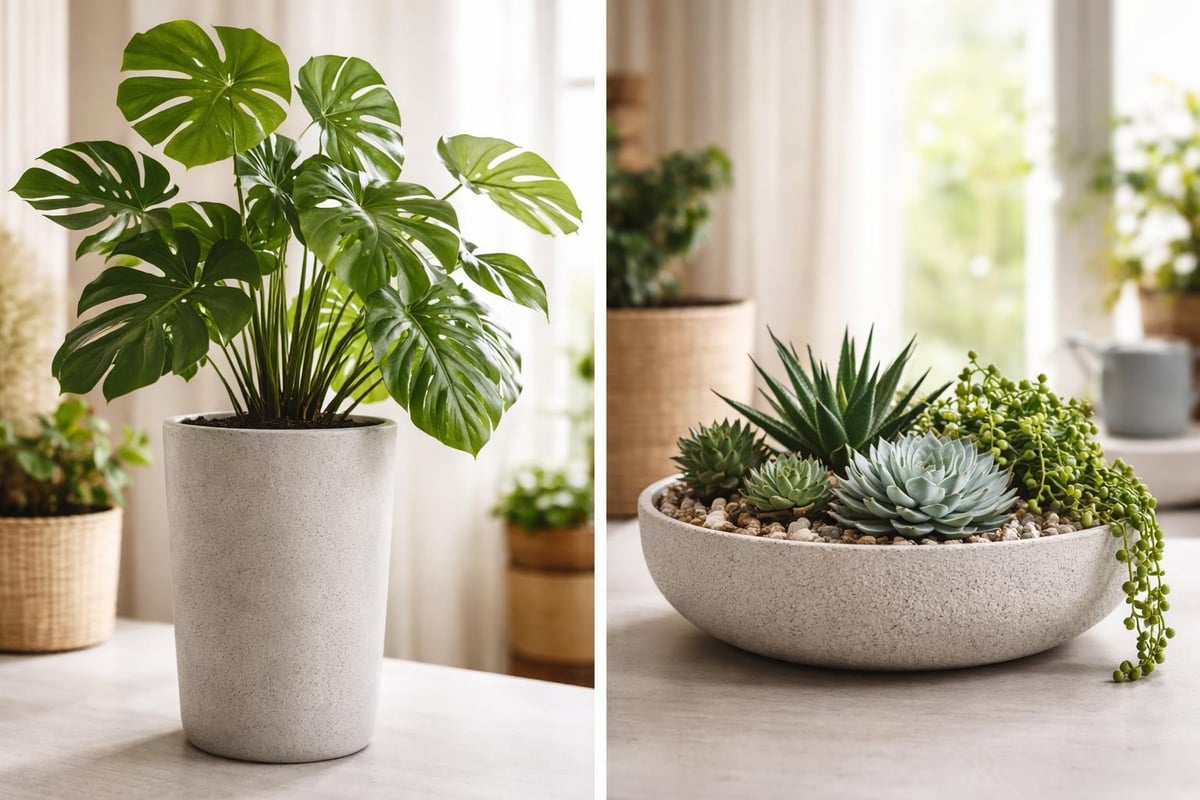
Large-leafed tropical specimens like monstera, bird of paradise, or fiddle leaf figs require substantial containers that support extensive root systems. These plants typically prefer:
- Deep pots that accommodate vertical root growth
- Materials that retain consistent moisture
- Neutral colors that highlight dramatic foliage
- Stable bases that prevent tipping from top-heavy growth
Many tropical species benefit from air-purifying properties, making them excellent choices for living spaces where large planters create maximum impact.
Succulents and Drought-Tolerant Species
While typically associated with smaller containers, certain succulents and cacti achieve impressive sizes requiring large indoor plant pots. These specimens need containers that prioritize drainage and prevent moisture retention:
- Wide, shallow pots that accommodate spreading root systems
- Porous materials like terra cotta that encourage drying
- Minimal depth to prevent waterlogging in lower soil layers
- Gritty, well-draining soil mixtures
For beginners exploring easy-to-care indoor plants, large succulents offer dramatic presence with minimal maintenance demands.
Tree-Form Plants and Floor Specimens
Indoor trees like rubber plants, dracaena, or larger palm varieties require the most substantial containers. These impressive specimens demand pots that provide:
- Sufficient weight for stability as plants mature
- Adequate depth for extensive root development
- Professional appearance befitting statement plants
- Mobility solutions like wheeled bases for repositioning
Consider future growth when investing in containers for tree-form plants. Quality large pots represent significant purchases that should accommodate several years of growth before requiring upgrades.
Practical Considerations for Large Planters
Beyond aesthetics and plant health, practical factors influence long-term satisfaction with large indoor plant pots. Address these considerations during the selection process to avoid frustration later.
Weight and Mobility Challenges
Large planters filled with soil and established plants can weigh hundreds of pounds. This reality creates challenges for:
- Initial placement and positioning
- Seasonal rearrangement or cleaning
- Accessing hard-to-reach areas for maintenance
- Moving when relocating or redecorating
Solutions include selecting wheeled plant stands, using lightweight soil alternatives, or committing to permanent positioning. Some homeowners invest in professional plant moving services for particularly large or valuable specimens.
Budget and Investment Quality
Large indoor plant pots span tremendous price ranges from budget-friendly plastic options to investment-grade artisan pieces. Determine appropriate spending by considering:
Budget factors:
- Expected lifespan and durability needs
- Visual importance in your space
- Number of large pots required
- Available alternatives and DIY options
Premium containers often justify higher costs through superior construction, timeless design, and materials that improve with age. However, well-chosen budget options can deliver excellent results when selected thoughtfully.
Cleaning and Maintenance Requirements
Different materials demand varying maintenance levels. Glazed ceramic wipes clean easily while unglazed terra cotta accumulates mineral deposits requiring periodic scrubbing. Consider your willingness to perform regular maintenance when selecting materials.
Large pots also accumulate dust and debris on outer surfaces. Textured finishes hide minor soiling better than smooth, glossy surfaces but prove more challenging to deep clean. Match finish choices to your maintenance preferences and available time.
Sourcing Quality Large Indoor Plant Pots
Finding the perfect containers requires knowing where to look and what to prioritize. Reputable vendors ensure quality construction and appropriate plant pairing when purchasing complete plant and pot combinations.
Specialty Plant Retailers
Dedicated plant shops often curate container selections that complement their plant inventory. These retailers understand the relationship between specific plants and appropriate containers, offering expert guidance during selection.
Benefits of specialty retailers include:
- Expert staff who provide personalized recommendations
- Coordinated aesthetics between plants and containers
- Quality assurance through tested supplier relationships
- Unique options not available through mass retailers
Divine Roots exemplifies this approach, offering thoughtfully selected planters that complement their greenhouse-fresh plants, ensuring compatibility and success from the start.
Home Improvement and Garden Centers
Large chain retailers provide accessibility and competitive pricing for large indoor plant pots. While offering fewer unique design options, these sources excel in practical, functional containers at various price points.
Shop these retailers for:
- Basic terra cotta and plastic options in standard sizes
- Seasonal sales and clearance opportunities
- Immediate availability and take-home convenience
- Standard replacement pots for existing plants
Online Specialty Shops
E-commerce platforms expand access to contemporary designs and specialty materials unavailable locally. Online shopping offers unprecedented variety but requires careful attention to specifications, shipping costs, and return policies.
When purchasing online, prioritize sellers providing:
- Detailed measurements and capacity information
- Multiple high-quality product images
- Customer reviews with photos
- Clear return and damage policies
- Reasonable shipping rates for large items
Direct from Artisans
For truly unique large indoor plant pots, consider working directly with ceramic artists, woodworkers, or metal fabricators. Custom pieces ensure perfect integration with your space while supporting local craftsmanship.
This approach demands higher investment and longer lead times but delivers one-of-a-kind results impossible to replicate through commercial channels.
Integration with Interior Design
Large indoor plant pots function as furniture pieces that require thoughtful placement and styling. Consider how containers interact with surrounding elements to create cohesive, intentional spaces.
Color Coordination Strategies
Container colors should enhance rather than compete with both plant foliage and room aesthetics. Safe approaches include:
- Monochromatic schemes using varying shades of a single color
- Neutral bases that highlight colorful foliage or flowers
- Accent matching coordinating pots with existing decor elements
- Contrasting pops using bold containers as statement pieces
Test color interactions by placing sample pots in intended locations under various lighting conditions before committing to purchases.
Grouping and Arrangement Techniques
Multiple large planters create more visual impact than single specimens when arranged thoughtfully. Effective grouping principles include:
Height variation: Combine tall floor plants with medium specimens on stands
Container coordination: Unite different pot styles through shared color or material elements
Triangular arrangements: Position three planters of varying heights in triangular formation
Odd numbers: Group planters in odd-numbered clusters (3, 5, 7) for natural appeal
Avoid overly symmetrical arrangements that feel rigid or institutional. Slight irregularity creates more inviting, lived-in atmospheres.
Lighting and Placement Optimization
Large indoor plant pots and their inhabitants require appropriate light exposure for health and growth. Before finalizing container purchases, assess:
- Natural light availability and intensity throughout the day
- Artificial lighting supplementation needs
- Distance from windows and light sources
- Seasonal light variation impacts
Match plant selections to actual light conditions rather than aspirational situations. Even the most beautiful large indoor plant pots cannot compensate for fundamental light incompatibility between plants and placement locations.
Selecting appropriate large indoor plant pots involves balancing aesthetic preferences, practical requirements, and plant health considerations to create thriving interior landscapes. Whether you prioritize contemporary design, sustainable materials, or budget-friendly functionality, understanding these principles ensures successful outcomes that enhance your space for years to come. Divine Roots combines carefully selected plants with compatible planters, delivering complete solutions that take the guesswork out of creating beautiful, healthy indoor gardens. Explore their curated collection to find the perfect combination for transforming your interior spaces.
🌿 Related Reading
- Indoor Plants Complete Guide
- How to Repot a Houseplant
- How to Care for Peace Lily
- How to Care for Dracaena
- How to Care for Philodendron
About the author
Written and reviewed by Robert, Founder of Divine Roots — he grows, propagates and ships the plants we sell, and the care advice here reflects what actually works in our own greenhouse.
Frequently Asked Questions
What size pot should I use for a large indoor plant?
Choose a pot one to two inches wider in diameter than the current one, or two to three inches for very large specimens. Oversized pots hold excess wet soil around the roots and are one of the most common causes of root rot in big indoor plants.
Do large indoor plant pots need drainage holes?
Yes. Drainage is non-negotiable, especially in large pots where the soil volume stays wet far longer. If you love a decorative pot without holes, use it as a cachepot: keep the plant in a plastic nursery pot inside it and tip out excess water after watering.
Which material is best for big indoor pots?
Terracotta breathes and dries fast, which suits succulents, snake plants, and anyone prone to overwatering. Glazed ceramic and plastic hold moisture longer, better for thirsty tropicals. Fibreglass and resin are the practical choice for very large plants because they are light enough to move.
How do I make a large planter lighter?
Fill the bottom third with a lightweight filler such as upside-down nursery pots or foam blocks rather than gravel, then top with potting mix. Add a plant caddy with wheels before you fill it, because a fully planted large pot is nearly impossible to lift.
Should I put rocks in the bottom of a large pot?
No. Gravel at the base does not improve drainage; it raises the saturated zone in the soil and brings soggy conditions closer to the roots. Use a well-draining potting mix throughout and make sure the pot has open drainage holes instead.
How often should large indoor plants be repotted?
Most large plants need repotting every two to three years, and mature trees can go longer. Watch for roots circling the surface or escaping the drainage holes, water running straight through, and stalled growth. If moving up a size is impractical, just refresh the top few inches of soil.
Share