

Pet Friendly Outdoor Plants: Safe Garden Choices
Creating a beautiful outdoor space that's safe for your pets requires thoughtful plant selection and careful planning. As more homeowners recognize the importance of protecting their furry companions from toxic vegetation, the demand for pet friendly outdoor plants continues to grow. Whether you're designing a new garden or renovating an existing landscape, understanding which plants pose risks and which ones offer safe alternatives empowers you to create an environment where both your pets and your plants can thrive together harmoniously.
Understanding Pet Toxicity in Garden Plants
Not all plants affect pets equally, and the severity of reactions can range from mild digestive upset to life-threatening emergencies. Dogs and cats process plant compounds differently than humans, making certain botanical elements that seem harmless to us potentially dangerous to our four-legged friends.
Common Toxic Compounds in Outdoor Plants
Many popular ornamental plants contain alkaloids, glycosides, or other chemical compounds that protect them from predators in nature. Unfortunately, these same defense mechanisms can cause serious health issues when ingested by curious pets. Lilies, for example, are extremely toxic to cats and can cause kidney failure, while azaleas contain grayanotoxins that affect both dogs and cats.
The ASPCA provides comprehensive guidance on creating wildlife-friendly gardens while maintaining pet safety. Understanding these risks helps you make informed decisions when selecting plants for your outdoor spaces.
Symptoms of plant poisoning vary widely depending on the plant species and amount consumed:
- Vomiting and diarrhea
- Excessive drooling or foaming at the mouth
- Difficulty breathing
- Lethargy or weakness
- Seizures or tremors
- Changes in heart rate
Top Pet Friendly Outdoor Plants for Your Garden
Selecting safe vegetation doesn't mean sacrificing beauty or variety in your landscape design. Numerous attractive options exist that pose minimal risk to pets while providing color, texture, and interest throughout the growing season.
Flowering Perennials That Are Safe for Pets
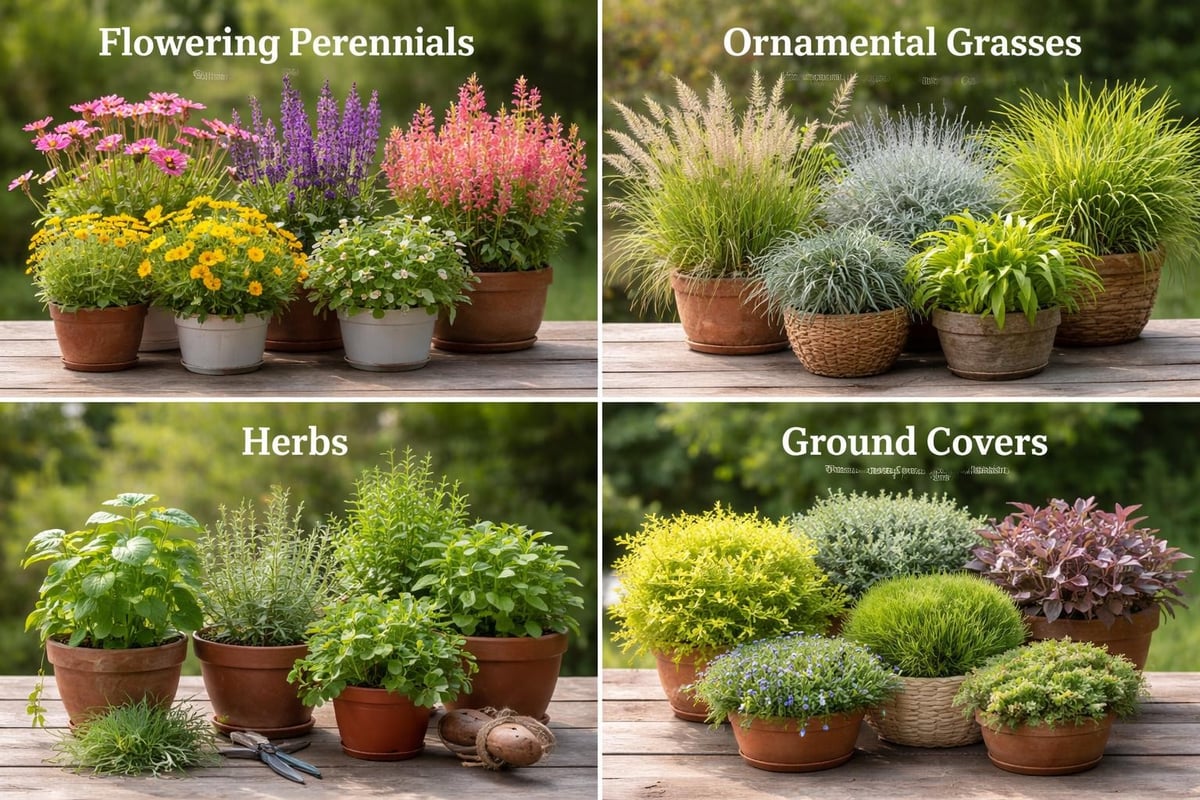
Marigolds (Calendula officinalis) bring vibrant orange and yellow blooms to your garden while remaining completely safe for pets. These cheerful flowers thrive in full sun and actually help repel certain garden pests, making them doubly beneficial for outdoor spaces.
Snapdragons offer vertical interest with their distinctive flower spikes available in numerous colors. These cool-season annuals tolerate light frost and provide safe exploration opportunities for pets who like to investigate garden beds.
Zinnias create bold displays of color from summer through fall. These easy-to-grow annuals withstand heat and humidity while posing no threat to curious pets who might nibble on their petals or leaves.
| Plant Name | Light Requirements | Water Needs | Pet Safety Rating |
|---|---|---|---|
| Marigolds | Full sun | Moderate | Completely safe |
| Snapdragons | Full to partial sun | Moderate | Non-toxic |
| Zinnias | Full sun | Moderate to low | Safe for all pets |
| Petunias | Full sun | Regular | Pet-friendly |
| Impatiens | Shade to partial shade | High | Non-toxic |
Ornamental Grasses and Foliage Plants
Blue fescue (Festuca glauca) adds striking blue-gray foliage to garden beds without posing risks to pets. This drought-tolerant grass maintains its color year-round in mild climates and requires minimal maintenance once established.
Bamboo varieties provide privacy screening and architectural interest. While some pet owners worry about bamboo safety, most species are non-toxic to dogs and cats. Choose clumping varieties to avoid invasive spreading.
The comprehensive guide from Berns Garden Center offers detailed information on identifying safe versus toxic outdoor plants for regional gardens.
For pet owners looking to expand their plant collection beyond outdoor spaces, Divine Roots offers an excellent selection of pet-friendly plants suitable for both indoor and patio environments.
Herbs That Double as Pet Safe Ground Covers
Thyme creates fragrant, low-growing carpets that withstand foot traffic while remaining safe for pets. This Mediterranean herb thrives in sunny, well-drained locations and releases pleasant aromas when brushed against.
Rosemary grows into attractive shrubs in warmer climates or can be grown as an annual in colder regions. Not only is rosemary safe for pets, but some pet owners actually use it in homemade pet care products.
Basil adds culinary value to your garden while posing zero risk to pets. Multiple varieties offer different flavors and growth habits, from compact bush basil to tall sweet basil.
Designing a Pet Friendly Outdoor Space
Creating a cohesive landscape that accommodates both plants and pets requires strategic planning. Consider your pet's habits, size, and activity level when designing garden layouts and selecting planting locations.
Zoning Your Garden for Safety and Function
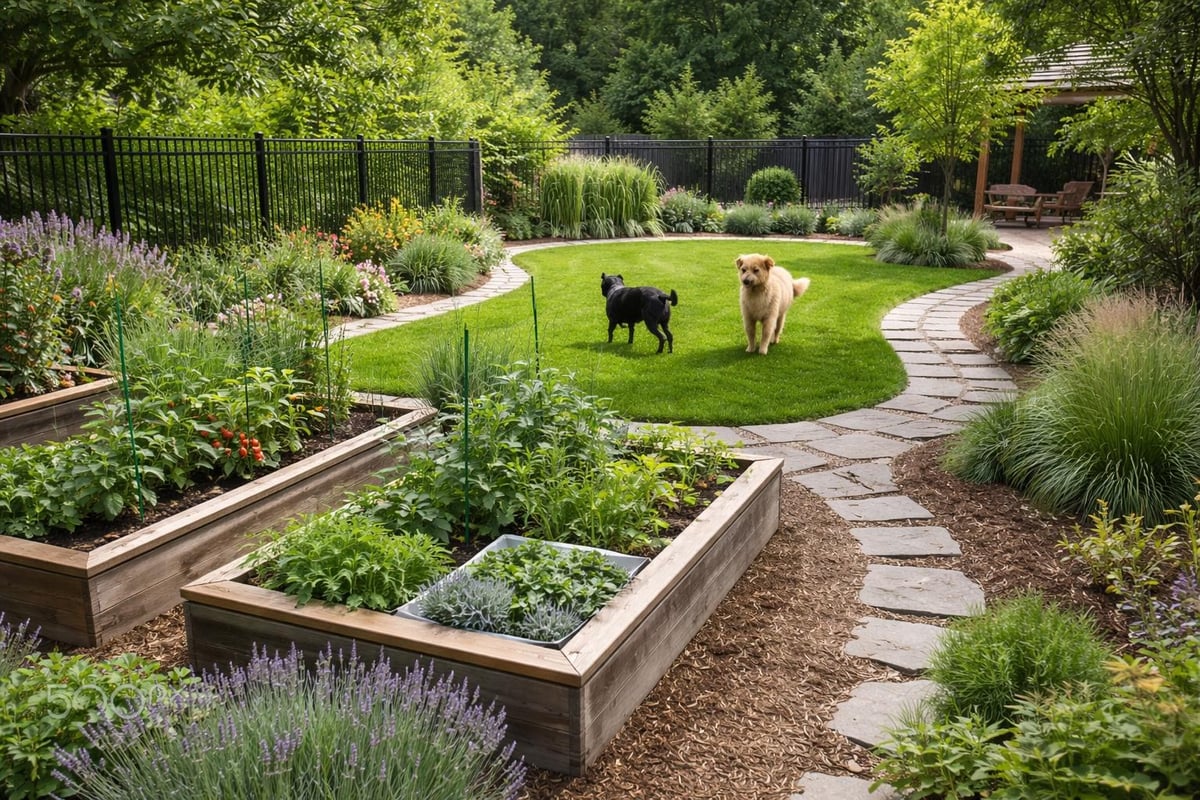
Designate specific areas for different purposes throughout your outdoor space. Create defined pathways using pet-safe materials like mulch or pavers to guide pets away from delicate plantings. Establish play zones where pets can run freely without damaging prized specimens.
Raised beds serve multiple functions in pet-friendly gardens. They protect plants from curious diggers while adding dimensional interest to flat landscapes. Fill raised beds with pet friendly outdoor plants that might otherwise get trampled in ground-level plantings.
Border plantings using sturdy, non-toxic shrubs help define spaces while withstanding occasional pet contact. Choose woody plants that bounce back from minor damage and avoid thorny varieties that could injure exploring animals.
Selecting the Right Plant Sizes and Structures
Consider mature plant sizes when planning your pet-friendly landscape. Tall plants placed strategically can create natural barriers without requiring fencing, while low-growing varieties work well in areas where pets frequently travel.
- Assess your available space and sun exposure patterns throughout the day
- Map out pet traffic patterns by observing where your animals naturally walk and play
- Choose appropriate plant heights based on your pet's size and jumping ability
- Plan for seasonal interest by selecting plants that look attractive year-round
- Allow adequate spacing between plants for air circulation and pet movement
The concept of petscaping from ND Design Services explores how thoughtful landscape design creates beautiful spaces that accommodate pet needs.
Maintenance Practices for Pet Safe Gardens
Maintaining a healthy garden while keeping pets safe extends beyond initial plant selection. Your ongoing care practices, product choices, and monitoring habits all contribute to creating a truly pet-friendly outdoor environment.
Organic and Pet Safe Garden Products
Chemical fertilizers, pesticides, and herbicides present significant risks to pets who walk through treated areas and later lick their paws. Switching to organic alternatives protects both your pets and the environment while still providing effective plant care.
Compost enriches soil naturally without introducing harmful chemicals. Create your own using kitchen scraps and yard waste, or purchase organic compost from reputable suppliers. Apply compost as a top dressing around pet friendly outdoor plants to improve soil structure and provide slow-release nutrients.
Natural pest control methods keep gardens healthy without toxic sprays. Beneficial insects like ladybugs and lacewings control aphid populations, while companion planting deters many common pests. Hand-picking larger insects works well for small garden spaces.
| Garden Task | Pet-Safe Option | Products to Avoid |
|---|---|---|
| Fertilizing | Compost, worm castings, fish emulsion | Synthetic chemical fertilizers |
| Pest control | Neem oil, insecticidal soap, beneficial insects | Organophosphate pesticides |
| Weed control | Hand pulling, mulching, corn gluten meal | Glyphosate-based herbicides |
| Fungus treatment | Baking soda solution, proper spacing | Systemic fungicides |
Creating Barriers Without Toxic Deterrents
Some gardeners use chemical repellents to keep pets away from certain plants, but these products often contain ingredients that cause irritation or illness. Instead, use physical barriers and training to establish boundaries.
Decorative fencing in low heights guides pets around sensitive areas without obstructing views. Choose materials that complement your landscape style, from traditional wooden pickets to modern metal panels.
Natural mulches like wood chips or shredded bark make digging less appealing while benefiting soil health. Avoid cocoa mulch, which contains theobromine (the same compound that makes chocolate toxic to pets) and can be fatal if consumed in large quantities.
Seasonal Considerations for Pet Friendly Gardens
Different seasons bring unique challenges and opportunities for maintaining pet-safe outdoor spaces. Planning for year-round interest while avoiding seasonal hazards ensures your garden remains both beautiful and safe throughout the year.
Spring and Summer Plant Choices
Warm-season annuals provide reliable color from late spring through fall. Petunias, impatiens, and begonias fill containers and borders with vibrant blooms while remaining safe for pets. For those interested in expanding their collection, Divine Roots' outdoor plants selection includes varieties suitable for transitioning between indoor and patio environments.
Sunflowers create dramatic focal points and provide seeds for wildlife once flowers fade. These tall annuals tolerate pet traffic around their sturdy stalks and bring cheerful energy to summer gardens.
The pet-friendly plant guide from Petmate offers additional suggestions for creating safe environments both indoors and out.
Fall and Winter Garden Safety
As gardens transition into dormancy, remove fallen leaves and plant debris that might harbor molds or fungi. Some decomposing plant material produces compounds that irritate pets, and standing water in leaf piles can become stagnant and unhealthy.
Ornamental kale and cabbage provide color during cool months while remaining completely safe for pets. These decorative vegetables withstand frost and even improve in appearance after cold temperatures arrive.
Pansies and violas offer cheerful faces throughout fall and winter in mild climates. These hardy flowers bounce back from freezing temperatures and provide safe color when most other plants have finished blooming.
Ground Covers and Lawn Alternatives
Traditional grass lawns require significant maintenance and often involve treatments that pose risks to pets. Exploring alternative ground covers using pet friendly outdoor plants reduces maintenance needs while creating unique landscape textures.
Safe Ground Cover Options
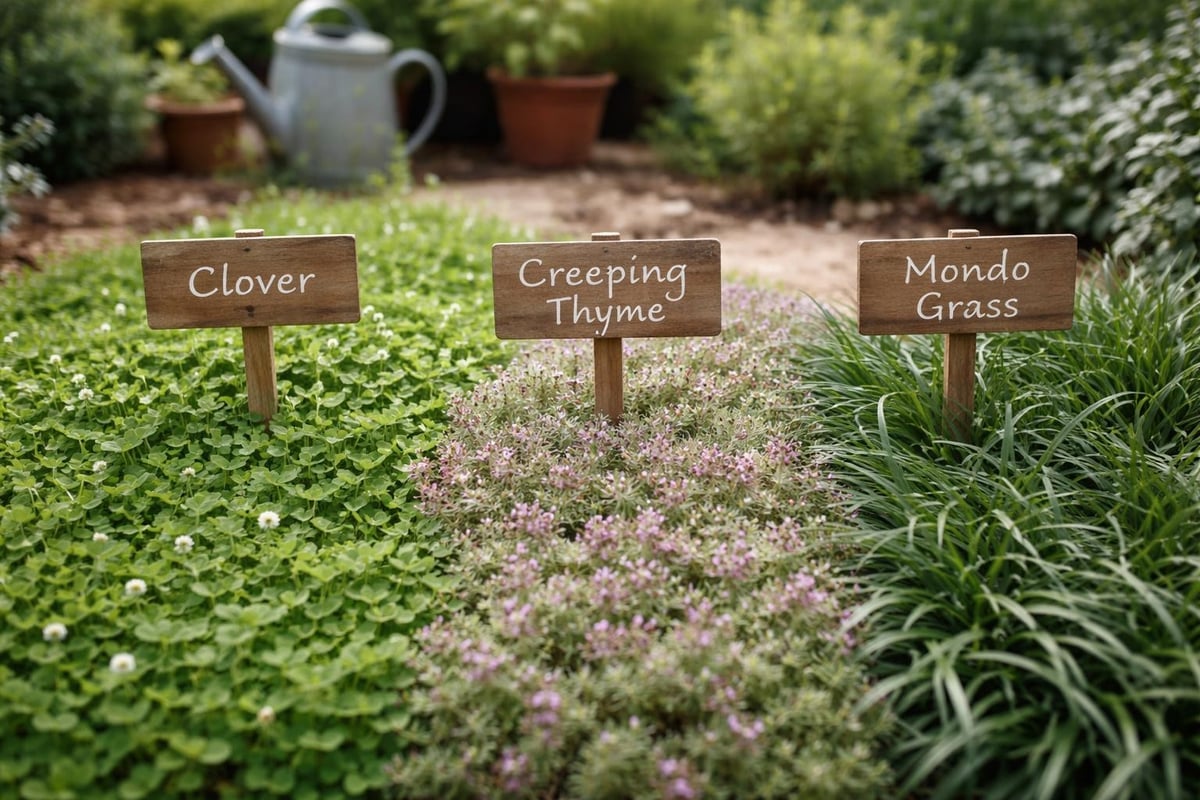
Clover creates soft, green carpets that withstand foot traffic while fixing nitrogen in soil. This low-growing legume stays green with minimal water and never needs mowing if you prefer a natural meadow look.
Creeping thyme spreads to form dense mats covered with tiny flowers in summer. This aromatic ground cover releases pleasant scents when walked upon and thrives in sunny locations with good drainage.
Mondo grass works well in shaded areas where traditional grass struggles. This grass-like perennial forms neat clumps that expand slowly and requires virtually no maintenance once established.
For pet owners seeking indoor options that complement their outdoor gardens, exploring easy-care plants from Divine Roots provides low-maintenance solutions for year-round greenery.
Trees and Shrubs for Pet Safe Landscapes
Larger woody plants provide structure, shade, and privacy in outdoor spaces. Selecting non-toxic trees and shrubs ensures these permanent landscape features contribute to pet safety rather than posing long-term risks.
Safe Deciduous Trees
Magnolias offer spectacular spring blooms and glossy foliage without threatening pet health. These trees range from compact varieties suitable for small yards to large specimens that become landscape focal points.
Crape myrtles provide summer flowers, attractive bark, and fall color. These adaptable trees tolerate heat and drought while remaining safe for pets who rest in their shade.
Birch trees create light, airy canopies with distinctive white bark. Fast-growing and non-toxic, birches work well as specimen trees or planted in small groves for dramatic effect.
Pet Friendly Shrubs
Roses surprise many pet owners by being non-toxic, though thorns present physical hazards. Choose thornless varieties if pets frequently explore planted areas, or position roses in locations with limited pet access.
Forsythia bursts into brilliant yellow blooms each spring, signaling winter's end. This vigorous shrub tolerates various soil conditions and pruning styles while posing no toxicity concerns.
Butterfly bush attracts pollinators while remaining safe for pets. These fast-growing shrubs produce fragrant flower spikes throughout summer and require minimal care beyond occasional pruning.
Vegetable Gardens and Edible Landscapes
Growing your own food provides fresh produce while creating engaging outdoor spaces. Most common vegetables are safe for pets, though some precautions ensure your edible garden remains truly pet-friendly.
Safe Vegetables for Pet Proximity
Leafy greens like lettuce, kale, and spinach pose no risks to pets. In fact, many pet owners occasionally share these nutrient-rich vegetables with their animals as healthy treats.
Root vegetables including carrots, sweet potatoes, and beets grow safely around pets. Protect young seedlings from digging, but mature plants withstand nearby pet activity.
Squash and cucumbers sprawl across garden beds with pet-safe foliage and fruits. These productive plants tolerate hot weather and provide abundant harvests throughout the growing season.
According to AARP's guide to pet-safe gardens, removing toxic plants and replacing them with safe alternatives represents one of the most important steps in creating secure outdoor spaces.
Herbs Safe for Pets and People
Most culinary herbs belong in the pet friendly outdoor plants category. Parsley, cilantro, dill, and oregano flavor your cooking while posing zero risks to curious pets.
Mint varieties grow vigorously and can become invasive if not contained. Plant mint in pots or use underground barriers to control spreading while enjoying its refreshing aroma.
Lavender creates beautiful borders with fragrant foliage and flowers. This Mediterranean herb attracts pollinators, repels certain pests, and remains completely safe for pets.
Container Gardens for Flexible Pet Safety
Containers offer maximum flexibility in creating pet-safe outdoor spaces. Moving plants as needed, elevating them out of reach, and creating defined growing areas all become easier when working with portable planters.
Advantages of Container Gardening with Pets
Elevated planters keep plants away from ground-level pet activity while adding vertical interest to patios and decks. Tall containers prevent digging while making plant care easier on your back.
Portable arrangements adapt to changing needs throughout the season. Move containers to optimize sun exposure, create temporary barriers, or protect plants during severe weather.
Controlled soil environments in containers reduce pest and disease issues that sometimes require treatments potentially harmful to pets. Fresh potting mix and regular monitoring keep container plants healthy without intervention.
| Container Type | Best Uses | Pet Safety Features |
|---|---|---|
| Raised planters | Vegetables, herbs, flowers | Elevated to discourage digging |
| Hanging baskets | Trailing plants, flowers | Completely out of reach |
| Window boxes | Herbs, small flowers | Mounted away from ground traffic |
| Large pots | Shrubs, small trees | Stable, difficult to tip |
Water Features and Pet Considerations
Many pet owners incorporate water elements into their gardens without realizing certain aquatic plants pose toxicity risks. Creating pet-safe water features requires careful plant selection and design considerations.
Safe Aquatic and Marginal Plants
Water lettuce floats on pond surfaces without threatening pet health. This decorative plant helps filter water while providing visual interest.
Papyrus grows along pond edges with distinctive umbrella-like foliage. This ornamental grass thrives in constantly moist soil and creates architectural accents.
Canna lilies tolerate wet conditions despite their name including "lily." Unlike true lilies, cannas are safe for pets and produce tropical-looking flowers in various colors.
Ensure water features have gradual slopes or exit points allowing pets to safely climb out if they fall in. Avoid deep, steep-sided ponds that could trap animals, and consider installing protective fencing around larger water features.
Monitoring and Ongoing Safety
Even with careful plant selection, monitoring your pets' behavior in the garden helps prevent issues before they become serious. Understanding warning signs and maintaining awareness keeps your outdoor space safe year-round.
Teaching Pets Garden Boundaries
Positive reinforcement training helps pets learn which areas are off-limits. Reward good behavior when pets avoid planted areas and redirect them when they show interest in restricted zones.
Provide designated digging areas for dogs who love to excavate. Fill a specific spot with soft soil or sand and encourage digging in that location rather than throughout the entire garden.
Create engaging pet spaces within your landscape so animals have their own areas to explore and enjoy. Pet-friendly paths, shaded rest areas, and interesting textures keep pets occupied without threatening plants.
Resources like Kerby's Nursery dog-friendly plant guide provide verified safe plant lists for concerned pet owners.
Regular Garden Inspections
Walk through your garden regularly looking for hazards like toxic plants growing from bird-dropped seeds, mushrooms sprouting after rain, or damaged plants that might expose pets to irritating sap.
Identify volunteer plants immediately and remove anything you can't positively identify as safe. Weeds often spring up unexpectedly, and some common invasive plants pose serious toxicity risks.
Monitor plant health to avoid using treatments that might harm pets. Strong, vigorous plants resist pests and diseases naturally, reducing the need for interventions.
Divine Roots provides educational resources through their plant care blog that help gardeners maintain healthy plants using safe practices.
Transitioning Outdoor Plants Indoors
As seasons change, many gardeners bring outdoor plants inside to overwinter or simply to enjoy year-round. This practice works particularly well with pet friendly outdoor plants that adapt to indoor conditions.
Best Candidates for Indoor Transition
Herbs adapt easily to indoor growing conditions with adequate light. Rosemary, basil, and parsley continue producing flavorful leaves throughout winter when brought inside before frost.
Begonias transition smoothly between outdoor and indoor environments. These versatile plants offer attractive foliage and flowers while remaining safe for pets in any location.
Swedish ivy thrives both outdoors during warm months and indoors year-round. This trailing plant creates beautiful displays in hanging baskets while posing no risks to curious pets. Consider Divine Roots' Swedish ivy as a reliable option for dual-purpose growing.
Before bringing plants indoors, inspect thoroughly for pests that might have moved in during the outdoor growing season. Isolate new indoor arrivals for a few weeks to prevent introducing problems to your existing houseplant collection.
Creating beautiful outdoor spaces with pet friendly outdoor plants allows you to enjoy gardening without compromising your pets' safety. By selecting non-toxic varieties, implementing thoughtful design strategies, and maintaining awareness of potential hazards, you can cultivate a landscape where both plants and pets flourish together. Whether you're filling containers for a small patio or planning an extensive garden makeover, Divine Roots offers carefully curated plant selections shipped directly from their greenhouse to help you create safe, thriving spaces for your entire family.
🌿 Related Reading
- Pet Safe Houseplants
- Indoor Plants Complete Guide
- How to Care for Peace Lily
- How to Care for Spider Plant
- How to Care for Boston Fern
About the author
Written and reviewed by Robert, Founder of Divine Roots — he grows, propagates and ships the plants we sell, and the care advice here reflects what actually works in our own greenhouse.
Frequently Asked Questions
What outdoor plants are safest for dogs?
Marigolds, snapdragons, sunflowers, camellias, roses, zinnias, and most herbs such as basil, thyme, and rosemary are safe around dogs. Ornamental grasses and creeping thyme are good ground covers for dog-heavy yards because they tolerate traffic and are non-toxic if nibbled.
Which common garden plants are most dangerous to pets?
Sago palm, oleander, foxglove, lily of the valley, azalea, yew, and true lilies are the most dangerous, and several can be fatal in small amounts. Daffodil and tulip bulbs are also highly toxic, which matters because dogs dig them up and chew them.
Are all lilies poisonous to cats?
True lilies (Lilium and Hemerocallis) are severely toxic to cats, and even pollen or vase water can cause fatal kidney failure. Peace lily and calla lily are different plants and cause mouth irritation rather than kidney damage, but neither belongs in a cat household.
How do I stop my dog eating garden plants?
Give the dog a designated digging or chewing area, plant sturdy species behind low borders, and use scent deterrents such as citrus peel. Most plant chewing is boredom, so more exercise and enrichment usually cuts it faster than fencing off individual beds.
Is mulch safe for pets?
Most bark and straw mulches are fine, but cocoa bean mulch contains theobromine and is toxic to dogs, exactly like chocolate. Choose pine, cedar, or hardwood mulch instead, and avoid dyed products if your dog is a determined chewer of loose garden material.
What should I do if my pet eats a toxic plant?
Call your vet or a pet poison helpline immediately with the plant name, and take a sample or photo. Do not wait for symptoms and do not induce vomiting unless told to. Fast identification is the single biggest factor in a good outcome.
Share