

Pink and Green Houseplant: Top Varieties & Care Guide
The world of indoor gardening has witnessed a remarkable surge in colorful foliage plants, and few combinations captivate plant enthusiasts quite like the pink and green houseplant. These botanical treasures bring warmth, personality, and visual interest to interior spaces without requiring the maintenance demands of flowering plants. With their naturally occurring variegation patterns and stunning color contrasts, pink and green varieties have become essential elements in contemporary plant collections. Whether you're designing a minimalist workspace or creating a lush indoor jungle, understanding how to select and care for these colorful specimens ensures long-lasting beauty and healthy growth throughout the year.
Understanding Pink and Green Foliage Colors
The captivating pink hues in houseplant foliage result from anthocyanins, pigments that develop alongside chlorophyll in plant tissues. Unlike flowers that produce pink coloration for pollinator attraction, pink and green houseplant varieties display these colors permanently in their leaves as a genetic trait.
The Science Behind Variegation
Variegation occurs when certain leaf cells lack chlorophyll or produce alternative pigments, creating distinct color patterns. Pink variegation specifically develops when plants produce anthocyanins in areas with reduced chlorophyll production, resulting in the characteristic pink tones that make these plants so desirable.
Several factors influence the intensity of pink coloration:
- Light exposure: Brighter indirect light typically enhances pink pigmentation
- Temperature fluctuations: Cooler temperatures can intensify anthocyanin production
- Nutrient availability: Balanced fertilization supports vibrant coloration
- Genetic stability: Some varieties maintain pink variegation more reliably than others
- Plant maturity: Younger leaves often display more intense coloration
Understanding these mechanisms helps plant owners provide optimal conditions for maintaining the striking appearance that defines each pink and green houseplant variety.
Top Pink and Green Houseplant Varieties
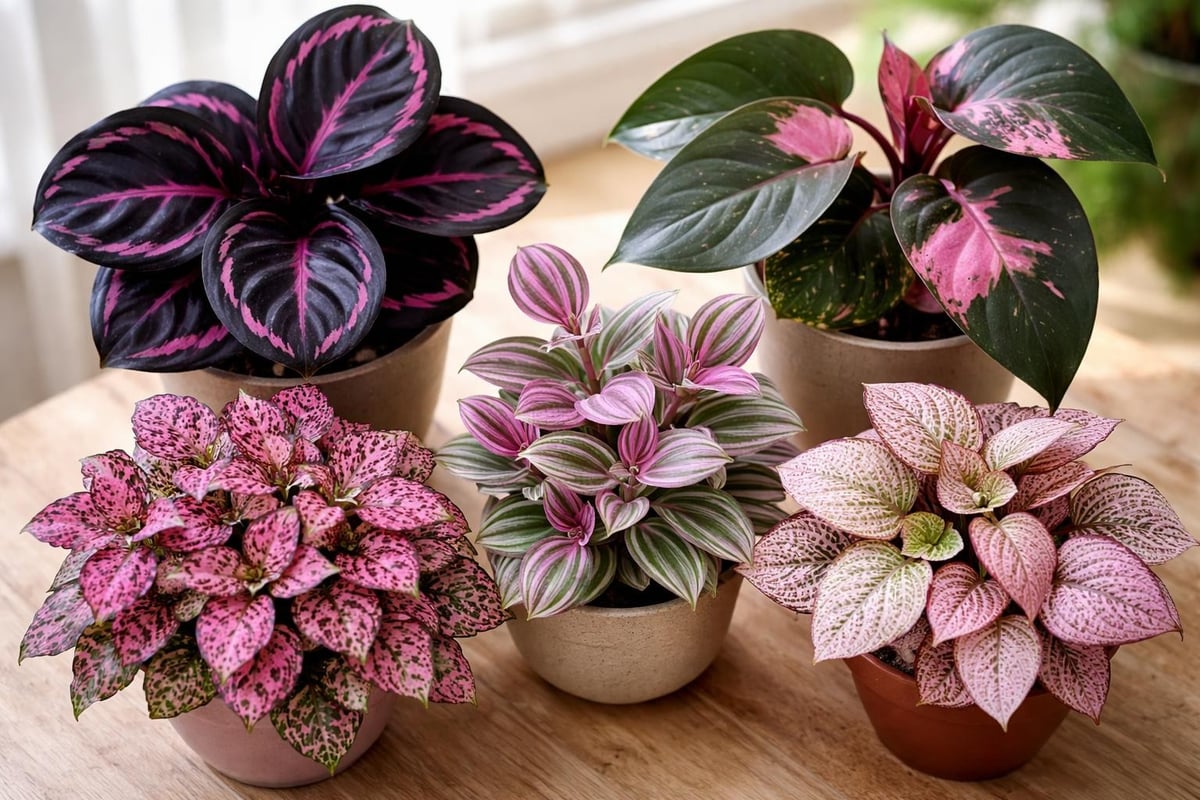
Selecting the right variety depends on your experience level, available light conditions, and aesthetic preferences. The following options represent the most reliable and visually striking choices available in 2026.
Calathea Roseopicta 'Dottie'
This stunning member of the prayer plant family features deep green leaves with vibrant pink outlines and delicate pink veining. The Calathea 'Dottie' offers dramatic visual impact while remaining more forgiving than other Calathea varieties. According to green and pink houseplant care experts, this variety ranks among the most reliable pink and green houseplant options for intermediate growers.
Care requirements:
- Bright, indirect light (no direct sun)
- Consistent moisture without waterlogging
- High humidity levels (60-70%)
- Temperatures between 65-80°F
Pink Princess Philodendron
The Pink Princess Philodendron stands as perhaps the most coveted pink and green houseplant in contemporary collections. Its deep green leaves feature random splashes of bubblegum pink variegation, with each leaf presenting a unique pattern. This climbing variety requires support structures as it matures and demands careful attention to maintain its pink variegation.
| Characteristic | Requirement |
|---|---|
| Light | Bright, indirect (6-8 hours) |
| Water | When top 2 inches dry |
| Humidity | 50-60% minimum |
| Growth Rate | Moderate to fast |
| Toxicity | Toxic to pets |
Polka Dot Plant (Hypoestes phyllostachya)
The Polka Dot Plant provides an accessible entry point for beginners seeking colorful foliage. Available in numerous cultivars, pink-speckled varieties feature bright green leaves adorned with pink spots ranging from delicate freckles to bold splashes. This compact grower works beautifully in terrariums, hanging baskets, or as desktop companions.
Tradescantia Nanouk
This relatively recent introduction has quickly become a favorite among plant enthusiasts. Tradescantia Nanouk displays thick, fuzzy leaves in stunning combinations of green, cream, and various pink shades. Its trailing growth habit makes it perfect for elevated planters and hanging displays.
Benefits for beginners:
- Extremely forgiving with occasional neglect
- Fast growth provides quick satisfaction
- Easy propagation from stem cuttings
- Adapts to various light conditions
Fittonia 'Pink Angel'
Fittonia varieties, commonly called nerve plants, feature intricate vein patterns that create stunning visual texture. The 'Pink Angel' cultivar showcases deep green leaves with bright pink veining that resembles delicate lace. These compact plants thrive in terrariums and low-light conditions, making them ideal for spaces without abundant natural light.
Essential Care Guidelines for Vibrant Coloration
Maintaining the striking pink coloration that defines these varieties requires understanding their specific needs. While each pink and green houseplant has unique requirements, several universal principles ensure healthy growth and vibrant foliage.
Optimizing Light Conditions
Light intensity directly impacts pink pigmentation in variegated plants. Insufficient light causes plants to produce more chlorophyll, reducing pink coloration, while excessive direct sun can scorch delicate tissues.
Ideal lighting strategies:
- Position plants near east or north-facing windows for gentle morning or filtered light
- Use sheer curtains to diffuse intense afternoon sun
- Maintain consistent photoperiods (12-14 hours) during winter months
- Rotate plants weekly to ensure even light exposure
- Monitor leaf color changes as indicators of light adequacy
For those exploring easy-care plant options, understanding light requirements prevents common frustrations and supports long-term success with colorful varieties.
Watering and Humidity Management
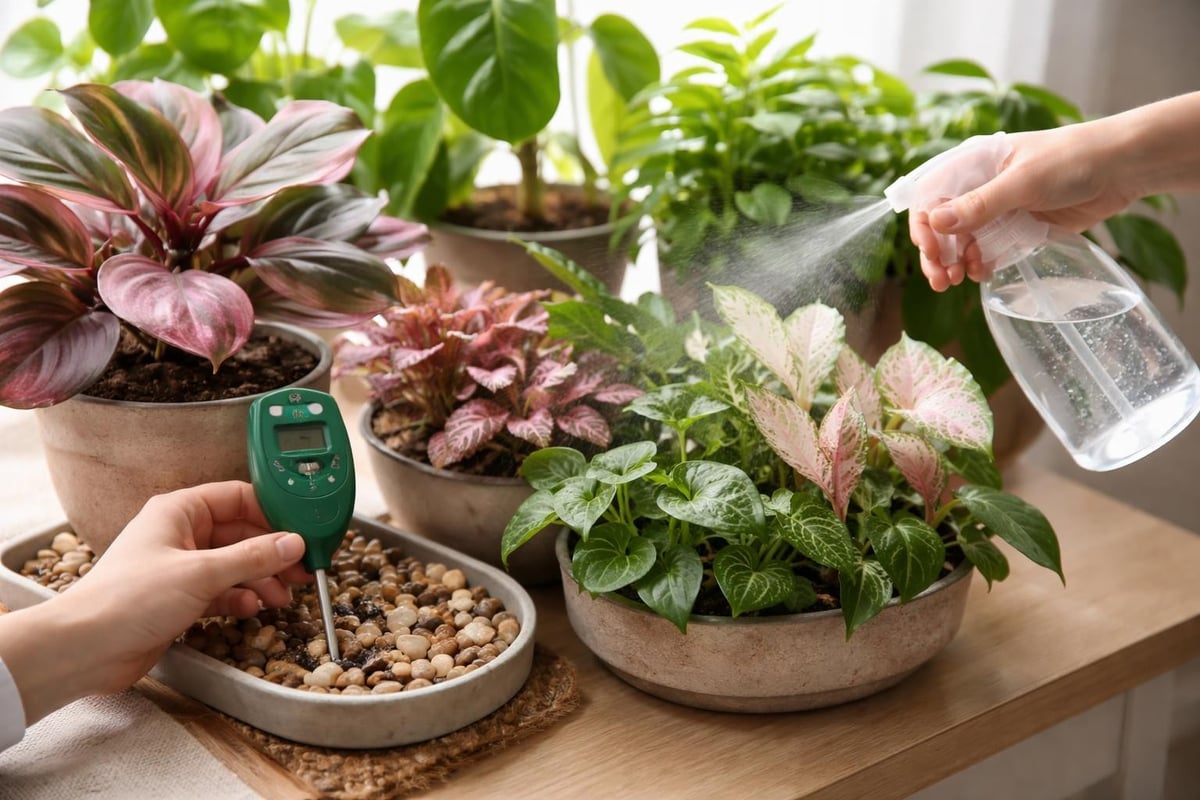
Most pink and green houseplant varieties originate from tropical environments where consistent moisture and humidity prevail. Replicating these conditions without creating waterlogged soil requires attention and adjustment based on seasonal changes.
| Season | Watering Frequency | Humidity Target |
|---|---|---|
| Spring/Summer | Every 5-7 days | 60-70% |
| Fall | Every 7-10 days | 55-65% |
| Winter | Every 10-14 days | 50-60% |
Humidity enhancement methods:
- Group plants together to create microenvironments
- Use pebble trays filled with water beneath containers
- Run cool-mist humidifiers during heating season
- Avoid misting varieties prone to fungal issues
The plant care blog offers detailed guidance on recognizing moisture-related stress signals before damage occurs.
Soil and Fertilization
Well-draining growing media prevents root rot while supporting nutrient uptake necessary for vibrant coloration. Most pink and green houseplant varieties thrive in mixtures containing:
- 40% peat moss or coco coir
- 30% perlite or pumice
- 20% orchid bark
- 10% worm castings or compost
Fertilization schedule: Apply balanced, water-soluble fertilizer (10-10-10 or 20-20-20) at half strength every 4-6 weeks during active growth periods. Reduce frequency to every 8-10 weeks during winter dormancy.
Propagation and Maintenance Techniques
Expanding your collection through propagation provides rewarding opportunities to share plants with friends while ensuring genetic preservation of particularly vibrant specimens. Different varieties require specific approaches for successful reproduction.
Stem Cutting Propagation
Tradescantia, Philodendron, and similar vining varieties propagate readily through stem cuttings. Select stems with at least two nodes and vibrant pink variegation for best results.
Step-by-step process:
- Make clean cuts below nodes using sterilized scissors
- Remove lower leaves, keeping 2-3 at the top
- Place cuttings in water or moist propagation medium
- Maintain high humidity using plastic covers or propagation boxes
- Wait 2-4 weeks for root development before transplanting
- Gradually acclimate new plants to standard conditions
Division Method
Calathea and Fittonia varieties propagate best through division during repotting. This method creates multiple established plants immediately rather than requiring rooting periods.
Spring represents the optimal season for division when plants enter active growth phases. Carefully separate root systems, ensuring each section contains healthy roots and several leaves. Plant divisions in appropriately sized containers to prevent overwatering issues.
Maintaining Variegation Stability
Some pink and green houseplant varieties occasionally produce reverted growth-fully green leaves without pink coloration. These sections should be pruned immediately, as they grow more vigorously than variegated portions and will eventually dominate the plant.
Pruning guidelines:
- Remove all-green growth at the base to prevent spreading
- Trim leggy stems to encourage bushier growth
- Cut just above leaf nodes to promote branching
- Sterilize tools between plants to prevent disease transmission
Troubleshooting Common Issues
Even with proper care, pink and green houseplant varieties occasionally encounter problems that affect their appearance and health. Early recognition and appropriate intervention prevent minor issues from becoming serious threats.
Fading Pink Coloration
When pink pigmentation fades to pale cream or white, the plant typically signals inadequate light exposure. Gradually increase light intensity over several weeks to avoid shock. If moving plants isn't feasible, supplement with full-spectrum grow lights positioned 12-18 inches above foliage.
However, excessive light can also bleach pink areas, causing them to appear washed out or develop brown patches. Understanding houseplant health helps distinguish between different stress responses.
Pest Management
Pink and green houseplant varieties attract common indoor pests including spider mites, mealybugs, and aphids. Their colorful foliage makes pest damage particularly noticeable and visually disruptive.
Prevention strategies:
- Inspect new plants thoroughly before introducing them to collections
- Maintain appropriate humidity to deter spider mites
- Wipe leaves monthly with damp cloths to remove dust and eggs
- Quarantine affected plants immediately upon detection
For existing infestations, neem oil solutions or insecticidal soap provide effective, plant-safe treatment options. Apply treatments in the evening to prevent leaf burn and repeat weekly until pests are eliminated.
Leaf Damage and Discoloration
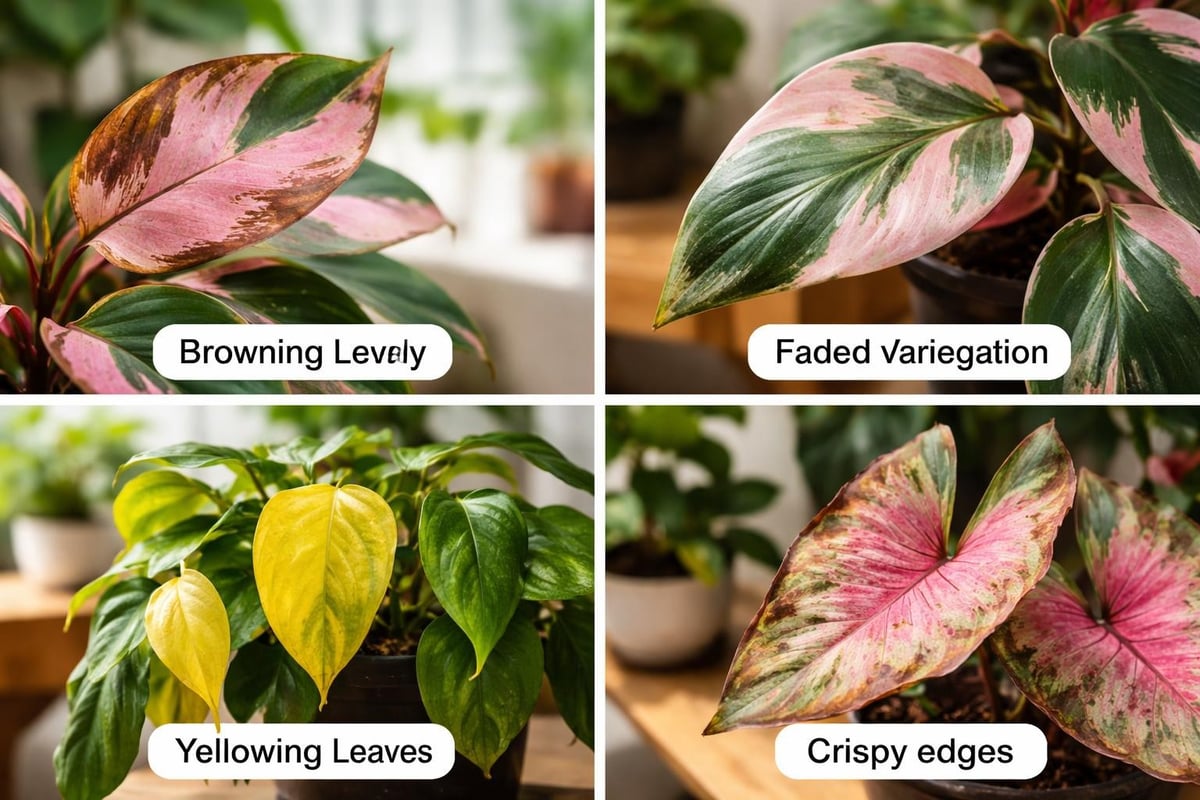
Brown leaf edges typically indicate humidity deficiency or salt accumulation from hard water or excessive fertilization. Switching to filtered or distilled water resolves many leaf-tip issues, particularly in sensitive varieties like Calathea.
Yellowing leaves signal various potential problems:
- Lower leaf yellowing: Natural aging or slight underwatering
- Widespread yellowing: Overwatering or poor drainage
- Yellow leaves with brown spots: Fungal or bacterial infection
- Pale yellow new growth: Nutrient deficiency
The leaf spot treatment guide provides detailed diagnostic information for distinguishing between different causes of discoloration.
Designing with Pink and Green Foliage
Beyond their individual beauty, pink and green houseplant varieties contribute significantly to interior design schemes. Their unique coloration creates focal points and adds warmth to spaces dominated by neutral tones or cool colors.
Color Combination Strategies
Pink foliage pairs beautifully with:
- Deep greens: Creates depth and prevents visual overwhelm
- White or cream: Enhances the softness of pink tones
- Gold or brass: Adds sophistication and warmth
- Natural wood: Complements tropical origins
- Charcoal or black: Provides dramatic contrast
When creating indoor gardens in small spaces, combining multiple pink and green houseplant varieties at different heights creates visual interest without requiring extensive square footage.
Container Selection
Planter choices significantly impact how pink variegation appears in different settings. Neutral containers (white, cream, gray, terracotta) allow foliage colors to dominate, while colored planters create either complementary or contrasting effects.
| Planter Color | Visual Effect | Best For |
|---|---|---|
| White/Cream | Clean, minimalist | Modern spaces |
| Terracotta | Natural, earthy | Bohemian styles |
| Black/Charcoal | Dramatic contrast | Contemporary design |
| Blush/Pink | Harmonious blend | Romantic aesthetics |
| Metallics | Sophisticated accent | Luxury interiors |
Placement Considerations
Strategic positioning maximizes both aesthetic impact and plant health. Consider these placement principles:
High-traffic areas: Choose compact varieties like Polka Dot Plants that withstand occasional brushing
Low-light corners: Fittonia varieties adapt better than light-demanding Pink Princess Philodendrons
Bathrooms: Humidity-loving Calatheas thrive near showers and tubs
Offices: Tradescantia varieties tolerate fluorescent lighting and irregular watering
Bedrooms: Pet-friendly options ensure safety for households with curious animals
Seasonal Care Adjustments
Pink and green houseplant varieties require modified care routines as daylight hours and indoor conditions change throughout the year. Anticipating these needs prevents stress and maintains consistent coloration.
Spring and Summer Care
Active growth periods demand increased attention to watering, fertilization, and grooming. Longer days naturally enhance pink pigmentation in most varieties, making this ideal timing for propagation projects.
Seasonal priorities:
- Increase watering frequency as temperatures rise
- Resume regular fertilization schedules
- Prune leggy growth to encourage bushiness
- Repot root-bound specimens
- Monitor for pest activity as growth accelerates
Fall and Winter Adjustments
Reduced light and lower humidity levels during heating season challenge tropical pink and green houseplant varieties. Many species enter semi-dormant states, requiring less water and no fertilization.
Winter care modifications:
- Reduce watering frequency by 30-50%
- Discontinue fertilization from November through February
- Increase humidity through mechanical means
- Move plants closer to windows to maximize available light
- Avoid temperature extremes near heating vents or drafty windows
Plants adapted to indoor conditions year-round maintain better color stability than those experiencing dramatic seasonal changes. The comprehensive plant care resources provide month-by-month guidance for maintaining optimal conditions.
Advanced Growing Techniques
Experienced plant enthusiasts can employ specialized methods to enhance pink coloration and overall vigor in their collections. These techniques require additional investment and attention but produce exceptional results.
Supplemental Lighting Systems
Full-spectrum LED grow lights compensate for insufficient natural light while promoting intense pink variegation. Position lights 12-18 inches above foliage and maintain 12-14 hour photoperiods for tropical varieties.
LED advantages over traditional grow lights:
- Lower heat production reduces burn risk
- Energy efficiency supports sustainable growing
- Customizable spectrums optimize pigment production
- Longer lifespan reduces replacement frequency
Temperature Manipulation
Some pink and green houseplant varieties intensify coloration when exposed to cooler nighttime temperatures (60-65°F) while maintaining daytime warmth (75-80°F). This technique mimics natural tropical highlands where many varieties originate.
Implementation tips:
- Utilize programmable thermostats for consistent temperature cycling
- Avoid temperature swings exceeding 20 degrees
- Monitor plants for stress signals during adjustment periods
- Maintain higher humidity to offset temperature stress
Specialized Fertilizer Formulations
While balanced fertilizers support general health, specialized formulations can enhance specific characteristics. Some growers report improved pink variegation using fertilizers with slightly elevated phosphorus levels or those containing chelated micronutrients.
However, excessive fertilization causes more problems than benefits. Start with quarter-strength applications of any new fertilizer and gradually increase based on plant response. According to reliable pink houseplant resources, maintaining consistent, moderate fertilization produces better results than aggressive feeding schedules.
Pink and green houseplant varieties offer unmatched visual appeal and satisfaction for indoor gardeners at every skill level. By understanding their light requirements, humidity needs, and seasonal adjustments, you can maintain vibrant coloration and healthy growth year-round. Whether you're starting with forgiving varieties like Tradescantia Nanouk or challenging yourself with the coveted Pink Princess Philodendron, these colorful specimens transform living spaces into personalized botanical sanctuaries. Divine Roots delivers carefully selected, greenhouse-grown pink and green houseplant varieties directly to your door, ensuring you receive healthy specimens ready to thrive in your home.
🌿 Related Reading
Share