

Sort by:
30 products
30 products

The Angel Wing Begonia Torch (Begonia coccinea), commonly known for its striking torch-like appearance, is an elegant, eye-catching plant with its lush, waxy leaves and vibrant blooms. Native to the tropical regions of South and Central America, this plant is a true statement piece, perfect for brightening up any indoor space. The Angel Wing Begonia Torch stands out with its angular, angel-wing shaped leaves and clusters of beautiful, fiery red to orange flowers that bloom profusely during its growing season. Whether placed on a bright windowsill, a tabletop, or as part of a plant display, this plant adds an exotic flair and a touch of color wherever it's placed.
Ideal for plant enthusiasts and those looking to add vibrant color and texture to their home, this plant is perfect for bringing a tropical feel indoors. It thrives in warm, humid environments and adds both beauty and personality to any indoor garden. The Angel Wing Begonia Torch is an excellent choice for creating a dynamic focal point in your home, while also benefiting from its relatively low-maintenance care needs.
Angel Wing Begonia Torch: Benefits
1. Vibrant, Showy Blooms: Offers stunning, torch-like flowers in bright reds and oranges.
2. Low-maintenance: Ideal for both beginner and experienced gardeners.
3. Pet-friendly: Non-toxic to pets, making it a safe option for households with furry friends.
4. Tropical Foliage: Its unique angel-wing leaves bring texture and elegance to your home
5. Air-purifying: Helps improve indoor air quality, adding freshness to your living space.
Angel Wing Begonia Torch: Alternative Names
1. Begonia Coccinea
2. Cane Begonia
3. Torch Begonia
Angel Wing Begonia Torch Care Guide
Although the Angel Wing Begonia Torch is relatively easy to care for, following the basic care requirements will help your plant thrive and bloom beautifully.
Watering
The Angel Wing Begonia Torch enjoys consistently moist soil, but it's important to avoid waterlogging. Water your plant when the top inch of the soil feels dry to the touch. During its blooming period, it may require more frequent watering. However, always ensure that the plant's pot has good drainage to prevent root rot.
Light and Temperature
This begonia thrives in bright, indirect light. Too much direct sunlight can scorch its leaves, so it's best to place it in a location with filtered sunlight. Ideal temperatures for the Angel Wing Begonia Torch range from 65°F to 75°F (18°C to 24°C). Avoid placing it in areas that are too cold, especially in temperatures below 50°F (10°C).
Humidity
As a tropical plant, the Angel Wing Begonia Torch loves humidity. To replicate its natural environment, mist the leaves occasionally or place them on a humidity tray. You can also group plants to create a more humid microclimate. This will help your begonia thrive and encourage continuous flowering.
Soil, Repotting, and Fertilizing
The Angel Wing Begonia Torch prefers well-draining, acidic to slightly acidic soil. Use a potting mix designed for begonias or a standard indoor potting mix combined with perlite or sand for enhanced drainage. Repot your begonia every 1-2 years to refresh the soil and provide enough space for growth. Fertilize during the growing season with a balanced liquid fertilizer, diluted to half-strength, about every 4-6 weeks.
Propagation
The Angel Wing Begonia Torch can be propagated through stem cuttings. Simply take a healthy cutting with a few leaves, and place it in water or well-draining soil until it roots. Be sure to provide plenty of warmth and humidity for successful rooting.
Pruning, Cleaning, and Common Issues
To keep your plant looking tidy, remove any dead or yellowing leaves regularly. Prune back leggy growth to encourage new, dense foliage. Common issues with begonias include leaf spots caused by overwatering or poor drainage, and pests like aphids or spider mites. Regularly inspect your plant for signs of pests, and treat with insecticidal soap if necessary.
Angel Wing Begonia Torch: Placement, Companion & Alternative Plants
This beautiful plant can brighten any space and works well in various room settings. It's a perfect addition to a tropical-themed plant collection or as an accent piece on its own.
Best Locations & Uses
1. Ideal for bright, indoor spaces like living rooms, dining rooms, or sunrooms.
2. A great addition to plant lovers with pets since it is non-toxic.
3. Excellent as a focal point on a shelf, table, or in a hanging basket.
4. Works well in humid indoor environments, such as bathrooms or kitchens.
5. Perfect for creating a bold, tropical aesthetic in your home.
Companion Plants
Pair the Angel Wing Begonia Torch with other tropical plants that thrive in similar light and humidity conditions:
1. Peace Lily (Spathiphyllum): A low-maintenance plant that thrives in similar humidity and lighting.
2. Spider Plant (Chlorophytum comosum): An easy-care plant with long, arching leaves that complement the begonia's style.
3. Ferns (Nephrolepis exaltata): Their feathery fronds pair well with the begonia's bold foliage.
Alternative Plants
If you're looking for something similar to the Angel Wing Begonia Torch, consider these alternatives:
1. Begonia Maculata (Polka Dot Begonia): Another striking begonia variety with patterned leaves and easy care.
2. Coleus (Solenostemon): Offers vibrant foliage in a variety of colors and thrives in similar light and humidity.
3. Guzmania Bromeliad: A tropical plant with beautiful, colorful blooms that thrive in the same environment.
Add an Angel Wing Begonia Torch to Your Home!
Bring tropical charm and vibrant colors into your home with the beautiful Angel Wing Begonia Torch. Whether you're a beginner or a seasoned plant enthusiast, this lovely plant is easy to care for and will reward you with years of gorgeous blooms and foliage. Add a rooted Angel Wing Begonia Torch to your cart today and create a stunning focal point in your indoor garden!
📚 Learn how to keep your Angel Wing Begonia thriving! Read our complete Angel Wing Begonia care guide.

As a low-maintenance plant, the Spider Plant is known for its air-purifying qualities, making it ideal for improving indoor air quality. The variegated version of this classic houseplant is a visual standout with its creamy white edges that add a unique flair to its green foliage. In addition to its beauty, this plant produces delicate white flowers, followed by small plantlets that can be propagated easily, creating an effortless display of nature's beauty.
Chlorophytum Spider Variegated: Benefits
* Excellent air purifier
* Easy to care for and resilient
* Pet-friendly and non-toxic to cats and dogs
* Aesthetic appeal with variegated foliage
* Perfect for any home or office
* Great for beginner plant parents
Chlorophytum Spider Variegated: Alternative Names
* Spider Plant
* Airplane Plant
* Ribbon Plant
Chlorophytum Spider Variegated Care Guide
Caring for your Chlorophytum Spider Variegated is simple and rewarding. Follow these easy guidelines to keep your plant thriving:
Watering
Water your Spider Plant regularly, ensuring the soil remains moist but not soggy. Allow the top inch or two of soil to dry out between waterings. During the winter months, reduce watering to avoid overwatering, as the plant's growth slows.
Light and Temperature
This plant thrives in bright, indirect light. It can tolerate lower light conditions, but variegation may diminish in darker spaces. Avoid direct sunlight, as it can scorch the delicate leaves. The ideal temperature range for the Spider Plant is between 60°F and 75°F (15°C - 24°C).
Humidity
While the Spider Plant is adaptable to average humidity levels, it will thrive with a little extra moisture. If your home is very dry, you can mist your plant occasionally or place a humidifier nearby to keep the air moist.
Soil, Repotting, and Fertilizing
The Spider Plant prefers a well-draining potting mix, such as a standard houseplant mix with added perlite for improved drainage. Repot every 1-2 years, or when the plant outgrows its pot. Fertilize your Spider Plant with a balanced, liquid houseplant fertilizer during the growing season (spring and summer) about once a month.
Propagation
One of the most enjoyable aspects of owning a Spider Plant is its ability to propagate. The plant produces "pups" (small offshoots) that can be easily separated and potted into new soil. Simply cut the pup from the main plant and pot it in fresh soil for a brand-new plant.
Pruning, Cleaning, and Common Issues
Remove any yellowing or dead leaves to keep the plant looking fresh and healthy. While the Spider Plant is generally pest-resistant, occasional issues such as spider mites or aphids can occur. A gentle wipe of the leaves with a damp cloth or a spray of water should help control these pests.
Spider Plant: Placement, Companion & Alternative Plants
The Chlorophytum Spider Variegated adds charm and vitality to any space, whether it's hanging in a decorative pot or placed on a shelf. It pairs beautifully with other low-maintenance plants to create a lush, green display.
Best Locations & Uses
* Great for homes with pets (non-toxic to cats and dogs)
* Perfect for beginners or busy individuals who need a low-maintenance plant
* Ideal for kitchens, living rooms, or offices with moderate to bright indirect light
* An excellent choice for hanging baskets or as a tabletop plant
* A wonderful addition to your plant collection or as a thoughtful gift for a loved one
Companion Plants
Combine your Spider Plant with these easy-care plants to create a delightful indoor jungle:
* Pothos: A trailing vine with heart-shaped leaves that complements the Spider Plant's elegant foliage.
* Peace Lily: A graceful, air-purifying plant that works beautifully in similar light and humidity conditions.
* Snake Plant: A hardy, low-maintenance companion that adds vertical interest to your plant collection.
Alternative Plants
If you're looking for alternatives, consider these other lovely air-purifying plants:
* Golden Pothos: A hardy, fast-growing plant that offers lush, trailing vines.
* Dracaena: A diverse family of plants that includes both tall, statement plants and compact varieties.
* Aloe Vera: A beautiful succulent with health benefits and low maintenance.
Add a Chlorophytum Spider Variegated to Your Home
Bring home a Chlorophytum Spider Variegated today and enjoy its striking foliage, air-purifying benefits, and easy care. Whether you're a beginner or a seasoned plant enthusiast, the Spider Plant is a wonderful addition to any space.
📚 Learn how to keep your Spider Plant thriving! Read our complete Spider Plant care guide.

Whether you're a beginner or seasoned plant parent, the String of Pearls is a captivating and rewarding addition to your collection. Known for its resilience and low water needs, this plant can be placed in various locations in your home, where it will add an elegant, whimsical touch.
Senecio Rowleyanus: Benefits
* Low-maintenance: Ideal for those with busy lifestyles or beginner gardeners
* Unique decorative plant: Perfect for adding texture to your space
* Great for small spaces: Works well in hanging pots or containers
* Drought-tolerant: Requires minimal water, making it ideal for forgetful waterers
* Air-purifying: Adds freshness to the indoor environment
Senecio Rowleyanus: Alternative Names
* String of Pearls
* Bead Plant
* Rosary Vine
String of Pearls Care Guide
While the Senecio Rowleyanus is easy to maintain, it's important to understand its basic care needs to ensure it thrives in your home.
Watering
This succulent is drought-tolerant, so avoid overwatering. Only water your String of Pearls when the top 2 inches of soil are dry. In the growing season (spring and summer), water thoroughly but let the soil dry out between waterings. In the winter months, reduce watering frequency. Ensure the plant has excellent drainage to prevent root rot.
Light and Temperature
The String of Pearls loves bright, indirect light. Too much direct sunlight can scorch its delicate leaves. Keep it in a warm space, ideally between 65°F and 75°F, but it can tolerate a range of temperatures, making it suitable for various indoor climates. Avoid placing it in cold drafts or places with temperatures below 50°F.
Humidity
As a desert native, the String of Pearls prefers low humidity. It will thrive in dry indoor air, making it perfect for homes with air conditioning or heating systems.
Soil, Repotting, and Fertilizing
This plant prefers well-draining soil, such as cactus or succulent mix. Repot your String of Pearls every 1-2 years to refresh the soil and allow room for growth. Use a pot with good drainage to prevent water from pooling. During the growing season, feed your plant with a diluted, balanced liquid fertilizer every 4-6 weeks.
Propagation
You can propagate your String of Pearls by taking cuttings of its vines and allowing them to root in soil or water. These plants root quickly, making propagation easy. Once the cuttings develop roots, you can plant them in fresh, well-draining soil.
Pruning, Cleaning, and Common Issues
To keep your String of Pearls looking its best, trim any long or leggy vines. It's also important to regularly check for signs of overwatering, such as yellowing or shriveling leaves. Spider mites and mealybugs can sometimes affect the plant, so be sure to inspect regularly and treat with insecticidal soap if necessary.
String of Pearls: Placement, Companion & Alternative Plants
Whether cascading from a hanging pot or perched on a shelf, the String of Pearls will bring a unique charm to your home.
Best Locations & Uses
* Ideal for homes with minimal natural light
* Great for beginners or people with busy schedules
* Perfect for creating a statement piece in any room
* Beautiful hanging plant for elevated spaces or shelves
* An excellent choice for hanging baskets or containers
Companion Plants
Pair your String of Pearls with other low-maintenance succulents or cacti for a stylish, easy-care plant display. These are some perfect companions:
* Echeveria (Succulent): Known for its rosette form and soft colors, it pairs beautifully with the trailing vines of the String of Pearls.
* Aloe Vera: A succulent that thrives on neglect, it makes an excellent match with your String of Pearls.
* Crassula (Jade Plant): Adds a touch of elegance with its round, thick leaves.
Alternative Plants
If the String of Pearls isn't quite what you're looking for, consider these alternatives:
* Sedum (Jelly Bean Plant): Another trailing succulent with vibrant colors and low water needs.
* Ceropegia Woodii (String of Hearts): A similarly unique plant with heart-shaped leaves and cascading vines.
* Senecio Radicans (String of Bananas): A close relative with elongated, banana-shaped leaves that trail gracefully.
Add a Stunning String of Pearls to Your Home!
With its captivating, unique appearance and easy care, the String of Pearls is a must-have for any plant lover. Whether you're new to plants or an experienced gardener, this succulent will flourish with minimal effort while making a stylish statement in your indoor space. Add a rooted Senecio Rowleyanus to your cart today and enhance your home with this charming beauty!
📚 Learn how to keep your String Of Pearls thriving! Read our complete String Of Pearls care guide.

A fantastic addition to any home, the Swedish Ivy's glossy, cascading vines add a splash of green to your indoor garden, while also purifying the air. This plant can grow quite quickly and is an excellent choice for those who love fast-growing greenery with minimal care.
Plectranthus Swedish Ivy Emerald Lace: Benefits
* Beautiful cascading foliage
* Excellent air-purifying qualities
* Pet-friendly houseplant (non-toxic to cats and dogs)
* Perfect for low-light areas and shaded spots
* Easy to grow and care for, ideal for beginners
* Great for hanging baskets, shelves, or mixed plant arrangements
Plectranthus Swedish Ivy Emerald Lace: Alternative Names
* Swedish Ivy
* Emerald Lace Plectranthus
* Creeping Charlie
Plectranthus Swedish Ivy Emerald Lace Care Guide
Although the Swedish Ivy is an easy-to-care-for plant, following a few basic guidelines will help it thrive:
Watering
This plant enjoys consistently moist soil but is not fond of sitting in water. Ensure that the pot has adequate drainage to prevent root rot. Water when the top 1-2 inches of the soil feel dry. It's important not to let the plant dry out completely.
Light and Temperature
The Swedish Ivy flourishes in bright, indirect light, but it can also tolerate lower light conditions. Avoid placing it in direct sunlight, as this can scorch its delicate leaves. It grows best in temperatures ranging from 60°F to 75°F, making it perfect for indoor environments.
Humidity
This plant prefers moderate humidity, so it's ideal for kitchens, bathrooms, or any location with higher humidity. If your home is particularly dry, occasional misting or placing the plant on a humidity tray can help maintain optimal conditions.
Soil, Repotting, and Fertilizing
The Swedish Ivy thrives in well-draining soil, such as a general-purpose potting mix with added perlite for extra drainage. Repot your plant when it outgrows its pot, typically every 1-2 years, during the growing season in the spring. Use a balanced liquid fertilizer once a month to promote lush growth during the growing months.
Pruning, Cleaning, and Common Issues
Prune any leggy stems or spent blooms to encourage fuller growth and a more compact shape. The Swedish Ivy is generally free of serious pests, but keep an eye out for common houseplant pests like aphids or spider mites. Yellowing leaves may indicate overwatering, while browning edges often point to underwatering or low humidity.
Plectranthus Swedish Ivy Emerald Lace: Placement, Companion & Alternative Plants
This plant is versatile and can be placed in various locations to enhance the look of your home.
Best Locations & Uses:
* Great for beginners or people with busy schedules due to its low-maintenance care
* A fantastic hanging plant for walls, shelves, or windowsills
* Ideal for bright, indirect light spaces, like living rooms, kitchens, or bathrooms
* A perfect addition to any indoor plant collection
Companion Plants:
Pair your Swedish Ivy with plants that share similar care requirements to create a beautiful indoor jungle. Consider these easy-care companions:
* Spider Plant (Chlorophytum comosum): Known for its air-purifying abilities and resilient nature, the Spider Plant makes a great companion for your Swedish Ivy.
* Pothos (Epipremnum aureum): This trailing vine is perfect for adding a touch of greenery to your home, with minimal care required.
* Peace Lily (Spathiphyllum): A low-maintenance air-purifying plant with stunning white flowers, the Peace Lily is an excellent companion.
Alternative Plants:
If you're considering other trailing plants with similar care needs, consider these options:
* English Ivy (Hedera helix): Known for its beautiful, evergreen foliage, English Ivy is an easy-to-grow climber and perfect for hanging baskets.
* Creeping Jenny (Lysimachia nummularia): This plant features round, bright green leaves and a trailing habit, making it an excellent alternative to Swedish Ivy.
Add a Plectranthus Swedish Ivy Emerald Lace to Your Indoor Garden!
Introduce a touch of elegance and natural beauty to your space with the Plectranthus Swedish Ivy Emerald Lace rooted starter plant. Perfect for beginners, this low-maintenance plant will bring lush greenery and air-purifying benefits to your home. Add it to your plant collection today!
📚 Learn how to keep your Swedish Ivy thriving! Read our complete Swedish Ivy care guide.

The Aglaonema Queen (Aglaonema commutatum) is a stunning and elegant indoor plant known for its vibrant, silvery-green foliage, accented by dark green veins. The "Queen" variety stands out with its beautifully speckled leaves, which add a sophisticated touch to any space. Native to the tropical regions of Asia, this evergreen plant thrives in low to medium light, making it the perfect addition to areas with less natural light, such as offices or bedrooms. Aglaonema Queen is a hardy plant that tolerates a variety of conditions, including fluctuating temperatures, making it an ideal choice for both beginner gardeners and seasoned plant lovers.
As an air-purifying plant, the Aglaonema Queen contributes to creating a healthier indoor environment by filtering out toxins, while its lush foliage acts as a natural focal point in your home decor. This low-maintenance beauty is also non-toxic to pets, making it a great choice for households with cats and dogs.
Aglaonema Queen: Benefits
* Air-purifying: Effectively filters indoor air, removing harmful chemicals and improving air quality.
* Pet-friendly: Safe for homes with pets, as it is non-toxic to both cats and dogs.
* Decorative: Adds a touch of elegance to any room with its striking green and silver foliage.
* Low-maintenance: An easy-to-care-for plant that thrives in indirect light and requires minimal watering.
* Adaptable: Tolerates a range of indoor conditions and environments.
Aglaonema Queen: Alternative Names
* Chinese Evergreen
* Silver Queen
* Painted Aglaonema
Aglaonema Queen Care Guide
Although the Aglaonema Queen is a relatively low-maintenance plant, knowing a few care basics will help it thrive in your home:
Watering
Water your Aglaonema Queen when the top 2 inches of soil feel dry to the touch. Ensure the pot has proper drainage to prevent root rot. Be mindful of overwatering, as this plant is sensitive to soggy soil.
Light and Temperature
The Aglaonema Queen thrives in bright, indirect light, but it will also tolerate low light conditions. Direct sunlight can scorch its leaves, so it's best to keep it out of the sun's rays. Room temperatures between 65°F and 75°F are ideal.
Humidity
This plant enjoys moderate humidity but is also quite adaptable to average household humidity levels. To increase humidity, you can place the pot on a pebble tray filled with water or occasionally mist the plant.
Soil, Repotting, and Fertilizing
Use a well-draining potting mix, such as a peat-based mix with added perlite for drainage. Aglaonemas generally don't require frequent repotting. However, when it outgrows its pot, move it to a slightly larger container. Fertilize your Aglaonema Queen once a month during the growing season (spring to summer) with a balanced liquid fertilizer diluted to half strength.
Propagation
Aglaonema Queen can be propagated by stem cuttings. Simply cut a healthy stem with at least one node and place it in water to root. Once roots develop, plant it in a well-draining soil mix.
Pruning, Cleaning, and Common Issues
To keep your Aglaonema Queen looking its best, remove any yellow or damaged leaves. Clean the leaves occasionally with a damp cloth to remove dust and enhance its beauty.
Common issues include yellowing leaves from overwatering or inadequate light. Occasionally, check for pests such as mealybugs or aphids, but these can be controlled with mild insecticidal soap.
Aglaonema Queen: Placement, Companion & Alternative Plants
The Aglaonema Queen makes a fantastic focal point plant that can thrive in a variety of spaces, from offices to living rooms. Whether placed on a bookshelf, windowsill, or coffee table, it adds beauty and life to your indoor decor.
Best Locations & Uses
* Ideal for low-light areas such as offices or bathrooms
* Great for plant lovers with pets due to its non-toxic nature
* Perfect for beginners or those with busy schedules
* Adds a touch of elegance to any room in your home
* A wonderful gift for friends or family who enjoy plants
Companion Plants
Pair your Aglaonema Queen with other low-maintenance plants that thrive in similar conditions:
* Spider Plant (Chlorophytum comosum): Another low-maintenance, air-purifying plant that complements the Aglaonema Queen's foliage.
* Snake Plant (Sansevieria trifasciata): Its upright, sculptural leaves make it an excellent companion, thriving in similar light and water conditions.
* ZZ Plant (Zamioculcas zamiifolia): A resilient, low-light plant with glossy, dark green leaves, it pairs well with the Aglaonema Queen's aesthetic.
Alternative Plants
If you're considering other beautiful, low-maintenance indoor plants, check out these alternatives:
* Pothos (Epipremnum aureum): A popular and easy-to-care-for plant that thrives in low light.
* Peace Lily (Spathiphyllum): Known for its air-purifying properties and white blooms.
* Philodendron Heartleaf: Another easy-to-grow plant with attractive, heart-shaped leaves.
Add an Aglaonema Queen to Your Indoor Garden!
Elevate your home's decor and air quality with a gorgeous Aglaonema Queen for sale from Divine Roots. This stunning plant is perfect for creating a calm and stylish indoor environment.
📚 Learn how to keep your Chinese Evergreen thriving! Read our complete Chinese Evergreen care guide.

Non-toxic and low maintenance, Swedish Ivy is perfect for hanging baskets, windowsills, or decorative pots, offering vibrant greenery and gentle movement in any indoor space.
Plectranthus Swedish Ivy Assorted Rooted Starter Plant: Benefits
* Attractive, cascading foliage adds volume and movement to plant displays
* Grows quickly and easily fills hanging baskets or containers
* Non-toxic to pets and children, making it safe for households
* Releases oxygen and helps improve indoor air quality
* Produces small, seasonal flowers that add subtle charm
* Easy to propagate from cuttings, perfect for sharing or expanding your collection
Plectranthus Swedish Ivy Care Guide
This fast-growing, trailing plant is extremely low-maintenance and ideal for beginners. It tolerates a wide range of indoor conditions and bounces back quickly from neglect.
Watering
Water when the top inch of soil feels dry. Avoid overwatering, as Swedish Ivy prefers slightly dry conditions between waterings. Ensure containers have proper drainage to prevent root rot.
Light
Thrives in bright, indirect light. Can tolerate medium light but may grow leggy. Avoid direct afternoon sun, which can scorch the leaves, especially in variegated varieties.
Temperature
Prefers temperatures between 60°F-75°F (16°C-24°C). Protect from cold drafts and avoid exposure to temperatures below 50°F (10°C), especially outdoors.
Common Problems
* Yellowing leaves from overwatering or poor drainage
* Leggy growth due to insufficient light
* Root rot from consistently soggy soil
* Pests like spider mites or aphids in dry indoor air
* Leaf drop from cold stress or low humidity
Best Locations & Uses
* Perfect for hanging baskets, plant stands, or trailing from shelves
* Brightens kitchens, bathrooms, and sunrooms with natural greenery
* Complements other trailing plants in vertical garden setups
* Excellent for offices and low-stress environments
* Easy to grow and ideal for plant swaps or gifts
📚 Learn how to keep your Swedish Ivy thriving! Read our complete Swedish Ivy care guide.

This elegant houseplant is ideal for creating a lush, cascading effect in hanging baskets or pots, but it can also be trained to climb on a trellis for a more upright look. Whether you're a novice plant parent or a seasoned gardener, the Heartleaf Philodendron is an easy-to-care-for plant that can adapt to various light and humidity conditions.
Philodendron Cordatum: Benefits
* Excellent air purifier, improving indoor air quality
* Pet-friendly houseplant
* Perfect for beginners and busy plant owners
* Gorgeous cascading vines or climbing plants
* A great choice for homes and offices
Philodendron Cordatum: Alternative Names
* Heartleaf Philodendron
* Sweetheart Plant
* Devil's Ivy (when it grows vigorously)
Philodendron Cordatum Care Guide
The Philodendron Cordatum is a forgiving plant that doesn't require much attention. However, understanding the basics of care will keep your plant healthy and thriving:
Watering
Water your Heartleaf Philodendron when the top 1-2 inches of soil feel dry to the touch. Be sure to allow the excess water to drain away, as the plant does not like sitting in waterlogged soil. Make sure to use a well-draining potting mix for optimal results.
Light and Temperature
This plant thrives in bright, indirect light but can also tolerate lower light conditions. However, avoid placing it in direct sunlight for extended periods, as this can scorch its delicate leaves. The Philodendron Cordatum grows best at room temperatures between 65°F to 80°F (18°C to 27°C).
Humidity
The Philodendron Cordatum enjoys moderate humidity but is adaptable and can tolerate average indoor conditions. If your home is very dry, consider placing the plant in a bathroom or using a humidity tray or occasional misting.
Soil, Repotting, and Fertilizing
Philodendron Cordatum grows quickly, so repotting may be necessary every 1-2 years. Choose a pot that is 2-3 inches larger in diameter than the current one to allow for further growth. Use a well-draining potting mix with organic matter to keep the roots healthy. During the growing season (spring and summer), feed your plant every 4-6 weeks with a balanced, diluted liquid fertilizer.
Propagation
Propagation is easy with this plant! Simply cut a 4-6 inch section of stem just below a node (where the leaves grow) and place it in water or soil. The cutting will soon develop roots, and you can transfer it to a pot once the roots are established.
Pruning, Cleaning, and Common Issues
Prune the vines occasionally to encourage fuller growth or to keep the plant at a manageable size. If you notice yellowing leaves, it may be a sign of overwatering. Spider mites or aphids can sometimes be an issue, so check for pests and treat as necessary. Keep your plant's leaves clean by wiping them with a damp cloth to remove dust.
Philodendron Cordatum: Placement, Companion & Alternative Plants
Whether you display it in a hanging basket or let it trail from a shelf, the Philodendron Cordatum is a stunning focal point for your home. Its easy-going nature makes it a great companion for other low-maintenance plants that enjoy similar care conditions.
Best Locations & Uses
* Ideal for beginners and busy individuals who want a fuss-free plant
* Perfect for homes, offices, or classrooms
* Adds a lush, tropical touch to any room
* Suitable for low-light spaces, such as bathrooms or hallways
* A charming gift plant for plant lovers
Companion Plants
Philodendron Cordatum pairs well with other tropical plants that have similar light and water requirements, such as:
* Pothos (Epipremnum aureum): Another easy-care trailing plant with vibrant, heart-shaped leaves
* Spider Plant (Chlorophytum comosum): Known for its air-purifying qualities and fast-growing nature
* Snake Plant (Sansevieria): A tough, low-maintenance plant that complements the lush look of the Cordatum
Alternative Plants
If you're considering other options, similar low-maintenance, easy-to-care-for plants include:
* Philodendron Brasil: A cousin to the Cordatum, with variegated green and yellow leaves
* Neon Pothos (Epipremnum aureum 'Neon'): A bright, chartreuse version of the classic Pothos
* Chinese Evergreen (Aglaonema): A hardy, attractive plant that thrives in low light
Add a Philodendron Cordatum to Your Indoor Garden!
Bring beauty, air-purification, and a touch of the tropics into your space with the easy-to-care-for Philodendron Cordatum. Whether you're a new plant parent or an experienced enthusiast, this plant is the perfect addition to any home or office. Order your Philodendron Cordatum Rooted Starter Plant today and start enjoying its stunning foliage!
📚 Learn how to keep your Philodendron thriving! Read our complete Philodendron care guide.

Native to tropical regions, the Angel Wing Begonia thrives in environments with moderate humidity, and it's well-suited to homes with bright, indirect light. The Sophia variety of this popular begonia is especially appreciated for its compact size and its ability to bring a touch of nature's beauty into your home without taking up too much space.
The Angel Wing Begonia Sophia is an ideal plant for those who want to add a touch of sophistication and color to their home. It's a low-maintenance, easy-to-care-for plant that also purifies the air, making it a perfect choice for your living room, office, or bedroom. Whether you're new to gardening or an experienced plant enthusiast, this beauty is sure to impress.
Angel Wing Begonia Sophia: Benefits
* Striking Foliage: Silver and green patterned leaves that shimmer in the light.
* Bright Flowers: Stunning red flowers add a vibrant pop of color to your indoor garden.
* Air-Purifier: Helps improve indoor air quality.
* Low-Maintenance: Great for beginners or those with busy schedules.
* Compact Size: Perfect for smaller spaces.
Angel Wing Begonia Sophia: Care Guide
Caring for your Angel Wing Begonia Sophia is easy with just a few simple steps to keep it healthy and thriving:
Watering
Water your Angel Wing Begonia when the top inch of soil feels dry to the touch. Ensure the plant has well-draining soil to avoid root rot. Use room temperature water and allow the excess to drain out. Be careful not to overwater, as this plant prefers to be on the slightly drier side.
Light and Temperature
Place your begonia in bright, indirect light. Direct sunlight can scorch the leaves, so keep it out of harsh afternoon sun. The plant grows best in temperatures between 60°F to 75°F, making it ideal for indoor environments.
Humidity
The Angel Wing Begonia enjoys humidity, so it will thrive in a room with moderate humidity. If your home is dry, consider placing a humidity tray under the plant or misting the leaves occasionally.
Soil and Repotting
This plant prefers a well-draining potting mix, such as a peat-based mix. Repot your begonia once every couple of years to provide fresh soil and allow it to grow to its fullest potential. Choose a pot that is slightly larger than the current one and ensure it has proper drainage.
Fertilizing
Feed your Angel Wing Begonia Sophia once a month with a balanced liquid fertilizer diluted to half strength during the growing season (spring and summer). Cut back on fertilizing during the fall and winter when the plant's growth slows down.
Pruning and Cleaning
Remove dead or yellowing leaves to encourage new growth and keep the plant looking tidy. Clean the leaves regularly with a soft, damp cloth to remove dust and let the plant's natural beauty shine.
Common Issues
The Angel Wing Begonia is relatively trouble-free, but it may experience problems with overwatering or too much direct sunlight. Watch out for pests like aphids or spider mites, which can sometimes target this plant.
Angel Wing Begonia Sophia: Placement, Companion & Alternative Plants
Best Locations & Uses
* Ideal for Beginners: Easy to care for and suitable for all levels of gardeners.
* Perfect for Homes and Offices: Adds a touch of elegance and improves air quality.
* Great for Smaller Spaces: Its compact size makes it a perfect fit for windowsills, desks, or side tables.
Companion Plants
If you're looking to create a vibrant, lush indoor jungle, consider pairing your Angel Wing Begonia with plants that share similar care needs:
* African Violet (Saintpaulia): A low-maintenance plant with soft, fuzzy leaves and colorful blooms that complement the begonia's appearance.
* Spider Plant (Chlorophytum comosum): Known for its air-purifying qualities and easy care, this plant adds a lively touch to any indoor garden.
* Snake Plant (Sansevieria): A hardy, easy-care plant that thrives in indirect light and makes a great contrast with the begonia's softer foliage.
Alternative Plants
If you're considering adding a different plant to your collection, here are some similar alternatives that provide stunning foliage and vibrant blooms
* Begonia Rex: Known for its colorful foliage with striking patterns, perfect for adding texture to your plant collection.
* Coleus (Solenostemon scutellarioides): Features vibrant foliage and is easy to care for, making it a great choice for beginners.
* Caladium: A tropical plant with large, colorful leaves that make an excellent focal point in any room.
Add an Angel Wing Begonia Sophia to Your Collection!
With its stunning foliage, vibrant flowers, and easy care, the Angel Wing Begonia Sophia is the perfect addition to your home or office. It's more than just a pretty plant-it's an air-purifying beauty that will bring life to your space. Shop now to welcome this gorgeous begonia into your home!
📚 Learn how to keep your Angel Wing Begonia thriving! Read our complete Angel Wing Begonia care guide.

The Angel Wing Begonia Benigo Pink is a striking indoor plant valued for its angel-wing-shaped leaves and soft pink blooms. This hybrid begonia features silvery-green foliage with darker spotting and subtle pink undertones, paired with clusters of delicate pink flowers that add gentle color indoors.
Native to South America, this begonia thrives in warm, humid conditions and adapts well to indoor environments. As a rooted starter plant, Benigo Pink is ideal for growers who enjoy watching a plant mature into a full, elegant specimen.
Key Features
Distinctive Angel Wing Leaves
Elongated, wing-shaped leaves with silver spotting and soft pink tones.
Soft Pink Blooms
Produces clusters of small pink flowers under proper care.
Compact Growth Habit
Typically grows up to 18-24 inches indoors.
Rooted Starter Plant
Shipped rooted and ready to establish with proper care.
Product Specifications
• Plant type: Tropical houseplant
• Growth habit: Upright, bushy
• Mature height: Up to 24 inches
• Shipping form: Rooted starter plant
Care Instructions
Lighting
Bright, indirect light is recommended. Avoid direct sunlight.
Watering
Water when the top inch of soil is dry. Do not allow standing water.
Temperature
Prefers 65-75°F. Avoid drafts and sudden temperature changes.
Humidity
Moderate to high humidity supports healthy growth.
Soil & Fertilizer
Use a well-draining, peat-based mix. Fertilize monthly during spring and summer.
Maintenance
Remove yellowing or damaged leaves as needed.
Propagation
Propagation is done through stem cuttings. Place cuttings in water or moist soil until roots develop, then transplant.
Placement Benefits
Adds visual texture indoors
Provides soft floral color
Creates a tropical indoor look
Works well as a focal plant
Perfect For
• Indoor plant collections
• Bright rooms with indirect light
• Tropical-style interiors
• Plant enthusiasts and collectors
• Shelves, tables, and plant stands
Companion Plants
• Spider Plant (Chlorophytum comosum)
• Calathea varieties
• Pothos (Epipremnum aureum)
Alternative Plants
• Begonia Maculata
• Rex Begonia varieties
• African Violet
Important Notes
Live plants naturally vary in leaf shape, color intensity, and size. Flowering depends on light, humidity, and care conditions. Images are for reference only.
📚 Learn how to keep your Angel Wing Begonia thriving! Read our complete Angel Wing Begonia care guide.

Sedum Rupestre Lemon Ball Rooted Starter: Benefits
* Quick establishment: Pre-rooted for minimal transplant shock and faster growth.
* Drought-tolerant: Thrives in dry, poor soils with infrequent watering.
* Ground cover: Creates a lush, evergreen carpet that chokes out weeds.
* Pollinator magnet: Bright yellow blooms attract bees and butterflies.
* Low maintenance: No pruning or fertilizing required once established.
Sedum Rupestre Lemon Ball Rooted Starter Care Guide
Light and Water
* Light: Full sun (6+ hours daily) for vibrant foliage color and blooms. Partial shade may dull foliage and cause legginess.
* Water: Water sparingly only during prolonged droughts. Let the soil dry completely between waterings.
Soil and Fertilizing
* Soil: Requires well-draining, gritty soil (e.g., cactus/succulent mix). Avoid clay or moisture-retentive soils.
* Fertilizer: None needed; thrives in nutrient-poor conditions.
Temperature and Humidity
* Temperature: Hardy in USDA zones 3-9. Tolerates frost, snow, and temperatures down to -30°F (-34°C)
* Humidity: Adapts to dry or moderately humid climates; no misting required.
Pruning, Propagating, and Repotting
* Pruning: Trim sprawling stems to maintain shape. Remove spent flowers to prevent self-seeding.
* Propagating: Divide clumps in spring/fall or scatter stem cuttings on the soil, and roots develop quickly.
* Repotting: Rarely necessary. Refresh container soil every 3-4 years if grown in pots.
Common Problems
* Root rot: Caused by overwatering. Ensure pots or beds have sharp drainage.
* Aphids: Treat with insecticidal soap or neem oil.
* Leggy growth: Due to insufficient light. Relocate to a sunnier area.
* Invasive spread: Control growth with edging or containers.
Sedum Rupestre Lemon Ball Rooted Starter: Best Locations & Uses
* Rock gardens: Add a pop of lemon-yellow among stones.
* Slopes and banks: Stabilizes soil with its dense root system.
* Containers: Perfect for sunny patios, balconies, or terrariums.
* Green roofs: Thrives in shallow, drought-prone substrates.
* Ground cover: Creates a vibrant carpet in sunny, low-traffic areas.
Note
Mildly toxic if ingested. Keep out of reach of pets and children.
📚 Learn how to keep your Sedum thriving! Read our complete Sedum care guide.
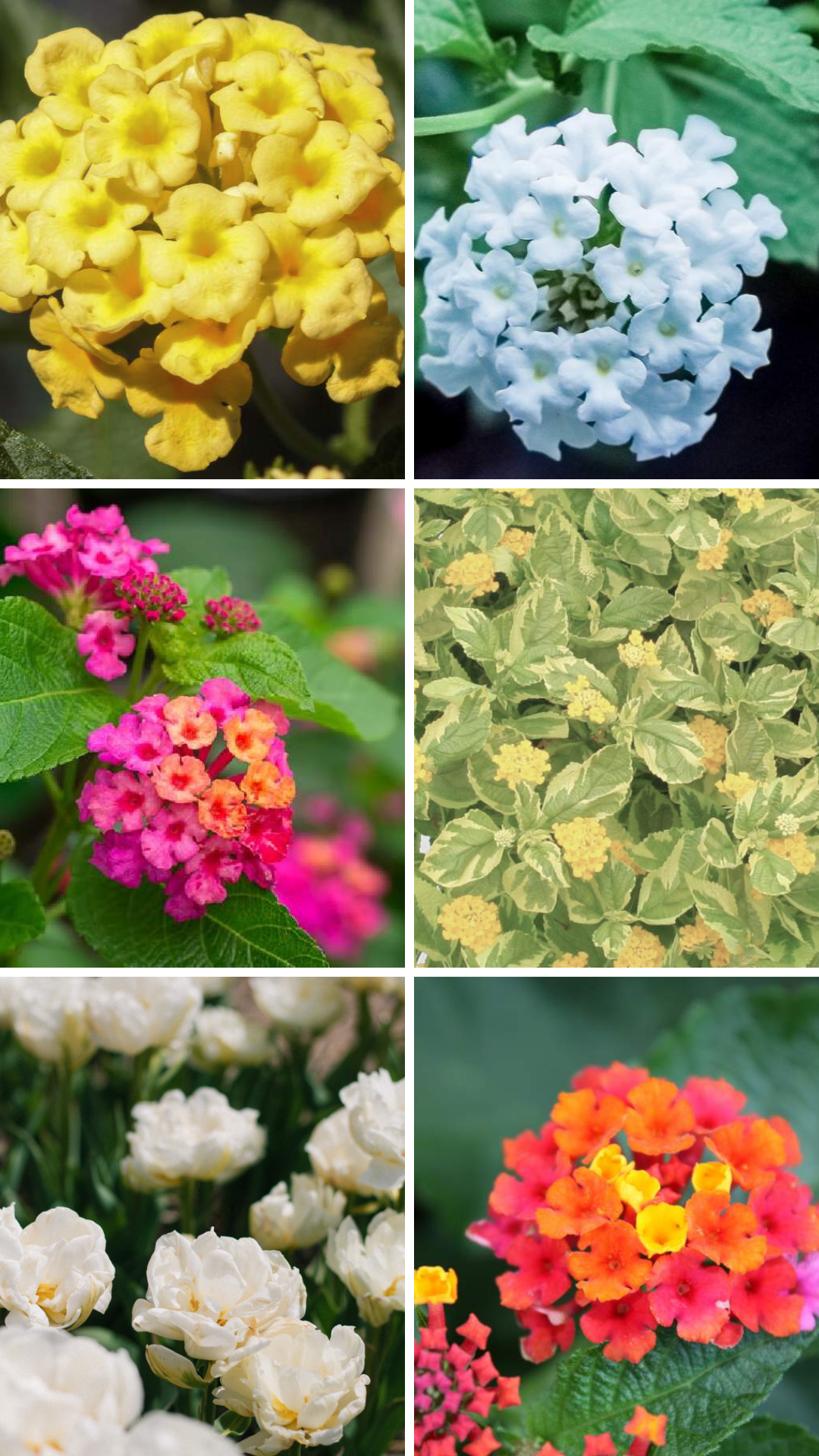
The Lantana Assorted Rooted Starter Plant is a young, well-established plant selected for its vibrant, multi-colored blooms and exceptional heat tolerance. Each starter comes pre-rooted, giving it a strong head start and reducing transplant stress compared to seeds or unrooted cuttings.
These lantana hybrids produce clustered flowers that often shift colors as they mature, creating a dynamic display in shades of red, orange, yellow, pink, and purple. Native to tropical regions of the Americas and Africa, lantana thrives in full sun and challenging conditions, eventually developing into a bushy shrub or spreading ground cover reaching 2-6 feet tall and wide.
Key Features
Rooted Starter Plant
Established roots support quicker growth and easier transplanting.
Assorted Bloom Colors
A mixed selection of varieties for vibrant, changing flower displays.
Heat & Drought Tolerant
Performs reliably in hot, sunny locations with minimal water once established.
Pollinator Friendly
Attracts butterflies, bees, and hummingbirds throughout the season.
Fast, Bushy Growth
Fills garden beds, borders, and containers efficiently.
Benefits
This assorted lantana starter offers instant diversity without the need to choose individual colors. Its resilience makes it ideal for gardeners seeking bold, long-lasting color with minimal upkeep. Once established, lantana thrives where many flowering plants struggle, making it a dependable landscape choice.
Care Instructions
Light
Full sun required for best flowering (6+ hours daily).
Watering
Water regularly during establishment. Once mature, allow soil to dry between waterings.
Soil
Well-draining soil preferred but highly adaptable to sandy, rocky, or poor soils.
Temperature
Perennial in USDA zones 8-11. Grown as an annual in cooler regions. Not frost tolerant.
Fertilizing
Light feeding in spring only. Excess fertilizer may reduce blooms.
Perfect For
• Pollinator and butterfly gardens
• Sunny borders and landscape beds
• Slopes and erosion-prone areas
• Coastal and drought-tolerant gardens
• Patio containers and planters
• Gardeners wanting color with minimal maintenance
Why Choose a Rooted Starter?
• Faster establishment than seeds
• Reduced transplant shock
• More reliable early growth
• Earlier flowering potential
• Higher success rate for beginners
Important Notes
This is an assorted selection; flower colors and varieties will vary based on availability. Bloom color may change as flowers mature. Growth size depends on climate and care. All parts of the lantana plant are toxic if ingested and should be kept away from pets, livestock, and children. Images are for reference only.
📚 Learn how to keep your Lantana thriving! Read our complete Lantana care guide.