
Sort by:
98 products
98 products
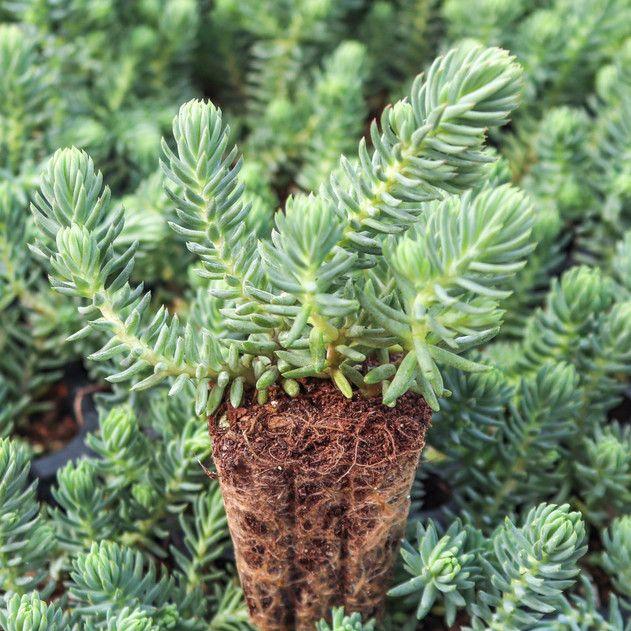
The Sedum Reflexum Blue Spruce Rooted Starter Plant is a young, pre-rooted specimen of the hardy succulent Sedum reflexum Blue Spruce. Native to rocky, mountainous regions of Europe, this Crassulaceae family member features striking blue-green, needle-like foliage that resembles spruce branches. The rooted starter is acclimated for easy transplanting, ensuring rapid establishment. Mature plants form dense, low-growing mats (4-6 inches tall) with vibrant yellow summer blooms that attract pollinators. Ideal for rock gardens, slopes, or containers, this drought-tolerant succulent spreads vigorously, creating year-round visual interest.
Sedum Reflexum Blue Spruce Rooted Starter: Benefits
- Quick establishment: Pre-rooted for faster growth and minimal transplant shock.
- Drought-tolerant: Thrives in dry, nutrient-poor soils with infrequent watering.
- Ground cover: Forms a dense, evergreen mat that suppresses weeds.
- Pollinator-friendly: Bright yellow star-shaped flowers attract bees and butterflies.
- Low maintenance: No pruning or fertilizing required once established.
Sedum Reflexum Blue Spruce Rooted Starter Care Guide
Light and Water
- Light: Full sun (6+ hours daily) enhances foliage color and flowering. Tolerates light shade but may grow leggy.
- Water: Water sparingly only during extended droughts. Overwatering risks root rot.
Soil and Fertilizing
- Soil: Requires well-draining, sandy, or gravelly soil. Avoid clay-heavy or water-retentive mixes.
- Fertilizer: None needed; thrives in lean conditions
Temperature and Humidity
- Temperature: Hardy in USDA zones 3-9. Tolerates frost, snow, and temperatures as low as -30°F (-34°C).
- Humidity: Adapts to dry or moderately humid climates.
Pruning, Propagating, and Repotting
- Pruning: Trim sprawling stems to control growth. Deadhead blooms to prevent self-seeding.
- Propagating: Divide clumps in spring/fall, or place stem cuttings on soil roots readily
- Repotting: Rarely necessary. Refresh container soil every 3-4 years if potted.
Common Problems
- Root rot: Caused by soggy soil. Ensure sharp drainage in pots or garden beds.
- Aphids: Treat with insecticidal soap or neem oil.
- Leggy growth: Due to insufficient sunlight. Relocate to a sunnier spot.
- Invasive spread: Contain with edging or plant in controlled areas.
Sedum Reflexum Blue Spruce Rooted Starter: Best Locations & Uses
- Rock gardens: Add icy-blue texture among stones.
- Slopes and banks: Stabilizes soil with its mat-forming roots.
- Containers: Perfect for drought-tolerant patio or balcony displays.
- Green roofs: Thrives in shallow, gritty substrates.
- Path edges: Fills gaps between pavers and tolerates light foot traffic.
Note:
Mildly toxic if ingested. Keep away from pets and children.
The Sedeveria Hybrid Jet Beads Rooted Starter Plant is a young, pre-rooted succulent prized for its unique, bead-like foliage and compact growth. A hybrid of Sedum and Echeveria, this Crassulaceae family member features small, rounded leaves that cluster tightly along trailing stems, resembling strings of glossy green to burgundy beads. Native to hybrid cultivation (parent species from Mexico), this drought-tolerant plant is acclimated for easy growth and will mature into a clumping or trailing specimen, reaching 4-6 inches tall and 6-12 inches wide.
Ideal for beginners, this rooted starter ensures faster establishment and reduced transplant shock compared to seeds or unrooted cuttings.
Sedeveria Hybrid Jet Beads: Benefits
- Drought-tolerant: Thrives with minimal watering, perfect for xeriscaping or forgetful gardeners.
- Ornamental appeal: Unique bead-like foliage adds texture to arrangements, terrariums, or rock gardens.
- Non-toxic: Safe for homes with pets and children.
- Compact growth: Fits small spaces, hanging baskets, or fairy gardens.
- Low maintenance: Requires no pruning or fertilizing.
Sedeveria Hybrid Jet Beads Care Guide
Light and Water
- Light: Bright indirect light to partial sun (4-6 hours daily). Direct morning sun enhances leaf color; avoid intense afternoon sun.
- Water: Water sparingly every 3-4 weeks in summer. Let the soil dry completely between waterings. Reduce to monthly in winter.
Soil and Fertilizing
- Soil: Use a gritty cactus/succulent mix (e.g., 50% potting soil + 50% perlite/pumice).
- Fertilizer: Optional feed lightly with diluted succulent fertilizer (5-10-5) once in spring and summer.
Temperature and Humidity
- Temperature: Ideal range: 60-80°F (15-27°C). Protect from frost and temperatures below 40°F (4°C).
- Humidity: Thrives in dry air (10-40% humidity). Avoid humid environments.
Pruning, Propagating, and Repotting
- Pruning: Trim leggy stems to maintain shape. Remove dead leaves.
- Propagating: Take stem or leaf cuttings; let callous for 1-2 days before planting.
- Repotting: Repot every 2-3 years in spring. Use shallow pots for shallow roots.
Common Problems
- Root rot: Overwatering or poor drainage. Ensure pots have drainage holes.
- Etiolation (stretching): Insufficient light. Move to a brighter location.
- Mealybugs: Treat with neem oil or isopropyl alcohol.
- Sunburn: White/brown patches from sudden, intense sun. Acclimate gradually.
Sedeveria Hybrid Jet Beads: Best Locations & Uses
- Rock gardens: Add whimsical texture among stones or gravel.
- Hanging baskets: Showcases trailing stems in bright indoor or shaded outdoor areas.
- Terrariums: Compact size suits arid, open terrarium setups.
- Office desks: Thrives under bright artificial light.
- Pet-friendly spaces: Safe for households with cats or dogs.
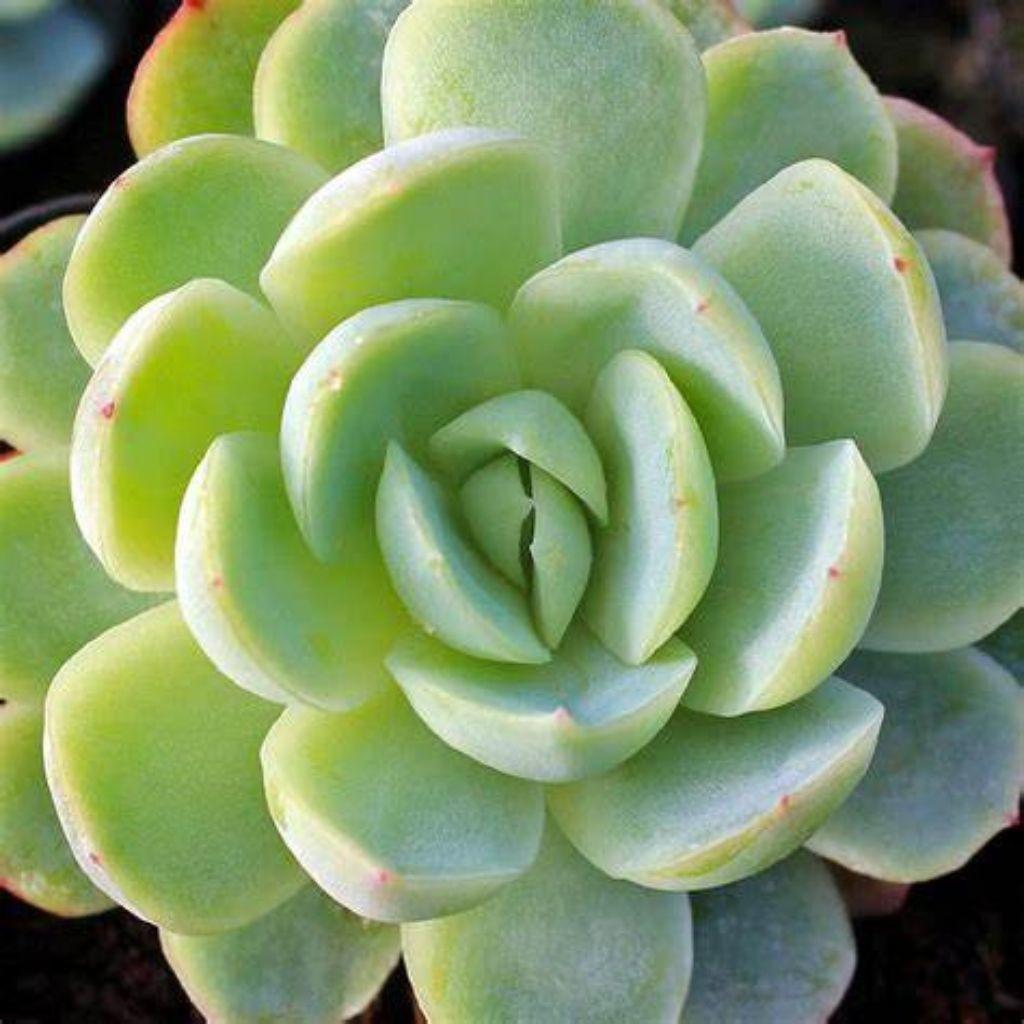
The Echeveria Vertis Rooted Starter Plant is a young, pre-rooted succulent prized for its elegant rosettes of gradient-colored foliage. A hybrid within the Crassulaceae family, this plant features fleshy, spoon-shaped leaves that transition from soft green at the center to pink or coral hues at the tips under bright light. Native to Mexico, this drought-tolerant succulent is acclimated for easy growth and will mature into a compact rosette reaching 6-8 inches in diameter, with potential for tall stalks of orange or yellow flowers in summer.
Ideal for beginners, this rooted starter ensures faster establishment and reduced transplant shock compared to seeds or unrooted cuttings.
Echeveria Vertis: Benefits
- Aesthetic appeal: Gradient foliage adds vibrant color to modern, desert-themed, or minimalist decor.
- Drought-tolerant: Thrives with minimal watering, perfect for low-maintenance gardens or busy plant owners.
- Non-toxic: Safe for homes with pets and children.
- Compact growth: Fits small pots, terrariums, or mixed succulent arrangements.
- Air-purifying: Improves indoor air quality by absorbing CO2.
Echeveria Vertis Care Guide
Light and Water
- Light: Full sun to bright indirect light (6+ hours daily). Direct sun enhances color gradients; acclimate gradually to prevent burns.
- Water: Water deeply but infrequently every 3-4 weeks in summer. Let the soil dry completely between waterings. Reduce to monthly in winter.
Soil and Fertilizing
- Soil: Use a gritty cactus/succulent mix (e.g., 50% potting soil + 50% perlite/pumice).
- Fertilizer: Optional feed lightly with diluted succulent fertilizer (5-10-5) once in spring and summer.
Temperature and Humidity
- Temperature: Ideal range: 60-80°F (15-27°C). Tolerates brief frost down to 25°F (-4°C) if kept dry.
- Humidity: Prefers dry air (10-40% humidity). Avoid humid environments.
Pruning, Propagating, and Repotting
- Pruning: Remove dead lower leaves to maintain symmetry. Trim spent flower stalks post-bloom.
- Propagating: Separate offsets or take leaf cuttings; let callous for 2-3 days before planting.
- Repotting: Repot every 2-3 years in spring. Use shallow, wide pots for shallow roots.
Common Problems
- Root rot: Overwatering or poor drainage. Ensure pots have drainage holes.
- Etiolation (stretching): Insufficient light. Move to a sunnier location.
- Mealybugs or aphids: Treat with neem oil or insecticidal soap.
- Faded coloration: Inadequate sunlight. Gradually increase light exposure.
Echeveria Vertis: Best Locations & Uses
- Sunny windowsills: Enhance color gradients with morning sunlight.
- Rock gardens: Contrasts with other succulents like Sedum or Graptopetalum.
- Office desks: Thrives under bright artificial light.
- Outdoor containers: Ideal for patios in frost-free climates (zones 9-11).
- Pet-friendly spaces: Safe for households with cats or dogs.
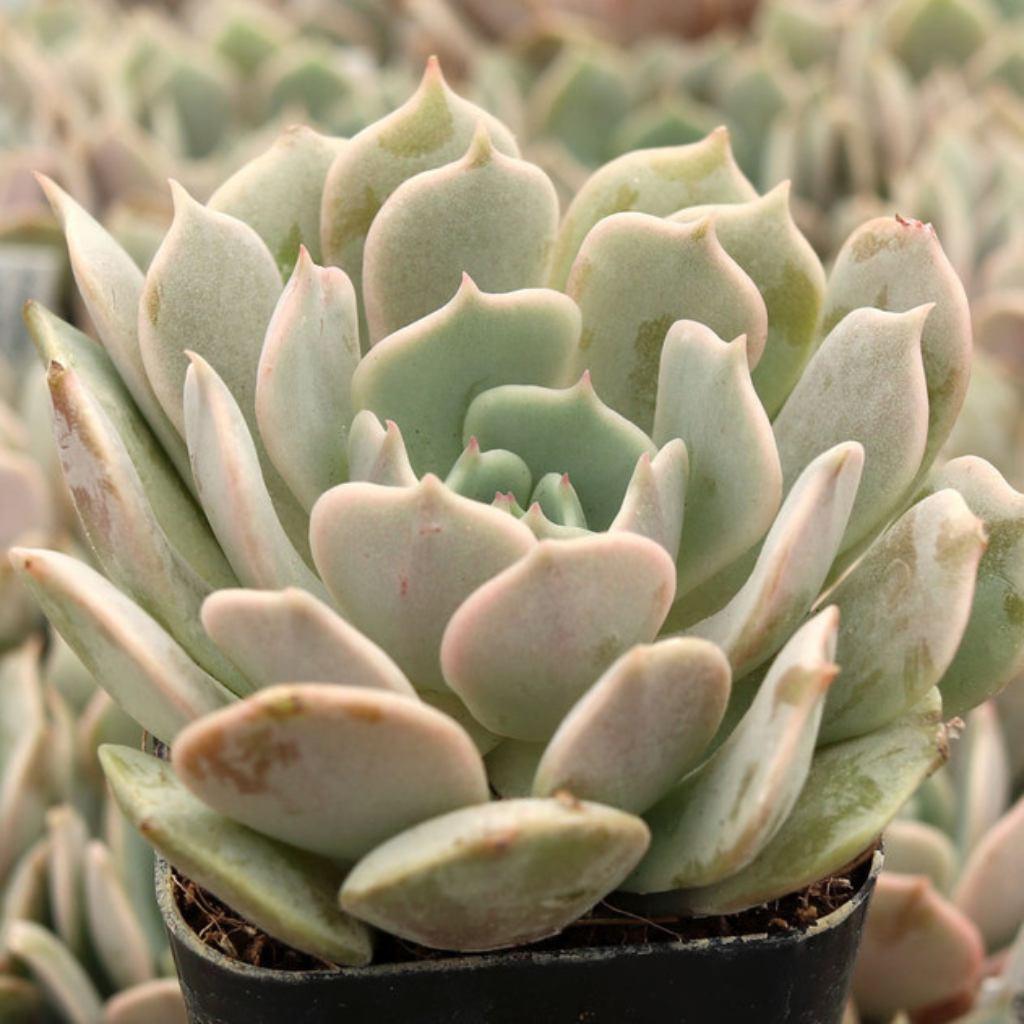
The Echeveria Runyonii Pink Edge Rooted Starter Plant is a young, pre-rooted succulent known for its ruffled, spoon-shaped leaves with delicate pink margins. A cultivar of Echeveria runyonii, this hybrid features powdery blue-green foliage that develops soft pink edges under bright sunlight. Native to Mexico, this Crassulaceae family member forms compact rosettes and grows 6-8 inches tall and wide. Mature plants may produce tall stalks of orange or pink flowers in late summer.
This drought-tolerant starter plant is acclimated for easy growth, offering a head start over seeds or cuttings. Its striking coloration and low-maintenance nature make it ideal for containers, rock gardens, or indoor displays.
Echeveria Runyonii Pink Edge: Benefits
- Ornamental appeal: Ruffled pink-edged leaves add whimsy to modern, desert-themed, or eclectic decor.
- Drought-tolerant: Thrives with minimal watering, perfect for xeriscaping or busy plant owners.
- Non-toxic: Safe for homes with pets and children.
- Compact growth: Fits small pots, terrariums, or mixed succulent arrangements.
- Air-purifying: Improves indoor air quality by absorbing CO2.
Echeveria Runyonii Pink Edge Care Guide
Light and Water
- Light: Full sun to bright indirect light (6+ hours daily). Direct sun enhances pink margins; acclimate gradually to prevent burns
- Water: Water deeply but infrequently every 3-4 weeks in summer. Let the soil dry completely between waterings. Reduce to monthly in winter.
Soil and Fertilizing
- Soil: Use a gritty cactus/succulent mix (e.g., 50% potting soil + 50% perlite/pumice).
- Fertilizer: Optional feed lightly with diluted succulent fertilizer (5-10-5) once in spring and summer.
Temperature and Humidity
- Temperature: Ideal range: 60-80°F (15-27°C). Tolerates brief frost down to 25°F (-4°C) if kept dry.
- Humidity: Prefers dry air (10-40% humidity). Avoid humid environments.
Pruning, Propagating, and Repotting
- Pruning: Remove dead lower leaves to maintain symmetry. Trim spent flower stalks.
- Propagating: Separate offsets or take leaf cuttings; let callous for 2-3 days before planting.
- Repotting: Repot every 2-3 years in spring. Use shallow, wide pots for shallow roots.
Common Problems
- Root rot: Overwatering or poor drainage. Ensure pots have drainage holes.
- Etiolation (stretching): Insufficient light. Move to a sunnier location.
- Mealybugs or aphids: Treat with neem oil or insecticidal soap.
- Faded pink edges: Insufficient sunlight. Gradually increase light exposure.
Echeveria Runyonii Pink Edge: Best Locations & Uses
- Sunny windowsills: Enhance pink margins with morning sunlight.
- Rock gardens: Pair with contrasting succulents like Sedum or Graptopetalum.
- Office desks: Thrives under bright artificial light.
- Outdoor containers: Ideal for patios in frost-free climates (zones 9-11).
- Pet-friendly spaces: Safe for households with cats or dogs.
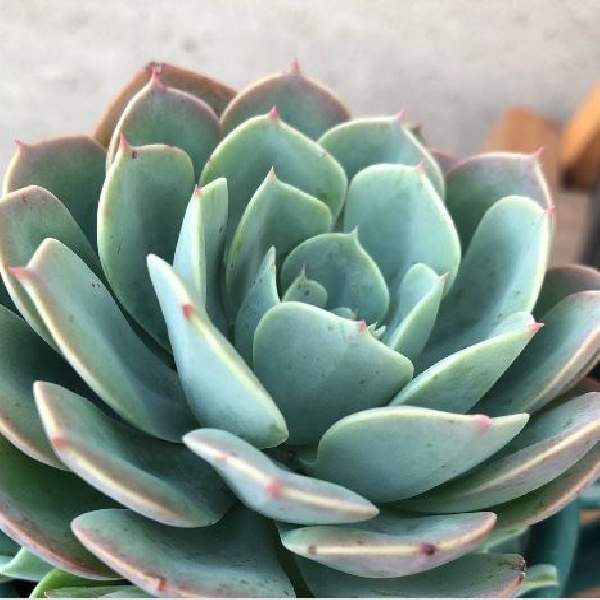
The Echeveria Prolifica Rooted Starter Plant is a young, pre-rooted succulent celebrated for its rapid growth and prolific production of offsets. Native to Mexico, this Crassulaceae family member forms compact rosettes of fleshy, blue-green leaves that blush pink at the tips under bright sunlight. The rooted starter is acclimated for easy growth and will mature into a clumping plant reaching 4-6 inches tall and 8-12 inches wide, with potential for tall stalks of yellow flowers in spring or summer.
Ideal for beginners, this drought-tolerant succulent offers a head start over seeds or cuttings, ensuring faster establishment and lush, spreading growth.
Echeveria Prolifica: Benefits
- Prolific growth: Quickly fills spaces with clusters of rosettes, perfect for ground cover or containers.
- Drought-tolerant: Thrives with minimal watering, ideal for xeriscaping or low-maintenance gardens.
- Non-toxic: Safe for homes with pets and children.
- Air-purifying: Filters indoor air pollutants.
- Ornamental appeal: Adds texture and color contrast to rock gardens or arrangements
Echeveria Prolifica Care Guide
Light and Water
- Light: Full sun to bright indirect light (6+ hours daily). Direct sun enhances leaf coloration.
- Water: Water deeply but infrequently every 3-4 weeks in summer. Let the soil dry completely between waterings. Reduce to monthly in winter.
Soil and Fertilizing
- Soil: Use a gritty cactus/succulent mix (e.g., 50% potting soil + 50% perlite/pumice).
- Fertilizer: Optional feed lightly with diluted succulent fertilizer (5-10-5) once in spring and summer.
Temperature and Humidity
- Temperature: Ideal range: 60-80°F (15-27°C). Tolerates brief frost down to 25°F (-4°C) if kept dry.
- Humidity: Prefers dry air (10-40% humidity). Avoid humid environments.
Pruning, Propagating, and Repotting
- Pruning: Remove dead leaves to maintain tidiness. Trim flower stalks post-bloom.
- Propagating: Separate offsets or take leaf cuttings; let callous for 1-2 days before planting.
- Repotting: Repot every 2-3 years in spring to accommodate spreading growth.
Common Problems
- Root rot: Overwatering or poor drainage. Ensure pots have drainage holes.
- Etiolation (stretching): Insufficient light. Move to a sunnier location.
- Mealybugs or aphids: Treat with neem oil or insecticidal soap.
- Sunburn: White/brown patches from sudden, intense sun. Acclimate gradually.
Echeveria Prolifica: Best Locations & Uses
- Rock gardens: Spreads naturally among stones or gravel beds.
- Hanging baskets: Showcases cascading clusters of rosettes.
- Indoor window sills: Thrives in bright, sunny spots.
- Ground cover: Creates lush carpets in frost-free climates (zones 9-11).
- Pet-friendly spaces: Safe for households with cats or dogs.
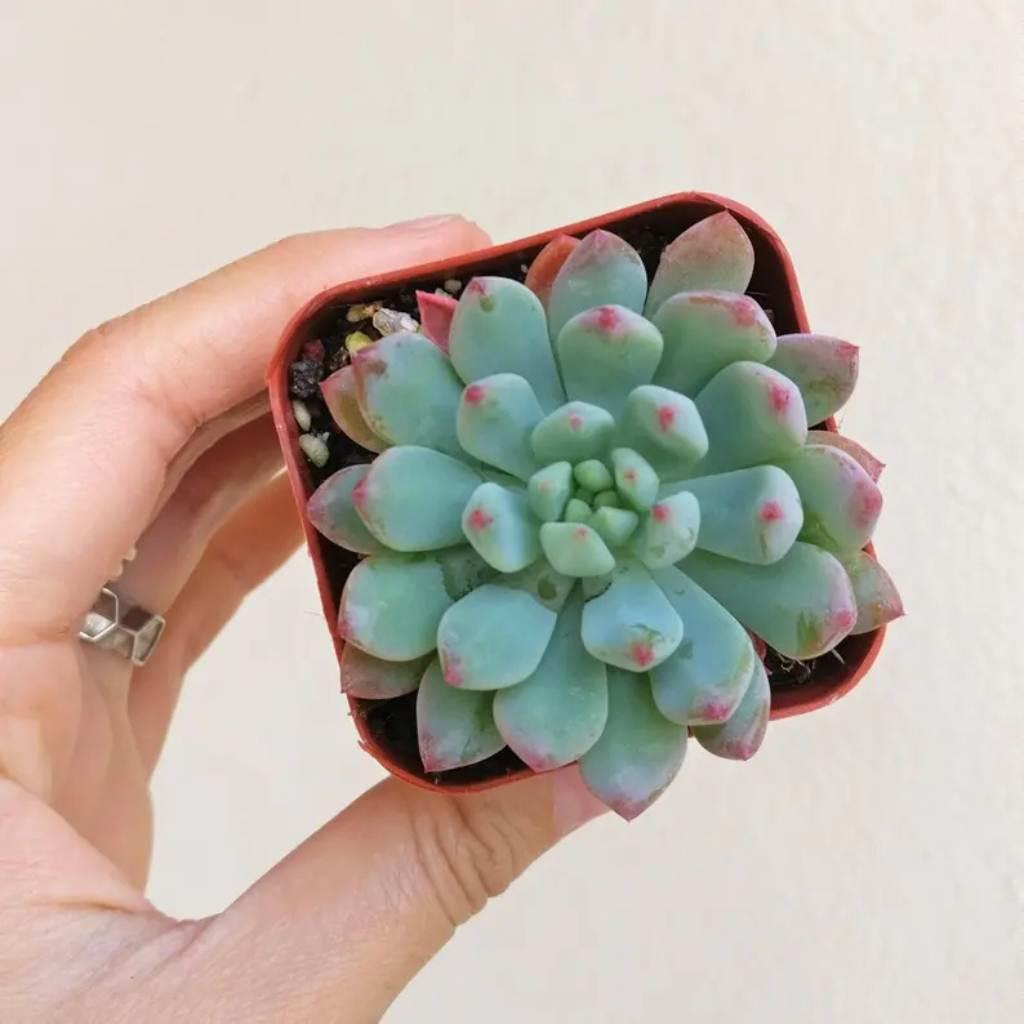
The Echeveria Blue Elf Rooted Starter Plant is a young, pre-rooted succulent prized for its icy blue-green rosettes and sculptural form. A hybrid of the Crassulaceae family, this drought-tolerant plant originates from Mexico and features thick, spoon-shaped leaves with a powdery farina coating that protects against sun and moisture loss. The rooted starter is acclimated for easy growth and will mature into a compact rosette reaching 6-8 inches in diameter, with potential for tall stalks of coral-pink flowers in summer.
Ideal for beginners, this starter plant ensures faster establishment and reduced transplant shock compared to seeds or cuttings.
Echeveria Blue Elf: Benefits
- Drought-tolerant: Thrives with minimal watering, perfect for xeriscaping or busy plant owners.
- Air-purifying: Improves indoor air quality by absorbing CO2.
- Non-toxic: Safe for homes with pets and children.
- Compact size: Fits small pots, terrariums, or mixed succulent arrangements.
- Ornamental appeal: Adds serene blue tones to modern or desert-themed decor.
Echeveria Blue Elf Care Guide
Light and Water
- Light: Full sun to bright indirect light (6+ hours daily). Direct sun enhances blue hues; acclimate gradually to prevent burns.
- Water: Water deeply but infrequently every 3-4 weeks in summer. Let the soil dry completely between waterings. Reduce to monthly in winter.
Soil and Fertilizing
- Soil: Use a gritty cactus/succulent mix (e.g., 50% potting soil + 50% perlite/pumice).
- Fertilizer: Optional feed lightly with diluted succulent fertilizer (5-10-5) once in spring and summer.
Temperature and Humidity
- Temperature: Ideal range: 60-80°F (15-27°C). Tolerates brief frost down to 25°F (-4°C) if kept dry.
- Humidity: Prefers dry air (10-40% humidity). Avoid humid environments.
Pruning, Propagating, and Repotting
- Pruning: Remove dead lower leaves to maintain symmetry. Trim spent flower stalks.
- Propagating: Separate offsets or take leaf cuttings; let callous for 2-3 days before planting.
- Repotting: Repot every 2-3 years in spring. Use shallow, wide pots for shallow roots.
Common Problems
- Root rot: Overwatering or poor drainage. Ensure pots have drainage holes.
- Etiolation (stretching): Insufficient light. Move to a sunnier location.
- Mealybugs: Treat with neem oil or isopropyl alcohol.
- Sunburn: White/brown patches from sudden, intense sun. Acclimate gradually.
Echeveria Blue Elf: Best Locations & Uses
- Sunny windowsills: Enhance blue coloration with morning sunlight.
- Rock gardens or gravel beds: Pair with red or green succulents for contrast.
- Office desks: Thrives under bright artificial light.
- Outdoor containers: Ideal for patios in frost-free climates (zones 9-11).
- Pet-friendly spaces: Safe for households with cats or dogs.

Echeveria Affinis 'Black Knight' is a dramatic succulent prized for its dark, nearly black foliage and bold rosette structure. Native to Mexico and part of the Crassulaceae family, this variety develops thick, pointed leaves that deepen from dark green to rich purple-black when grown in bright light.
This rooted starter plant arrives already established, offering a strong foundation for continued growth with minimal stress. As it matures, Black Knight forms compact rosettes reaching approximately 6-8 inches wide and may produce tall flower stalks bearing red-orange blooms during warmer months. Its sculptural form and deep coloration make it a standout in both indoor and outdoor succulent displays.
Key Features
Dark Pigmented Foliage:
Leaves naturally deepen in color under bright light, creating a bold, high-contrast look.
Rooted Starter Advantage:
Pre-rooted for easier transition, faster growth, and reduced transplant shock.
Compact Rosette Form:
Maintains a tight, symmetrical shape ideal for small pots and displays.
Drought-Tolerant Structure:
Stores water efficiently, requiring infrequent watering.
Slow, Controlled Growth:
Holds its shape well without frequent pruning or repotting.
Benefits
Echeveria Affinis 'Black Knight' offers striking visual impact without demanding care. Its dark foliage adds depth and contrast to succulent collections, while its compact size makes it easy to place in limited spaces. The rooted starter format helps ensure early success, making it a reliable choice for both new plant owners and seasoned collectors looking to expand with minimal maintenance.
Care Instructions
Lighting
Bright indirect light to full sun. At least 6 hours of strong light daily encourages darker leaf coloration.
Watering
Water deeply only after soil has completely dried. Reduce watering significantly during winter.
Soil
Use a fast-draining cactus or succulent mix. Drainage is essential.
Temperature
Prefers 60-80°F (15-27°C). Protect from prolonged frost and excess moisture.
Fertilization
Optional. Feed lightly with diluted succulent fertilizer once or twice during the growing season.
Perfect For
• Beginner succulent growers
• Modern, minimalist, or gothic décor styles
• Small apartments or limited growing space
• Sunny windowsills and bright indoor locations
• Outdoor container gardens in warm climates
• Collectors seeking dark-leaf succulents
Why Choose Echeveria 'Black Knight'?
• Deep, dramatic foliage color
• Compact, space-efficient growth
• Rooted starter for easier success
• Low water and low maintenance needs
• Strong visual contrast in mixed plant displays
Important Notes
Live plants naturally vary in size, shape, and coloration. Dark leaf color develops gradually based on light exposure. Minor leaf loss may occur during acclimation after shipping. Images are for reference only.
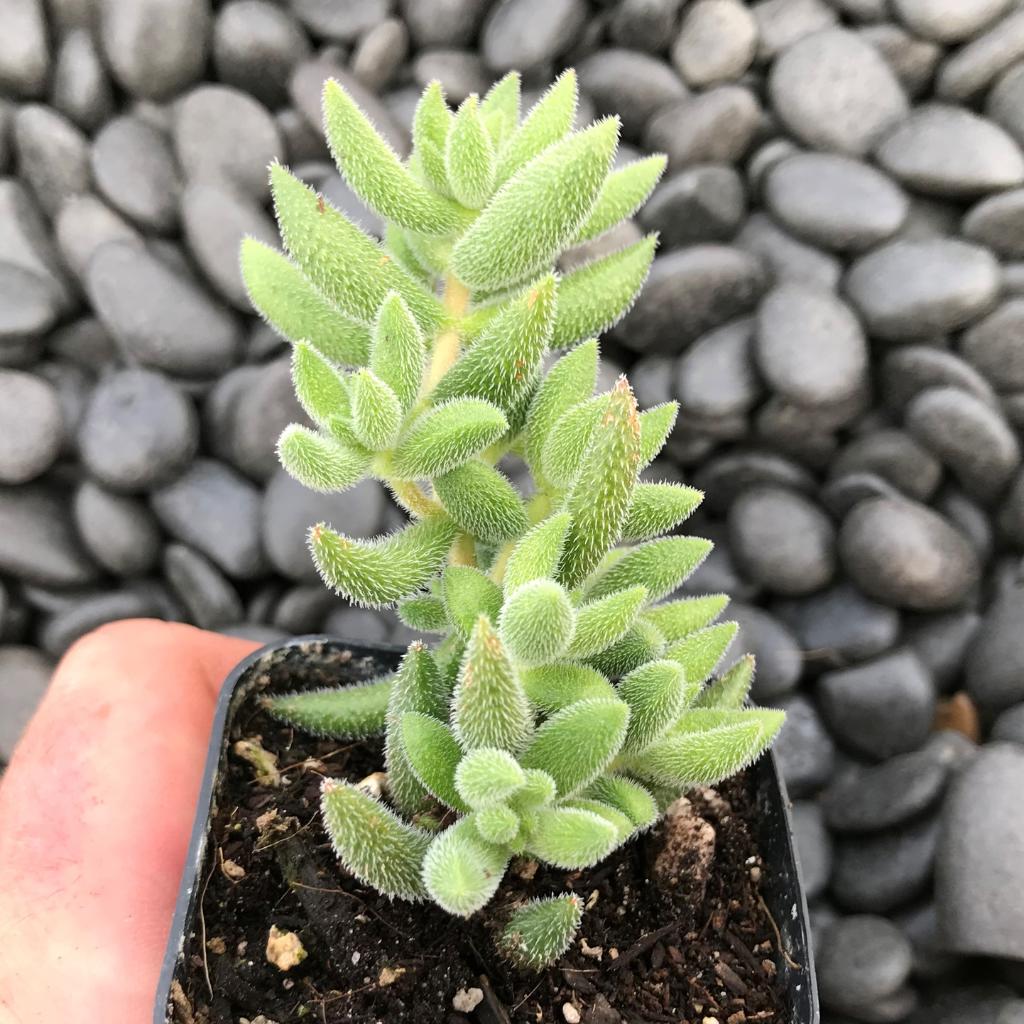
The Crassula Mesembryanthemoides Rooted Starter Plant is a young, pre-rooted succulent prized for its unique, stacked, pagoda-like foliage. Native to South Africa, this Crassulaceae family member features tightly packed, triangular green leaves that form vertical columns, resembling a miniature tower. The rooted starter is acclimated for easy growth and will mature into a compact plant reaching 4-6 inches tall, with potential for small white or pink blooms under bright light
Perfect for beginners, this drought-tolerant succulent offers a head start over seeds or cuttings, ensuring faster establishment and reduced transplant shock.
Crassula Mesembryanthemoides: Benefits
- Architectural appeal: Geometric foliage adds striking texture to desks, shelves, or terrariums.
- Drought-tolerant: Thrives with minimal watering, ideal for forgetful plant owners.
- Non-toxic: Safe for homes with pets and children.
- Compact growth: Fits small spaces or mixed succulent arrangements.
- Low maintenance: Requires no pruning or fertilizing.
Crassula Mesembryanthemoides Care Guide
Light and Water
- Light: Bright, indirect light to partial sun (east or south-facing windows). Direct morning sun enhances leaf density; avoid intense afternoon sun.
- Water: Water sparingly every 3-4 weeks in summer. Let the soil dry completely between waterings. Reduce to monthly in winter.
Soil and Fertilizing
- Soil: Use a gritty cactus/succulent mix (e.g., 50% potting soil + 50% perlite/pumice).
- Fertilizer: Optional feed lightly with diluted succulent fertilizer (5-10-5) once in spring and summer.
Temperature and Humidity
- Temperature: Ideal range: 60-80°F (15-27°C). Protect from frost and temperatures below 40°F (4°C).
- Humidity: Thrives in dry conditions (10-40% humidity). Avoid high humidity.
Pruning, Propagating, and Repotting
- Pruning: Trim leggy stems to maintain shape. Remove dead leaves at the base.
- Propagating: Take stem or leaf cuttings; let callous for 1-2 days before planting in dry soil.
- Repotting: Repot every 2-3 years in spring. Use shallow pots to accommodate shallow roots.
Common Problems
- Root rot: Overwatering or poor drainage. Ensure pots have drainage holes.
- Etiolation (stretching): Insufficient light. Move to a brighter location.
- Mealybugs: Treat with neem oil or isopropyl alcohol.
- Sunburn: White/brown patches from sudden, intense sun exposure. Acclimate gradually.
Crassula Mesembryanthemoides: Best Locations & Uses
- Sunny windowsills: Enhance leaf density with morning sunlight.
- Rock gardens: Add vertical interest among stones or gravel.
- Terrariums: Compact size suits arid, open terrarium setups.
- Office desks: Thrives under bright artificial light.
- Pet-friendly spaces: Safe for households with cats or dogs.

The Angel Wing Begonia Lois Burke is a young, rooted cane begonia ready to grow into a striking tropical houseplant. This variety is prized for its large, asymmetrical, wing-shaped leaves marked with silver-white speckles and deep red undersides. Native to the rainforests of South America, this Begoniaceae family member thrives indoors when provided with bright, indirect light and consistent care.
As a rooted starter plant, it arrives already established, making it easier to acclimate and grow compared to unrooted cuttings or seeds. With proper care, the Lois Burke begonia can mature to 18-24 inches tall and produce clusters of soft pink to red flowers.
Key Features
Distinctive Foliage
Large angel-wing-shaped leaves with silver speckling and rich red undersides.
Rooted Starter Plant
Established roots reduce transplant shock and support faster growth.
Compact Cane Growth
Upright stems with an elegant, arching habit suitable for indoor spaces.
Seasonal Blooms
Produces clusters of pink or red flowers under proper conditions.
Product Specifications
• Plant type: Cane begonia
• Growth habit: Upright, branching
• Mature height: 18-24 inches indoors
• Shipping form: Rooted starter plant
• Growth rate: Moderate
Care Instructions
Lighting
Bright, indirect light is ideal. East or west-facing windows work well. Avoid direct sunlight to prevent leaf scorch.
Watering
Water when the top 1 inch of soil is dry. Keep soil lightly moist but never soggy. Reduce watering during winter.
Temperature
Prefers 65-75°F (18-24°C). Protect from cold drafts and temperatures below 55°F (13°C).
Humidity
Thrives at 50-60% humidity. Use a pebble tray or humidifier. Avoid misting leaves.
Soil & Fertilization
Use a well-draining, peat-based mix with perlite or orchid bark. Feed monthly with a balanced liquid fertilizer during spring through fall.
Maintenance
Trim leggy stems to encourage bushier growth. Remove damaged or yellowing leaves as needed.
Propagation
Once mature, propagation is easy using stem cuttings with nodes. Cuttings can be rooted in water or moist soil.
Common Issues
• Root rot from overwatering
• Leaf spots from water on foliage
• Slow growth from low light or low humidity
• Mealybugs or spider mites in dry conditions
Regular inspection and stable care prevent most problems.
Perfect For
• Beginner houseplant owners
• Tropical plant collectors
• Small apartments and indoor spaces
• Bright rooms with indirect light
• Humid environments like bathrooms
• Desks, shelves, and tabletops
• Gift buyers seeking unique foliage
Why Choose a Rooted Starter Plant?
• Easier establishment than cuttings
• Faster growth after planting
• Lower risk of failure
• Ideal for beginners and collectors
Important Notes
Angel Wing Begonias are toxic to pets if ingested. Keep out of reach of cats and dogs.
Live plants vary naturally in size, color, and leaf pattern. Images are for reference only.
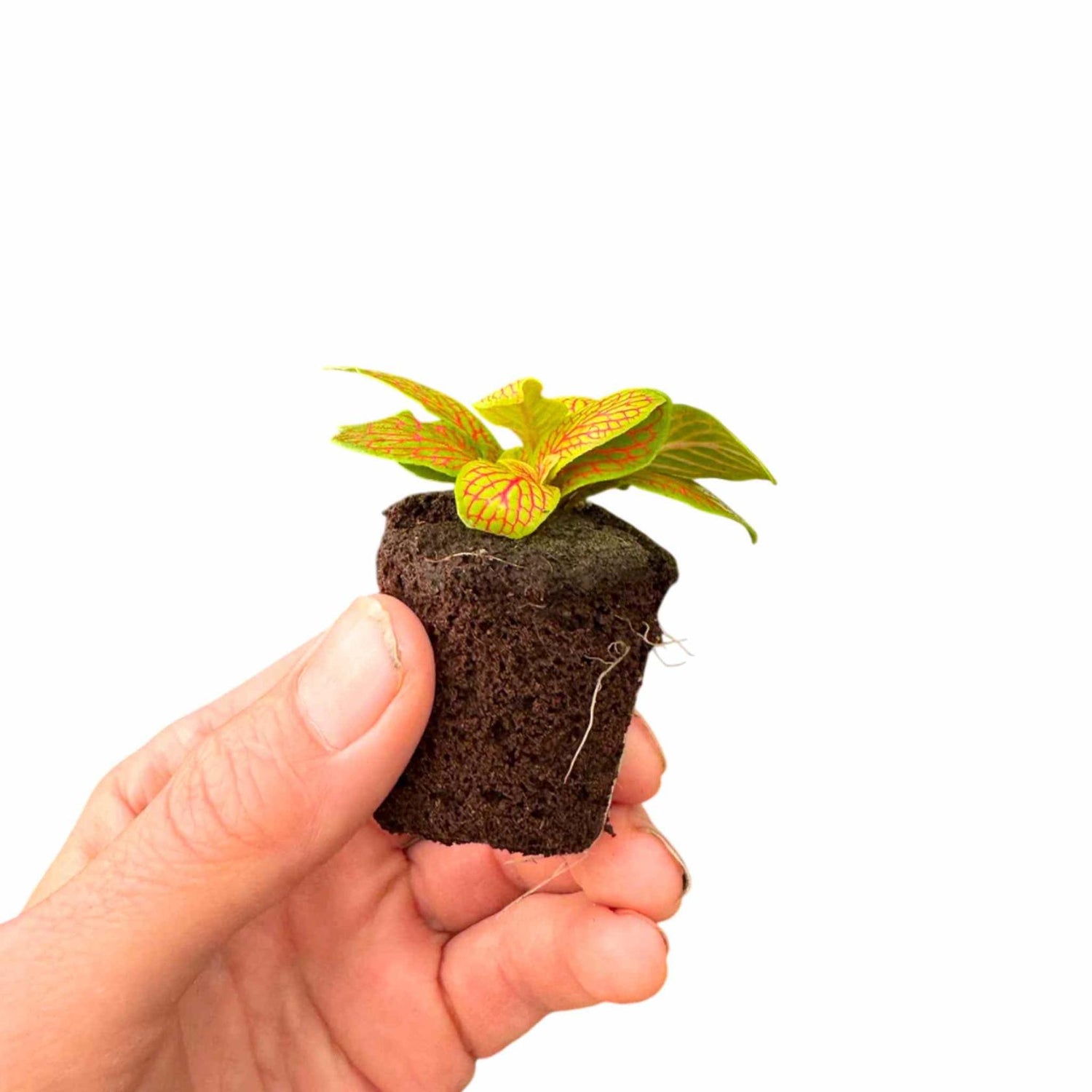
The Fittonia Skeleton is an ideal choice for small spaces, as it stays compact and bushy, making it perfect for tabletops, terrariums, or shelves. This rooted starter plant is a great option for plant lovers looking to cultivate a visually striking, easy-to-care-for addition to their indoor garden.
Fittonia Skeleton: Benefits
* Compact and decorative plant for small spaces
* Air-purifying qualities
* Easy to grow and maintain
* Thrives in humid environments
* Adds vibrant greenery to any space
Fittonia Skeleton: Alternative Names
* Nerve Plant
* Mosaic Plant
Fittonia Skeleton Care Guide
Although Fittonia Skeleton is low-maintenance, understanding its care needs will ensure it stays vibrant and healthy.
Watering
This plant loves consistently moist soil. Water it when the top inch of soil feels dry, ensuring the pot has proper drainage to prevent overwatering. Be cautious not to let the soil dry out completely, as Fittonia can wilt quickly but recovers well when rehydrated.
Light and Temperature
Fittonia Skeleton thrives in bright, indirect light. Direct sunlight can scorch its delicate leaves, while too little light may fade its vibrant veins. It grows best in temperatures between 65°F and 85°F and should be protected from cold drafts or sudden temperature changes.
Humidity
This tropical plant loves high humidity. Regular misting, placing it on a pebble tray filled with water, or using a humidifier will keep your Fittonia happy. It's an excellent choice for bathrooms or kitchens where humidity levels tend to be higher.
Soil, Repotting, and Fertilizing
Use a well-draining, nutrient-rich potting mix to ensure proper root health. Fittonia doesn't require frequent repotting; repot every 1-2 years or when the roots outgrow the container. Fertilize monthly during the growing season with a balanced liquid fertilizer diluted to half-strength to encourage lush foliage.
Pruning and Propagation
Prune regularly to maintain its bushy shape and remove any yellowing or leggy growth. Propagation is simple: take stem cuttings with at least two nodes, place them in water or moist soil, and watch roots develop before transplanting to a pot.
Fittonia Skeleton: Placement, Companion & Alternative Plants
The Fittonia Skeleton's compact size and vibrant foliage make it a versatile addition to your plant collection.
Best Locations & Uses
* Perfect for terrariums, desktops, or shelves
* A great choice for humid spaces like bathrooms or kitchens
* Ideal for beginner indoor gardeners or as a gift plant
* Adds a pop of greenery to small apartments or offices
Companion Plants
Pair your Fittonia Skeleton with plants that thrive in similar humid and low-light conditions:
* Fern (Nephrolepis exaltata): This lush, feathery plant complements the compact Fittonia with its flowing fronds.
* Peperomia Rosso: Its compact size and unique textured leaves make it a beautiful companion.
* Spider Plant (Chlorophytum comosum): An easy-care plant with arching green-and-white leaves to contrast with Fittonia's intricate patterns.
Alternative Plants
If you love the Fittonia Skeleton's aesthetic, consider these alternatives:
* Calathea Medallion: Known for its bold and colorful patterns, this plant offers a dramatic focal point.
* Tradescantia Zebrina: With its purple-and-silver-striped foliage, this trailing plant adds visual interest.
* Pilea Peperomioides: The popular Chinese Money Plant's round leaves make it a delightful addition to any indoor collection.
Add a Fittonia Skeleton to Your Indoor Garden!
Bring home a Fittonia Skeleton Rooted Starter Plant and enjoy its intricate beauty and low-maintenance nature. Whether you're a seasoned plant enthusiast or a beginner, this charming plant is sure to enhance your space and bring a touch of tropical elegance to your home.