

Bougainvillea Indoors: Your Complete Growing Guide
Bougainvillea's vibrant papery bracts in shades of magenta, orange, red, and white typically evoke images of sunny Mediterranean courtyards and tropical landscapes. However, these stunning flowering plants can thrive in your home with the right conditions and care strategies. Growing bougainvillea indoors presents unique challenges, but the reward of year-round color and dramatic visual impact makes the effort worthwhile. Whether you're working with a sun-drenched living room or adapting a conservatory space, understanding the specific needs of these tropical beauties will help you create an indoor environment where they flourish.
Understanding Bougainvillea's Indoor Requirements
Bougainvillea plants are native to warm, dry regions of South America, which explains their demanding nature when grown inside. These woody vines naturally seek intense sunlight and well-draining conditions, making them more challenging than typical houseplants.
The most critical factor for successfully growing bougainvillea indoors is light intensity. These plants need at least five to six hours of direct sunlight daily to produce their signature colorful displays. South-facing windows provide the best exposure in most homes, though unobstructed west-facing windows can work in many situations.
Light Placement Strategies
Optimal indoor locations for bougainvillea include:
- Large bay windows with southern exposure
- Sunrooms or conservatories with glass ceilings
- Rooms with floor-to-ceiling windows
- Spaces near patio doors that receive unfiltered sunlight
Temperature consistency matters almost as much as light. Bougainvillea indoors performs best when daytime temperatures stay between 70-85°F, with nighttime temperatures not dropping below 60°F. Sudden temperature fluctuations or cold drafts from air conditioning vents can cause leaf drop and stress the plant.
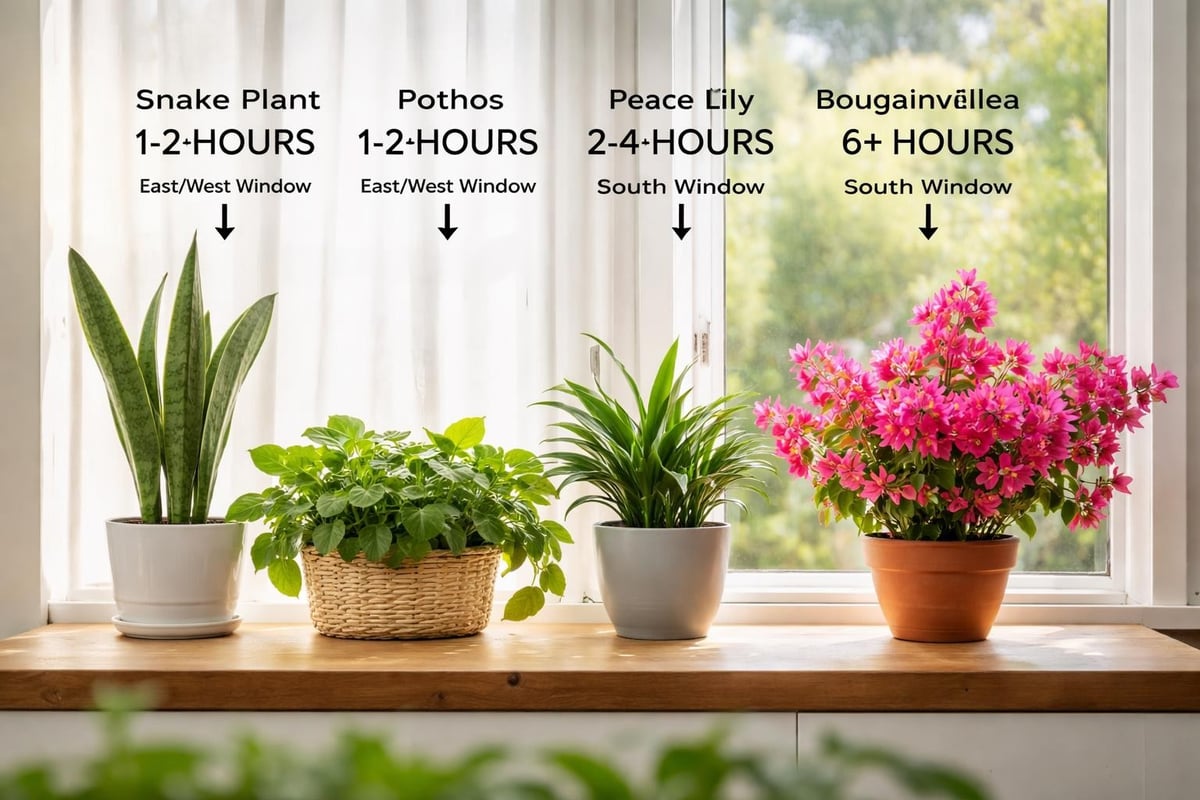
According to Jackson & Perkins' bougainvillea care instructions, maintaining proper environmental conditions is essential for encouraging the plant to produce bracts rather than just foliage. Without adequate light, bougainvillea will grow leaves but rarely bloom, defeating the primary purpose of cultivating these plants indoors.
Selecting the Right Container and Soil
Container selection impacts everything from watering frequency to root health for bougainvillea indoors. These plants actually bloom better when slightly root-bound, so avoid oversized containers that provide too much room for root expansion.
Choose containers based on these specifications:
- Drainage holes are absolutely mandatory
- Terracotta or ceramic materials that allow airflow
- Size approximately 2-3 inches larger than the root ball
- Depth sufficient for 12-18 inches of soil depth
| Container Type | Advantages | Disadvantages |
|---|---|---|
| Terracotta | Breathable, moisture-wicking, traditional look | Heavy, prone to mineral buildup |
| Glazed Ceramic | Decorative, retains moisture better | Less breathable, can be heavy |
| Plastic | Lightweight, affordable, moisture-retaining | Less air circulation, tips easily |
| Wood | Natural aesthetic, good drainage | Degrades over time, requires liner |
The soil mixture deserves equal attention. Standard potting soil retains too much moisture for bougainvillea's preferences. Instead, create a custom blend using equal parts quality potting soil, perlite, and coarse sand. This combination ensures rapid drainage while still providing nutrients.
Some growers add bark chips or coco coir to improve aeration further. The goal is a mix that drains within seconds of watering, preventing the root rot that commonly affects bougainvillea indoors when soil stays saturated.
Watering and Humidity Balance
Watering bougainvillea indoors requires a counterintuitive approach compared to most houseplants. These plants actually bloom more profusely when slightly stressed by drought conditions, making them perfect for forgetful waterers.
Allow the soil to dry completely between waterings. Insert your finger 2-3 inches into the soil; if it feels even slightly moist, wait another day or two. When you do water, saturate the soil thoroughly until water flows from drainage holes, then empty the saucer completely.
Seasonal Watering Adjustments
During active growth periods in spring and summer, bougainvillea may need water every 4-7 days depending on temperature and light intensity. In winter, especially if you're overwintering tropical plants indoors, reduce watering to every 2-3 weeks.
Signs of watering problems include:
- Yellowing leaves: overwatering or poor drainage
- Leaf drop during active growth: inconsistent watering
- Wilted appearance despite dry soil: root damage from previous overwatering
- Brown leaf edges: underwatering during hot weather
Humidity levels matter less for bougainvillea than many tropical plants. These Mediterranean natives tolerate typical household humidity levels of 30-50% without issue. Avoid misting, which can promote fungal problems without providing significant benefits.
Fertilization and Nutrient Management
Bougainvillea indoors requires strategic fertilization to encourage bracts rather than excessive vegetative growth. Too much nitrogen produces lush green foliage at the expense of colorful displays, while balanced feeding supports both leaves and blooms.
Use a water-soluble fertilizer formulated for flowering plants, with an NPK ratio like 5-10-10 or 10-10-10. Apply at half strength every two weeks during the growing season from March through September. Reduce feeding to monthly during fall and eliminate fertilization completely during winter dormancy.
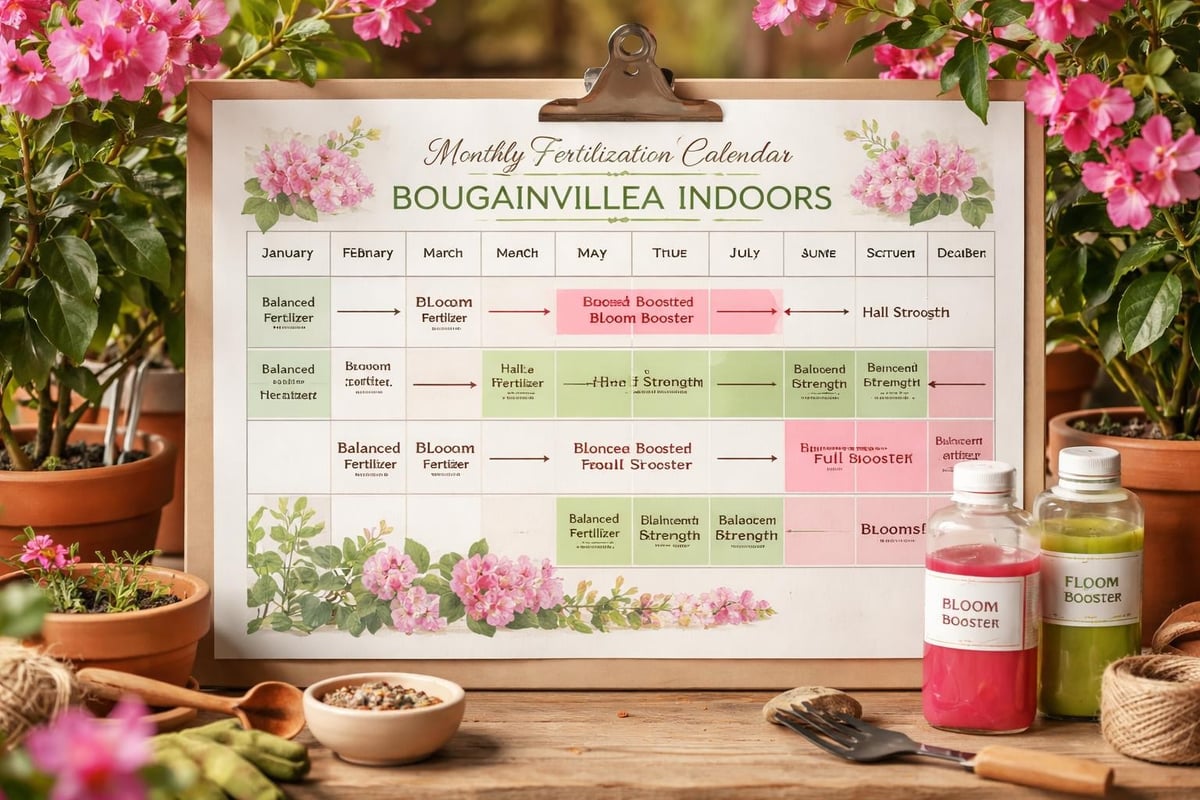
Micronutrients like iron and magnesium support vibrant bract colors. If you notice fading colors despite adequate light, consider a supplemental micronutrient application. Watch for salt buildup on the soil surface, which indicates over-fertilization; flush the container with plain water quarterly to prevent toxicity.
Pruning Techniques for Indoor Management
Controlling size is essential when growing bougainvillea indoors, as these vigorous vines can quickly outgrow available space. Strategic pruning not only manages dimensions but also encourages bushier growth and more abundant blooming.
The best time for major pruning is late winter or early spring, just before new growth begins. You can safely remove up to one-third of the plant's total growth during this annual trimming. Gardening Know How's pruning guide provides detailed instructions for different pruning goals.
Pruning Approaches by Objective
- Size reduction: Cut back all branches by one-third to maintain compact form
- Shape training: Remove crossing branches and guide growth onto supports
- Bloom enhancement: Tip-prune after each bloom cycle to encourage branching
- Dead wood removal: Cut damaged or diseased wood back to healthy tissue throughout the year
Always use clean, sharp pruning shears to make cuts just above a node or leaf junction. Bougainvillea bracts form on new wood, so regular light pruning actually increases flowering potential. During active growth, pinch back stem tips every 4-6 weeks to promote branching.
Many indoor gardeners train bougainvillea indoors onto trellises, frames, or wire forms to create living sculptures. This approach maximizes bloom display while controlling the plant's footprint. Bamboo stakes, decorative ladders, and circular wire forms all work well for support structures.
Troubleshooting Common Indoor Challenges
Even with optimal care, growing bougainvillea indoors presents obstacles that outdoor cultivation doesn't encounter. Understanding these challenges helps you respond quickly before problems escalate.
Frequent issues and solutions:
- Leaf drop: Often caused by environmental stress such as temperature changes, inconsistent watering, or relocation. Minimize plant movement and maintain steady conditions.
- Lack of blooms: Usually indicates insufficient light. Move to a brighter location or supplement with grow lights.
- Pest infestations: Aphids, whiteflies, and mealybugs occasionally affect indoor bougainvillea. Treat with insecticidal soap or neem oil applications.
- Chlorosis: Yellow leaves with green veins suggest iron deficiency, common in alkaline soil. Apply chelated iron supplement.
| Problem | Primary Cause | Immediate Action | Prevention |
|---|---|---|---|
| Wilting despite watering | Root rot | Check roots, repot if mushy | Improve drainage, reduce watering |
| Stunted growth | Pot-bound roots | Repot to larger container | Check roots annually |
| Sparse blooming | Low light or excess nitrogen | Move to brighter spot, reduce fertilizer | Use bloom-formula fertilizer |
| Sticky residue on leaves | Aphid or scale infestation | Apply insecticidal soap | Inspect regularly, isolate new plants |
Similar to challenges discussed in guides about easy-to-care indoor plants, preventing problems through proper environmental conditions works better than correcting issues after they develop.
Training and Support Systems
Bougainvillea's natural growth habit is vining and sprawling, which requires creative management when grown indoors. Training these plants onto various support structures transforms them from unruly growers into architectural focal points.
Small varieties work well as standards (tree forms), while larger cultivars excel as espaliers against sunny walls. The key to successful training is starting early and maintaining consistent guidance as the plant grows.
Popular Indoor Training Methods
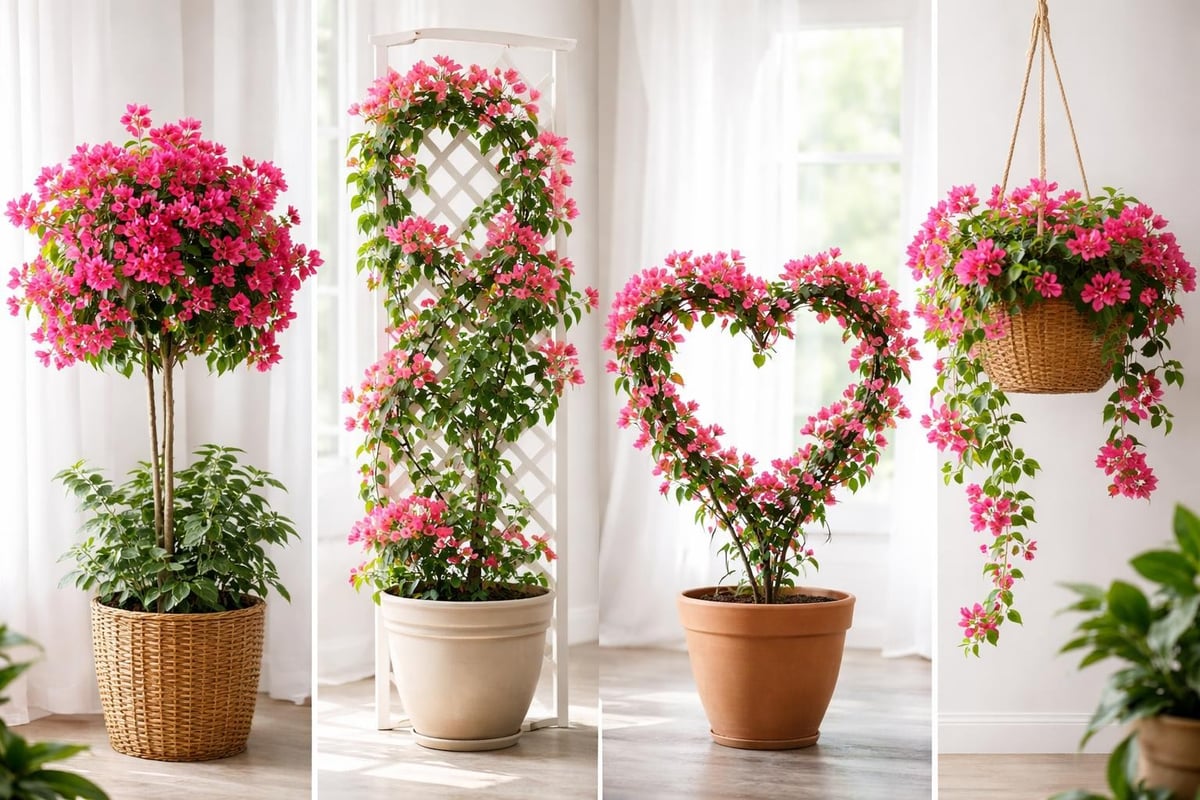
Standard (tree form): Select one strong central stem and remove all lateral branches below the desired height. Allow branching only at the top to create a lollipop silhouette. This approach works especially well for compact varieties and creates dramatic visual impact in modern planters.
Trellis or lattice: Install a flat support against a wall or window frame. Tie branches horizontally and vertically to create geometric patterns. This method maximizes bloom display in limited floor space.
Topiary frames: Wire frames in spheres, cones, or other shapes provide structure for training. Weave new growth through the frame openings and secure with soft ties.
Hanging basket: Let bougainvillea cascade naturally for a waterfall effect. This works best with smaller-leafed varieties and requires excellent overhead light.
Guidance from experts like Melinda Myers on growing bougainvillea indoors emphasizes the importance of gentle training. Use soft plant ties or strips of pantyhose to secure branches without cutting into tender stems. Reposition ties as branches thicken to prevent girdling.
Seasonal Care Adjustments
Bougainvillea indoors needs different care protocols as seasons change, even though indoor temperatures remain relatively stable. These plants evolved with distinct wet and dry seasons, and mimicking this pattern encourages better performance.
Spring (March-May): Resume regular watering and fertilization as light intensity increases. This is the prime time for repotting if needed. Begin training new growth onto supports. Expect rapid growth and blooming to commence.
Summer (June-August): Maintain consistent moisture during peak growing season. Fertilize every two weeks. Monitor for pests that proliferate in warm conditions. Provide maximum light exposure. Expect abundant blooming and vigorous growth.
Fall (September-November): Gradually reduce watering frequency as growth slows. Cut fertilization to monthly, then stop by late November. Allow some leaf drop as the plant enters semi-dormancy. Reduce stress from these natural changes.
Winter (December-February): Water sparingly, only when soil is bone dry. No fertilization needed. Reduce temperatures slightly to 60-70°F if possible to encourage rest. Prune in late winter. Expect minimal growth and possible dormancy.
This seasonal cycling actually improves long-term plant health and bloom production. Many growers find that bougainvillea indoors that experience seasonal variation blooms more reliably than those kept in unchanging conditions year-round.
Variety Selection for Indoor Success
Not all bougainvillea varieties suit indoor cultivation equally. Compact cultivars bred for container growing outperform vigorous landscape varieties in home environments. Selecting appropriate varieties from the start saves significant frustration.
Top varieties for indoor growing:
- 'Helen Johnson': Compact growth with copper-orange bracts, reaches 3-4 feet
- 'Raspberry Ice': Variegated foliage with magenta bracts, moderate size
- 'Silhouette': Dwarf variety perfect for small spaces, pink bracts
- 'Singapore Pink': Reliable bloomer with true pink color, manageable size
- 'Vera Deep Purple': Rich purple bracts on compact plant
Dwarf and compact varieties typically max out at 4-6 feet with pruning, while standard landscape varieties can reach 15-30 feet if unchecked. When sourcing plants, verify the mature size and growth habit to ensure compatibility with your available space.
Color preferences matter too. While magenta and pink varieties dominate, you'll also find orange, red, white, and even variegated options. Some growers enjoy displaying multiple colors together for maximum visual impact, following inspiration from indoor decorative plant trends.
Propagation and Expansion
Once you've mastered growing bougainvillea indoors, propagation allows you to expand your collection or share plants with fellow enthusiasts. These plants root relatively easily from stem cuttings taken during active growth periods.
Take 6-8 inch cuttings from semi-hardwood stems in late spring or early summer. Remove leaves from the bottom half and dip the cut end in rooting hormone powder. Insert cuttings into a mix of perlite and peat moss, keeping them warm and humid under a plastic tent.
- Select healthy stems: Choose current season's growth that's beginning to harden
- Prepare cuttings: Make cuts just below a node at a 45-degree angle
- Apply rooting hormone: Increases success rate significantly
- Provide bottom heat: Heating mat speeds rooting to 3-4 weeks
- Maintain humidity: Cover with plastic to prevent moisture loss
- Transplant carefully: Wait until roots reach 1-2 inches before potting
Rooting typically takes 4-6 weeks under ideal conditions. Once established, treat new plants exactly like mature bougainvillea indoors, gradually acclimating them to full sun exposure. This propagation method preserves the exact characteristics of the parent plant, ensuring you know what colors and growth habits to expect.
Integration with Existing Plant Collections
Bougainvillea indoors complements other tropical and Mediterranean houseplants beautifully when grouped strategically. These plants share similar cultural requirements with hibiscus, mandevilla, citrus, and jasmine, making it possible to create coordinated displays.
Companion plants that thrive in similar conditions include rosemary, lavender, and other herbs that prefer bright light and lean soil. However, avoid grouping bougainvillea with moisture-loving tropicals like ferns or calatheas, which require conflicting care approaches.
Consider combining bougainvillea with succulents or air-purifying plants that share preferences for bright light and well-draining soil. This creates visually diverse collections while simplifying care routines since watering and feeding schedules align.
For those working with limited space, techniques from guides on creating a cozy indoor garden in small spaces can help maximize the impact of bougainvillea without overwhelming your home. Vertical training methods work especially well in compact environments.
Advanced Care Considerations
Experienced growers can push bougainvillea indoors to exceptional performance levels through advanced techniques. These strategies require more attention but deliver superior results in terms of bloom quantity, plant health, and longevity.
Supplemental lighting extends the effective growing season and enables cultivation in homes with less than ideal natural light. Full-spectrum LED grow lights positioned 12-18 inches above the plant canopy provide sufficient intensity when run 12-14 hours daily. This approach transforms north-facing rooms into viable growing spaces.
Root pruning every 2-3 years during repotting maintains the slight stress that encourages blooming while preventing the plant from becoming severely pot-bound. Remove approximately one-third of the root mass, focusing on circling roots and dead material. This technique, combined with fresh soil, rejuvenates aging plants.
Water stress manipulation involves deliberately withholding water for 10-14 days after a growth flush, then resuming normal watering. This mimics natural dry season conditions and often triggers impressive blooming cycles. Monitor carefully to avoid pushing plants into fatal drought stress; leaves should just begin to wilt before you resume watering.
Detailed resources like Gardenine's comprehensive care guide provide additional advanced techniques for maximizing bougainvillea performance in containers. Combining multiple strategies creates optimal conditions that rival outdoor growing in many respects.
Growing bougainvillea indoors transforms living spaces with vibrant, long-lasting color that few other houseplants can match. With proper attention to light, water, pruning, and seasonal adjustments, these Mediterranean beauties thrive in home environments and reward dedicated care with months of spectacular displays. Whether you're expanding your existing collection or embarking on your first adventure with flowering tropicals, Divine Roots offers carefully selected plants and premium containers shipped directly from greenhouse to your door, providing the perfect foundation for your indoor gardening success.
Related Guides
- Cordyline (Ti plant) care
- Best grow lights for houseplants
- Watering indoor plants
- Indoor plant fertilizer guide
- Indoor olive tree care
- Summer houseplant care
About the author
Written and reviewed by Robert, Founder of Divine Roots — he grows, propagates and ships the plants we sell, and the care advice here reflects what actually works in our own greenhouse.
Frequently Asked Questions
Can bougainvillea really grow indoors?
Yes, but only in the brightest spot you own. Bougainvillea needs at least six hours of direct sun a day to flower, so a large south-facing window or a strong grow light is essential. In average indoor light it survives as a green vine and never blooms.
Why won't my indoor bougainvillea flower?
Not enough direct sun is the usual reason, followed by too much water and too much nitrogen fertilizer. Bougainvillea flowers on slight stress: bright sun, a snug pot, and soil allowed to dry between waterings. Switch to a low-nitrogen, high-phosphorus feed during the growing season.
How often should I water bougainvillea indoors?
Water deeply, then let the top two inches of soil dry before watering again, roughly every seven to ten days in summer and every two to three weeks in winter. Consistently damp soil produces lush leaves and no bracts, which is the opposite of what you want.
Do bougainvillea need pruning indoors?
Yes. Prune hard after each flowering flush to keep the plant compact and to force new shoots, since bracts form on new growth. Late winter is the best time for the main cutback. Pinch growing tips through the season to build a bushier, better-branched plant.
Should I repot my indoor bougainvillea?
Only when it is genuinely root-bound, and then go up just one pot size. Bougainvillea flowers best with its roots slightly restricted, and it resents root disturbance, so handle the rootball gently and expect a pause in flowering for several weeks afterwards.
What are the colourful parts of a bougainvillea?
The colourful pink, magenta, orange, or white parts are bracts, which are modified leaves, not petals. The real flowers are the small white tubes at the centre of each bract cluster. Bracts last far longer than true flowers, which is why the display seems to run for months.
Share