

Happy House Plant: Guide to Thriving Indoor Greenery
Creating and maintaining a happy house plant requires more than occasional watering and good intentions. Indoor plants bring life, color, and numerous health benefits to our homes, but they depend entirely on us to meet their needs. Understanding the fundamentals of plant care, recognizing signs of stress, and developing consistent routines transforms struggling specimens into vibrant, thriving companions. Whether you're new to indoor gardening or looking to elevate your plant care skills, mastering these essential principles ensures every plant in your collection flourishes throughout the year.
Understanding What Makes a Happy House Plant
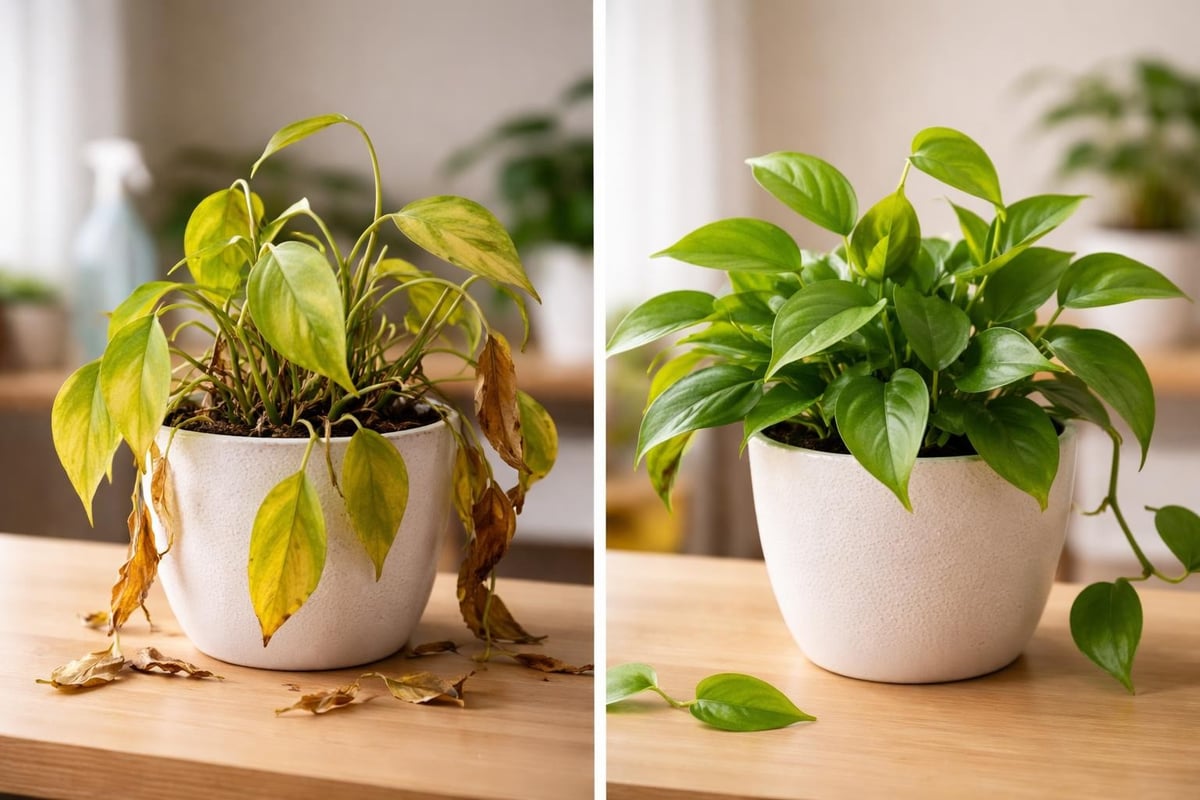
A truly happy house plant exhibits several unmistakable characteristics that signal optimal health and vitality. The most obvious indicator is robust, vibrant foliage with rich coloration appropriate to the species. Leaves should be firm to the touch, free from brown edges or yellowing, and display consistent growth patterns throughout the growing season.
Beyond visual cues, healthy plants demonstrate active growth during their natural growing periods. New leaves unfurl regularly, stems remain sturdy without drooping, and the overall structure appears balanced and proportionate. According to comprehensive houseplant care research, plants receiving proper care develop stronger root systems that anchor them securely while efficiently absorbing water and nutrients.
Root health serves as the foundation for any happy house plant. When you gently lift a plant from its pot, white or light-colored roots indicate excellent condition, while dark, mushy, or foul-smelling roots signal problems requiring immediate attention. The soil should smell earthy and fresh, never sour or putrid.
Signs Your Plant Is Thriving
Healthy plants communicate their contentment through multiple indicators:
- Consistent new growth during active growing seasons
- Leaves maintaining their natural color without discoloration
- Sturdy stems that support foliage without staking
- Roots that fill the pot without becoming severely bound
- Resistance to common pests and diseases
Plants also demonstrate happiness through their interaction with their environment. A content Philodendron Brasil produces cascading vines with vibrant variegation, while a satisfied spider plant sends out numerous plantlets. These species-specific behaviors indicate that environmental conditions align perfectly with the plant's natural preferences.
Essential Care Requirements for Indoor Plant Success
Light remains the single most critical factor in cultivating a happy house plant. Plants manufacture food through photosynthesis, converting light energy into sugars that fuel growth and development. Without adequate illumination, even the most attentive watering schedule cannot compensate for this fundamental deficiency.
Different species evolved in varying light conditions, from dense rainforest floors to sun-drenched desert environments. Understanding your plant's natural habitat guides proper placement within your home. South-facing windows deliver the brightest light, ideal for succulents and cacti, while north-facing exposures suit low-light tolerant varieties like pothos and snake plants.
Mastering the Watering Balance
Watering represents the aspect of plant care most frequently mismanaged, leading to more plant deaths than any other factor. The "weekly watering" myth has destroyed countless plants, as watering frequency depends on numerous variables including pot size, soil composition, humidity levels, and seasonal growth patterns.
The finger test provides a simple, reliable method for determining watering needs. Insert your finger approximately two inches into the soil. If it feels dry at this depth, water thoroughly until excess drains from the bottom. If moisture remains, wait another day or two before checking again.
| Plant Type | Watering Frequency | Soil Moisture Preference |
|---|---|---|
| Succulents | Every 2-3 weeks | Completely dry between waterings |
| Tropical Plants | Every 4-7 days | Consistently moist, never soggy |
| Ferns | Every 3-5 days | Evenly moist at all times |
| Snake Plants | Every 2-4 weeks | Dry to slightly moist |
Water quality significantly impacts plant health. Room temperature water prevents shock to delicate root systems, while allowing chlorinated tap water to sit overnight permits harmful chemicals to dissipate. Some sensitive species, including calatheas and certain ferns, prefer filtered or distilled water to prevent mineral buildup that causes brown leaf tips.
Temperature and Humidity Considerations
Most common houseplants originate from tropical or subtropical regions where temperatures remain relatively stable year-round. Maintaining temperatures between 65-75°F during the day and slightly cooler at night mimics these natural conditions, promoting steady growth and preventing stress.
Sudden temperature fluctuations damage plants more than consistent conditions slightly outside their ideal range. Position plants away from drafty windows, heating vents, and air conditioning units that create rapid temperature swings. Winter houseplant care requires particular attention as heating systems dramatically reduce indoor humidity levels.
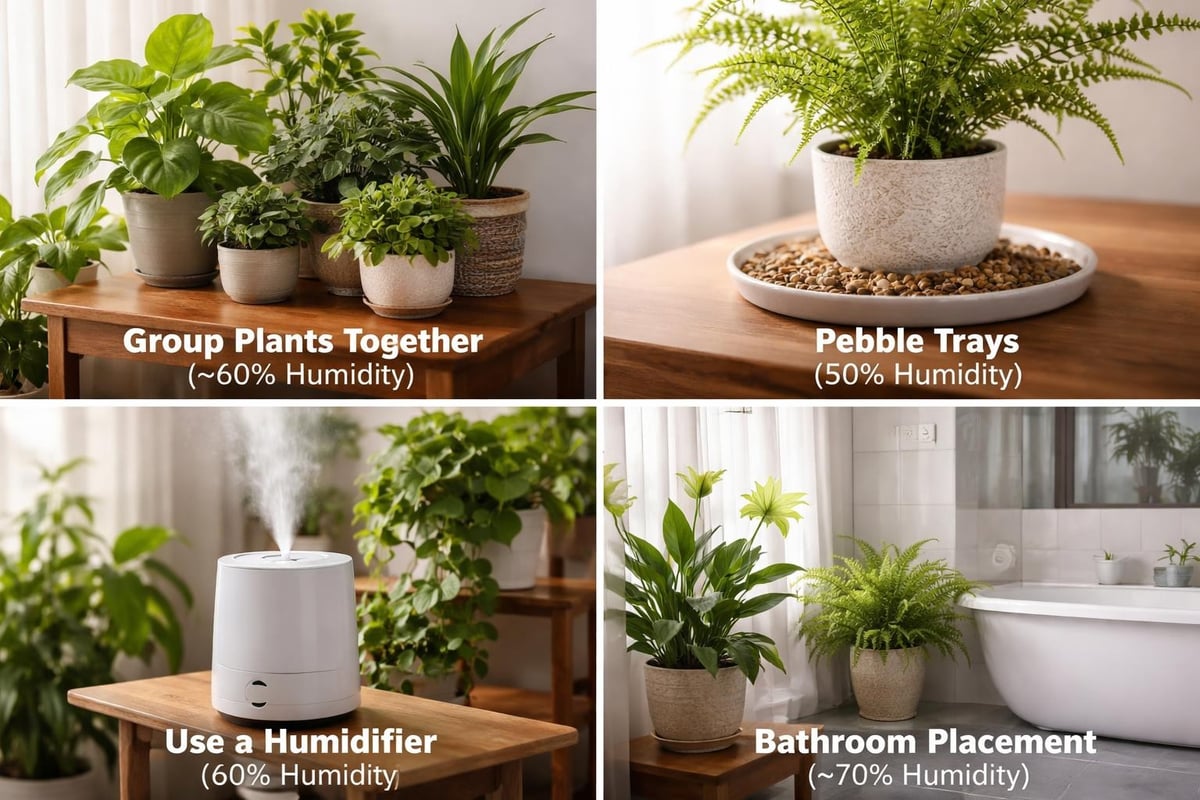
Humidity profoundly affects plant transpiration rates and overall health. While most homes maintain 30-40% relative humidity, many tropical plants prefer 50-60% or higher. Grouping plants together creates beneficial microclimates as they release moisture through transpiration, naturally increasing local humidity levels.
Simple methods to boost humidity include:
- Placing pots on pebble-filled trays with water just below the pot bottom
- Running a humidifier in rooms with plant collections
- Misting foliage occasionally (though less effective than other methods)
- Locating humidity-loving plants in naturally moist areas like bathrooms
The Calathea Freddie exemplifies a species requiring higher humidity to prevent crispy leaf edges, while succulents from arid environments thrive in typical household humidity without supplementation.
Nutrition and Fertilization Strategies
Container-grown plants exhaust available nutrients in potting soil relatively quickly compared to their outdoor counterparts with access to vast soil reserves. Regular fertilization replenishes these depleted nutrients, supporting vigorous growth and vibrant coloration that characterizes a happy house plant.
Choosing the Right Fertilizer
Understanding fertilizer ratios helps match products to plant needs. The three numbers on fertilizer packaging represent nitrogen (N), phosphorus (P), and potassium (K) percentages. Nitrogen promotes leafy growth, phosphorus supports root development and flowering, while potassium strengthens overall plant structure and disease resistance.
Balanced fertilizers with equal NPK ratios (such as 10-10-10) suit most foliage houseplants during active growth periods. Specialized formulations exist for specific plant categories, with higher nitrogen for lush foliage plants and higher phosphorus for flowering varieties.
Application timing follows natural growth cycles. Feed actively growing plants every two to four weeks during spring and summer when they can utilize additional nutrients. Reduce or eliminate fertilization during fall and winter when growth naturally slows. Over-fertilization causes more problems than under-fertilization, manifesting as burnt leaf tips, salt buildup on soil surfaces, or stunted growth despite good intentions.
Organic options like compost tea, worm castings, or fish emulsion provide gentle, slow-release nutrition while improving soil structure. These alternatives reduce the risk of chemical buildup and support beneficial soil microorganisms that contribute to overall plant health.
Soil Composition and Repotting Practices
Quality potting soil forms the foundation for a happy house plant by providing physical support, moisture retention, drainage, and nutrient storage. Never use garden soil for container plants, as its dense composition compacts in pots, restricting airflow and drowning roots.
Commercial potting mixes typically contain peat moss or coir, perlite or vermiculite, and composted organic matter. This combination balances moisture retention with drainage, preventing both drought stress and root rot. Some species benefit from customized soil amendments, such as extra perlite for succulents or orchid bark for epiphytic plants.
Recognizing when repotting becomes necessary preserves plant health and vigor. Signs that indicate repotting time include roots circling the pot's bottom or emerging through drainage holes, water running straight through without absorbing, or dramatically slowed growth despite proper care.
Step-by-step repotting process:
- Water the plant thoroughly 24 hours before repotting
- Select a pot only 1-2 inches larger in diameter than the current container
- Add fresh potting mix to the new pot's bottom
- Gently remove the plant, loosening compacted roots
- Position the plant at the same depth as previously grown
- Fill around roots with fresh soil, firming gently
- Water thoroughly and place in indirect light for recovery
Spring presents the ideal repotting season for most houseplants as they enter active growth periods. This timing allows plants to quickly establish in their new containers, minimizing transplant shock and maximizing benefits from increased root space.
Common Problems and Solutions
Even with excellent care, houseplants occasionally experience issues requiring diagnosis and intervention. Early detection and appropriate response often save plants from serious decline or death.
Pest Management
Common indoor plant pests include spider mites, mealybugs, scale insects, and fungus gnats. Regular inspection catches infestations early when they're easiest to control. Examine leaf undersides, stem joints, and soil surfaces weekly, particularly on new acquisitions that may harbor hidden pests.
| Pest | Identification | Treatment |
|---|---|---|
| Spider Mites | Fine webbing, stippled leaves | Increase humidity, insecticidal soap |
| Mealybugs | White cottony masses | Rubbing alcohol on cotton swabs |
| Scale | Brown bumps on stems and leaves | Manual removal, neem oil spray |
| Fungus Gnats | Small flies around soil | Allow soil to dry, yellow sticky traps |
Integrated pest management emphasizes prevention and minimal intervention. Maintaining plant health through proper care creates natural resistance to pest establishment. Isolating new plants for two weeks before introducing them to your collection prevents spreading potential problems to established specimens.
Seasonal Adjustments for Year-Round Health
A happy house plant adapts to seasonal changes with appropriate care modifications. Light intensity and duration shift dramatically between summer and winter, requiring repositioning or supplemental lighting to maintain adequate photosynthesis.
Summer houseplant care demands increased watering frequency as higher temperatures and longer days accelerate growth and evaporation. Move plants slightly back from south or west-facing windows to prevent leaf scorch from intense summer sun. Many plants appreciate spending summer months outdoors in protected locations, gradually acclimating them to prevent shock.
Winter care modifications include:
- Reducing watering frequency as growth slows
- Discontinuing or minimizing fertilization
- Increasing humidity to compensate for dry heating systems
- Rotating plants weekly for even light exposure with lower sun angles
- Avoiding cold drafts from windows or doors
Transitional seasons require attentiveness to changing plant needs. Fall care strategies prevent common mistakes as daylight decreases and temperatures cool. Gradually reduce watering and feeding as plants signal their entry into dormancy through slowed growth.
Selecting Plants for Your Environment
Matching plant species to available growing conditions sets the foundation for success. Attempting to grow high-light plants in dim corners inevitably leads to disappointment, while shade-loving varieties develop weak, pale growth under bright light.
Assess your home's conditions honestly before acquiring plants. Measure available light with smartphone apps or simple observation of shadow patterns throughout the day. Consider temperature ranges, humidity levels, and your lifestyle habits regarding watering consistency.
Beginners achieve greatest success with forgiving species that tolerate variable conditions. The String of Pearls demonstrates remarkable drought tolerance, while pothos varieties adapt to various light levels. These resilient plants build confidence and skills before advancing to more demanding species.
Pet owners require special consideration when selecting plants. Many common houseplants contain compounds toxic to cats and dogs if ingested. Research pet-safe alternatives or position potentially harmful plants beyond pet access. Spider plants, Boston ferns, and most peperomia varieties pose no threat to curious pets.
Building a Thriving Collection
Starting with a manageable number of plants allows you to develop care routines without becoming overwhelmed. Focus on understanding each plant's specific needs rather than accumulating large collections before mastering fundamentals.
Collection building strategies include:
- Begin with three to five plants of varying care requirements
- Master basic care before acquiring challenging species
- Consider space limitations and available growing conditions
- Group plants with similar needs for easier maintenance
- Document care routines and plant responses
The windowsill succulent pack offers an excellent starting point for those with bright light, while trailing varieties like Swedish ivy suit hanging baskets in moderate light conditions. Diversifying your collection across different plant families provides learning opportunities while creating visual interest.
Advanced Care Techniques
Once you've mastered fundamental care, advanced techniques further optimize plant health and appearance. Pruning shapes growth, removes damaged tissue, and stimulates branching in appropriate species. Strategic trimming of leggy stems encourages fuller, bushier development rather than sparse, elongated growth.
Propagation multiplies favorite plants while providing backup specimens in case the parent plant encounters problems. Most houseplants propagate readily through stem cuttings, division, or leaf propagation depending on their growth habits. This rewarding practice deepens understanding of plant biology while expanding your collection economically.
Air layering suits larger specimens with woody stems, encouraging root development on attached branches before severing them from the parent plant. This technique succeeds with plants difficult to propagate through conventional cuttings.
Training and support systems guide climbing or vining plants along moss poles, trellises, or architectural features. Many aroids, including philodendrons and monsteras, develop larger, more dramatic foliage when allowed to climb as they would in nature. Supporting growth also prevents damage from heavy stems breaking under their own weight.
The Science Behind Plant Happiness
Understanding basic plant physiology reveals why certain care practices work while others fail. Photosynthesis requires adequate light, carbon dioxide from air, and water from soil to produce sugars fueling all plant processes. Limiting any single factor restricts this fundamental process, regardless of abundance of other inputs.
Transpiration, the process of water movement from roots through plants to atmosphere, serves multiple functions beyond simple hydration. This constant flow transports dissolved nutrients, cools leaf surfaces, and maintains cell turgor pressure that keeps foliage firm and upright. Research demonstrates that healthy transpiration also improves indoor air quality by releasing moisture and filtering certain pollutants.
Root respiration requires oxygen dissolved in soil air spaces. Overwatering fills these spaces with water, suffocating roots and creating conditions favoring harmful anaerobic bacteria and fungi. This explains why proper drainage and appropriate watering intervals prove essential for maintaining a happy house plant.
Circadian rhythms affect plants just as they influence human biology. Many species evolved to open stomata (leaf pores) during daylight for photosynthesis while closing them at night to conserve water. Respecting these natural cycles through consistent light schedules supports optimal metabolic function.
Creating Optimal Growing Environments
Environmental modification transforms challenging spaces into suitable plant habitats. Supplemental lighting extends growing possibilities into dim corners or windowless rooms. Modern LED grow lights consume minimal electricity while providing full-spectrum illumination that supports photosynthesis without excessive heat generation.
Strategic placement considerations include:
- Avoiding direct heat sources that desiccate foliage
- Providing air circulation without cold drafts
- Ensuring adequate space for mature plant size
- Maintaining accessibility for regular maintenance
- Considering aesthetic integration with room design
Dedicated plant shelves or stands organize collections while optimizing light distribution. Multi-tiered arrangements place high-light plants on upper levels closest to windows while positioning shade-tolerant specimens below where light intensity naturally decreases.
Seasonal plant rotation prevents uneven growth patterns caused by directional light sources. Turning pots 90 degrees weekly ensures all sides receive equal illumination, promoting balanced, symmetrical development. This simple practice significantly improves appearance and structural integrity.
Long-Term Plant Care Planning
Developing systematic care routines prevents neglect while avoiding over-attention that harms plants. University extension research recommends establishing regular schedules for watering checks, fertilization, pest inspection, and cleaning.
Digital tools including smartphone apps track watering schedules, growth progress, and care histories for individual plants. Photography documents development over time, revealing slow changes that daily observation might miss. These records prove invaluable for diagnosing problems and optimizing care strategies.
Preparing for absences requires advance planning to maintain plant health during vacations or business travel. Self-watering systems, plant sitters, or strategic watering immediately before departure sustains plants for varying durations depending on their drought tolerance.
Succession planning for large or aging specimens prevents catastrophic loss. Taking cuttings from mature plants creates backups should the original encounter irreversible problems. This practice proves particularly valuable with rare or sentimental plants impossible to replace easily.
Annual plant reviews assess collection health and identify specimens requiring intervention. This "plant audit" process removes declining plants beyond recovery, repots rootbound specimens, and evaluates whether growing conditions still match plant needs as home environments evolve.
Cultivating a happy house plant combines scientific understanding with attentive observation and consistent care practices. By mastering fundamental requirements for light, water, temperature, humidity, and nutrition, you create conditions where plants naturally thrive rather than merely survive. Whether you're just beginning your indoor gardening journey or expanding an established collection, Divine Roots provides carefully selected, greenhouse-grown specimens shipped directly to your door, giving you a head start with healthy plants ready to flourish in your home.
🌿 Related Reading
Share