

Indoor Plant Caretaker: Complete Care Guide for 2026
Becoming a skilled indoor plant caretaker requires more than occasional watering and good intentions. It demands understanding the unique needs of each plant species, recognizing environmental signals, and establishing consistent care routines that promote long-term vitality. Whether you're nurturing a single pothos or cultivating an entire indoor jungle, mastering the fundamentals of plant care transforms your relationship with greenery from stressful to rewarding. This comprehensive guide explores the essential practices, seasonal adjustments, and troubleshooting strategies that separate thriving plants from struggling specimens.
Understanding Your Role as an Indoor Plant Caretaker
The responsibilities of an indoor plant caretaker extend far beyond basic maintenance. You become the sole provider of everything your plants need to survive and flourish in an artificial environment. Unlike outdoor plants that benefit from natural rainfall, seasonal temperature fluctuations, and organic soil ecosystems, indoor plants depend entirely on your intervention.
Assessing Individual Plant Requirements
Each plant species brings distinct care requirements to your home. Succulents demand minimal water and bright light, while ferns prefer consistent moisture and indirect illumination. As an effective indoor plant caretaker, you must research the specific needs of every plant in your collection.
- Light preferences: Full sun, bright indirect, moderate, or low light
- Watering frequency: Daily, weekly, biweekly, or monthly schedules
- Humidity levels: High (60-80%), moderate (40-60%), or low (20-40%)
- Temperature ranges: Tropical warmth, temperate conditions, or cool environments
- Soil composition: Well-draining, moisture-retentive, or specialized mixes
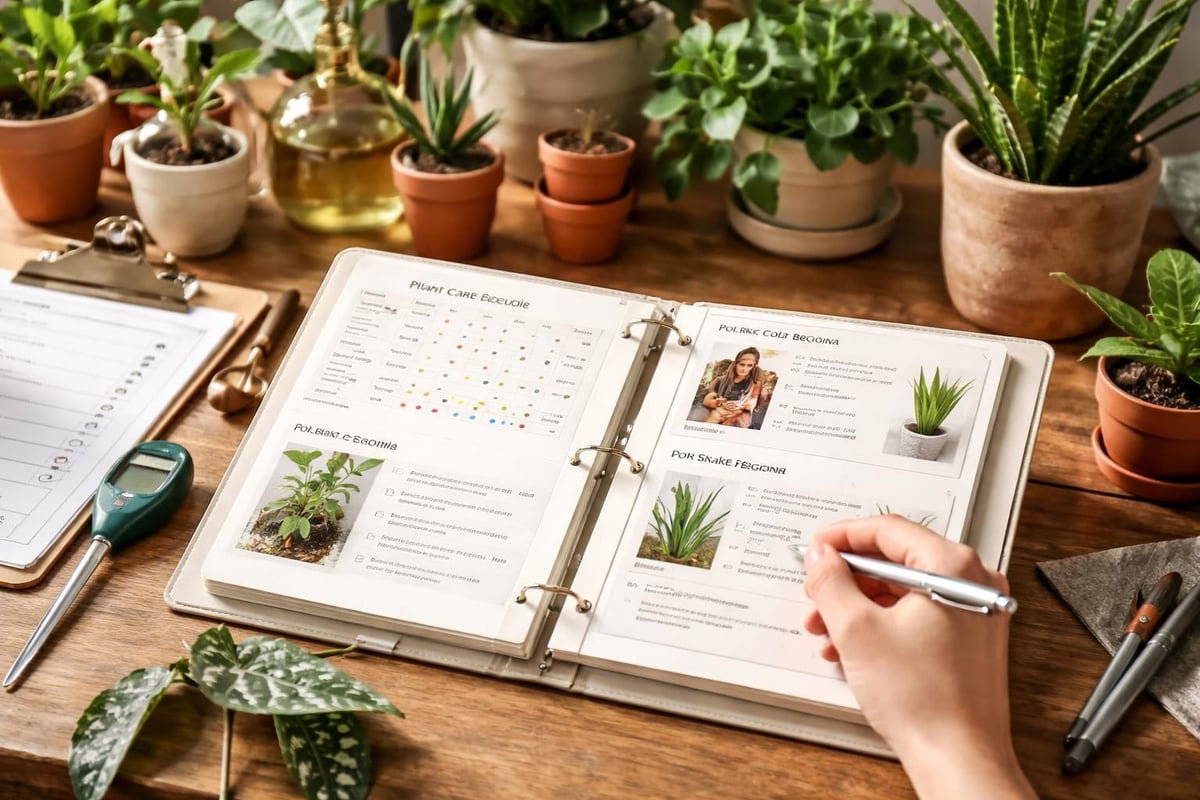
Creating a plant inventory helps track these variables systematically. Document each plant's name, purchase date, pot size, and care requirements in a spreadsheet or notebook.
Mastering Watering Techniques and Schedules
Water management represents the most critical skill for any indoor plant caretaker. More houseplants die from overwatering than any other cause, making it essential to develop informed watering practices rather than arbitrary schedules.
Determining When Plants Need Water
The finger test provides the most reliable watering indicator. Insert your finger two inches into the soil. If it feels dry at that depth, most plants need water. If moisture remains, wait another day or two before checking again.
Different plant categories require distinct approaches. Air-purifying plants like peace lilies signal their thirst by drooping slightly, while succulents prefer their soil to dry completely between waterings.
Signs of proper hydration:
- Firm, upright leaves
- Consistent growth patterns
- Vibrant leaf coloration
- No yellowing or browning edges
Signs of watering problems:
- Yellowing lower leaves (overwatering)
- Crispy brown leaf tips (underwatering)
- Wilting despite moist soil (root rot)
- Slow or stunted growth (inconsistent watering)
The comprehensive plant care guide emphasizes that proper watering involves both frequency and technique. Water thoroughly until liquid drains from the bottom, ensuring the entire root system receives moisture. Empty drainage trays within 30 minutes to prevent root rot.
Optimizing Light Conditions for Healthy Growth
Light quality, intensity, and duration determine whether your plants merely survive or genuinely thrive. As an indoor plant caretaker, understanding light dynamics helps you position plants strategically throughout your home.
Evaluating Natural Light in Your Space
Windows facing different directions provide varying light intensities. South-facing windows deliver the brightest, most intense light for 6-8 hours daily. East-facing windows offer gentle morning sun, while west-facing windows provide stronger afternoon light. North-facing windows supply the lowest light levels, suitable only for shade-tolerant species.
| Window Direction | Light Intensity | Best Plant Types | Duration |
|---|---|---|---|
| South | High | Succulents, cacti, herbs | 6-8 hours |
| East | Moderate | Pothos, philodendrons | 4-6 hours |
| West | Moderate-High | Most tropical plants | 4-6 hours |
| North | Low | Snake plants, ZZ plants | 2-4 hours |
Seasonal changes dramatically affect indoor light availability. Winter months reduce both intensity and duration, requiring plant repositioning or supplemental grow lights. The experts at Homes & Gardens recommend rotating plants weekly to ensure even growth and prevent leaning toward light sources.
Recognizing Light-Related Problems
Plants communicate their lighting needs through visible symptoms. Leggy growth with elongated stems indicates insufficient light. Scorched, bleached, or brown patches signal excessive direct sun exposure. Adjusting plant placement addresses these issues more effectively than changing watering routines.
Establishing Seasonal Care Adjustments
Competent indoor plant caretaker practices evolve with the changing seasons. Plants experience growth cycles that correspond to daylight hours and temperature fluctuations, even indoors.
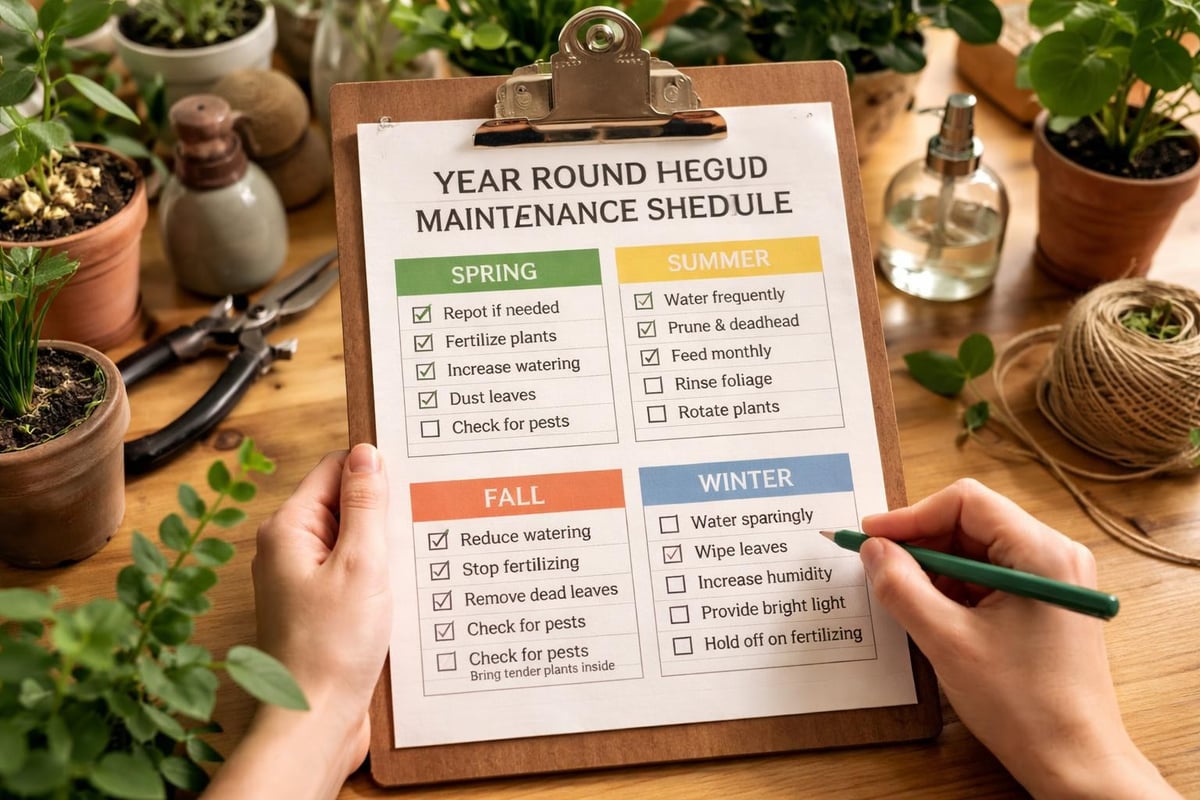
Spring and summer represent active growing periods when plants require more frequent watering, regular fertilization, and occasional pruning. Fall and winter trigger dormancy in many species, necessitating reduced watering frequency and elimination of fertilizer applications.
Seasonal care modifications include:
- Spring (March-May): Resume fertilizing, increase watering as growth accelerates, repot root-bound plants
- Summer (June-August): Maintain consistent moisture, monitor for pest activity, provide adequate ventilation
- Fall (September-November): Gradually reduce watering frequency, discontinue fertilization, bring outdoor plants inside
- Winter (December-February): Water sparingly, avoid temperature drafts, increase humidity around tropical plants
The guide on fall houseplant care mistakes warns against repotting during dormancy periods. This stresses plants when their energy reserves are lowest, potentially causing permanent damage or death.
Implementing Proper Feeding and Fertilization
Nutrient management separates adequate plant care from exceptional results. Even the best potting soil depletes its nutrients within 6-8 months, making fertilization essential for long-term plant health.
Choosing the Right Fertilizer Type
Liquid fertilizers offer the most control for indoor plant caretaker applications. Dilute them to half-strength to prevent root burn, applying during watering sessions every 2-4 weeks during growing season.
Slow-release granular fertilizers provide steady nutrition over several months. They work well for consistent feeders but offer less flexibility for adjusting application rates.
NPK ratios for different plant types:
- Foliage plants: 3-1-2 (balanced growth)
- Flowering plants: 1-3-1 (bloom promotion)
- Succulents: 2-7-7 (root development)
- Palms: 8-2-12 (tropical formula)
Never fertilize stressed, dry, or newly repotted plants. Water thoroughly first, then apply diluted fertilizer to avoid chemical burns on roots.
Maintaining Plant Health Through Cleaning and Grooming
Dust accumulation on leaves blocks light absorption and clogs stomata, reducing photosynthetic efficiency. Regular cleaning constitutes an essential indoor plant caretaker responsibility that directly impacts plant vitality.
Wipe smooth leaves with a damp microfiber cloth monthly. For fuzzy-leaved plants like African violets, use a soft brush to remove dust without damaging delicate trichomes. Shower large plants in the bathtub quarterly, allowing the spray to rinse both upper and lower leaf surfaces.
Pruning for Shape and Vigor
Strategic pruning encourages bushier growth and removes damaged tissue that drains plant resources. Use clean, sharp scissors or pruning shears to make cuts just above leaf nodes at a 45-degree angle.
Pruning priorities:
- Remove yellow, brown, or diseased leaves immediately
- Cut back leggy stems to promote compact growth
- Trim dead flower stalks to redirect energy
- Shape overgrown plants in early spring
The spider plant care guide demonstrates how removing plantlets encourages the mother plant to focus energy on foliage production rather than reproduction.
Monitoring and Preventing Common Pest Problems
Vigilant pest surveillance prevents minor infestations from becoming major crises. Inspect plants weekly, examining leaf undersides, stems, and soil surfaces for early warning signs.
Identifying Common Indoor Pests
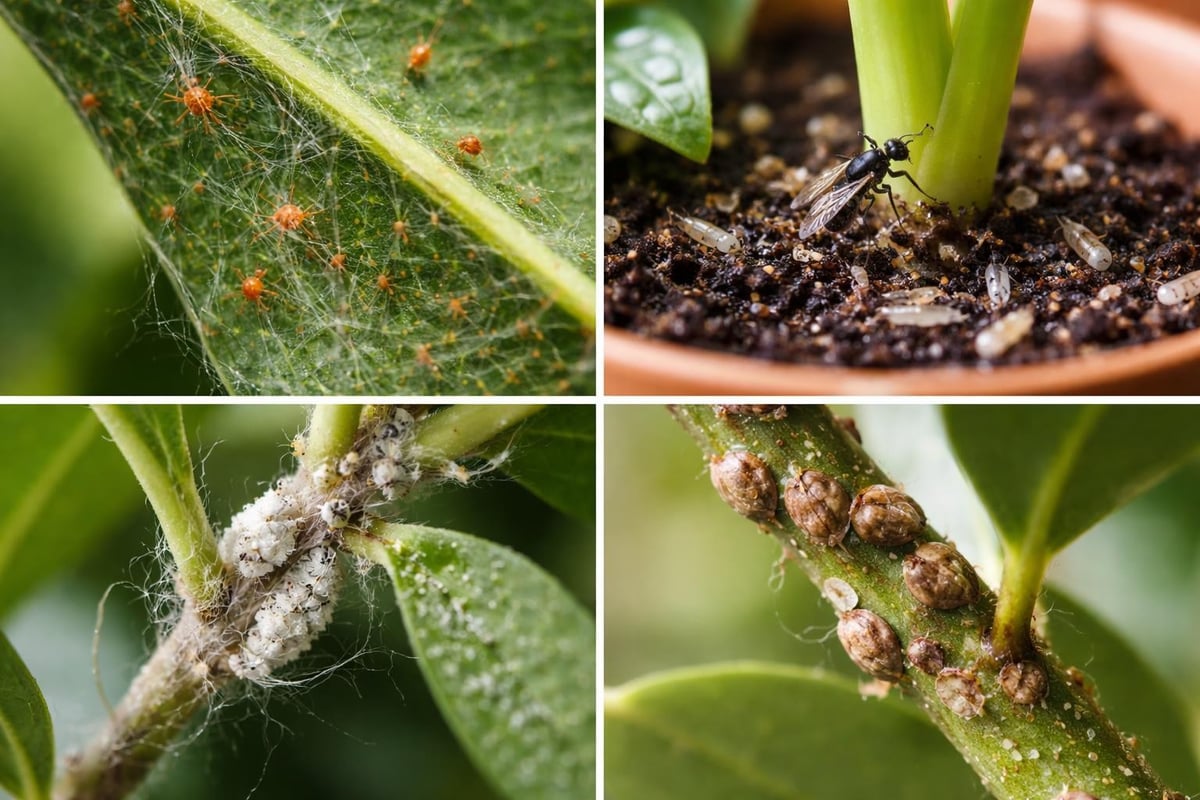
| Pest Type | Appearance | Damage Signs | Treatment |
|---|---|---|---|
| Spider mites | Tiny red/brown dots | Yellow stippling, webbing | Spray with water, neem oil |
| Fungus gnats | Small black flies | Larvae in soil, adult flies | Reduce watering, sticky traps |
| Mealybugs | White cottony masses | Stunted growth, honeydew | Alcohol swabs, insecticidal soap |
| Scale insects | Brown bumps on stems | Yellow leaves, sticky residue | Manual removal, horticultural oil |
Isolate affected plants immediately to prevent pest spread throughout your collection. The houseplant MOT checklist recommends quarterly thorough inspections as preventive maintenance.
Creating Optimal Humidity Environments
Many popular houseplants originate from tropical regions where humidity levels consistently exceed 60%. Standard home environments typically maintain only 30-40% humidity, particularly during winter heating seasons.
An effective indoor plant caretaker recognizes humidity deficiencies and implements solutions. Group plants together to create localized humidity zones through collective transpiration. Place plants on pebble trays filled with water, ensuring pot bottoms sit above the waterline. Run humidifiers near plant collections, targeting 50-60% relative humidity for tropical species.
Humidity-loving plants include:
- Ferns (Boston, maidenhair, bird's nest)
- Calatheas and prayer plants
- Orchids and bromeliads
- Anthuriums and philodendrons
Pet-friendly plants often require specific humidity levels, so verify both safety and environmental requirements when selecting new additions.
Developing Effective Repotting Strategies
Root-bound plants exhibit slowed growth, rapid soil drying, and roots circling the pot's perimeter or emerging from drainage holes. Most houseplants require repotting every 18-24 months, though fast-growers like pothos may need annual container upgrades.
Step-by-Step Repotting Process
- Select appropriate container: Choose a pot 1-2 inches larger in diameter with drainage holes
- Prepare fresh potting mix: Use species-appropriate soil formulations
- Remove plant carefully: Tap pot sides, supporting the stem base during extraction
- Inspect root system: Trim dead, mushy, or circling roots with clean shears
- Position in new pot: Add soil beneath roots, center plant, fill sides evenly
- Water thoroughly: Settle soil around roots, eliminating air pockets
- Monitor recovery: Expect temporary adjustment period of 1-2 weeks
The indoor gardening guide emphasizes using quality potting mix rather than garden soil, which compacts in containers and restricts drainage.
Building Consistent Care Routines
Consistency separates successful indoor plant caretaker practices from haphazard approaches. Establish weekly check-in routines that include watering assessment, visual health inspections, and minor maintenance tasks.
Weekly care checklist:
- Check soil moisture in all plants
- Rotate pots 90 degrees for even growth
- Remove dead leaves and spent flowers
- Inspect for pest activity
- Wipe down dusty foliage
Monthly care tasks:
- Clean leaves thoroughly
- Check for root-bound conditions
- Adjust plant positions based on seasonal light changes
- Apply fertilizer during growing season
If you're just starting your plant collection, explore easy-care plants that tolerate occasional care inconsistencies while you develop your routines.
Troubleshooting Common Plant Problems
Even experienced indoor plant caretaker professionals encounter issues. Developing diagnostic skills helps identify problems early when interventions prove most effective.
Yellow leaves might indicate overwatering, nutrient deficiency, or natural aging. Location matters: lower leaves yellowing suggests normal senescence, while widespread yellowing points to systemic problems. Brown leaf tips typically result from low humidity, fluoride in tap water, or salt buildup from over-fertilization.
Drooping plants signal either underwatering or overwatering. Check soil moisture to distinguish between these opposite problems. Wilting with dry soil requires immediate watering. Wilting with wet soil indicates root rot requiring immediate repotting and root pruning.
Addressing Environmental Stress
Temperature fluctuations, drafts from heating vents or air conditioners, and proximity to cold windows during winter all stress indoor plants. Low-light plants prove more forgiving of environmental variations, making them excellent choices for challenging locations.
Position plants away from temperature extremes. Maintain consistent environments between 65-75°F for most tropical houseplants. Avoid placing plants directly above radiators or in the path of cold drafts from doors or windows.
Selecting Plants That Match Your Care Capacity
Honest self-assessment determines indoor plant caretaker success more than botanical knowledge. Frequent travelers benefit from drought-tolerant species like snake plants and ZZ plants. Busy professionals appreciate office plants that thrive with weekly attention. Dedicated enthusiasts enjoy high-maintenance varieties requiring daily misting and precise care.
The plant quiz helps match plants to your lifestyle, experience level, and home conditions. Starting with appropriate species builds confidence and establishes successful patterns before progressing to more demanding varieties.
Beginner-friendly options include:
- Pothos (tolerates neglect and low light)
- Snake plants (drought-tolerant, air-purifying)
- Spider plants (resilient, produces plantlets)
- Philodendrons (fast-growing, forgiving)
Expanding Your Plant Knowledge Continuously
The most effective indoor plant caretaker never stops learning. Join online plant communities, follow horticultural experts, and experiment with new species gradually. Document your successes and failures to identify patterns specific to your home environment.
Photography tracks plant progress over time. Monthly photos reveal subtle growth changes and help identify declining health before visible symptoms become severe. Compare current plant appearance to earlier images when diagnosing problems.
Research scientific names rather than relying solely on common names. Many plants share common names, causing confusion when seeking care information. Scientific binomial nomenclature ensures you access accurate, species-specific guidance. For additional resources, visit the plant care blog for detailed guides on specific species and troubleshooting techniques.
Mastering indoor plant care transforms your living space into a thriving green sanctuary while developing valuable horticultural skills. Success comes from understanding individual plant needs, maintaining consistent care routines, and adjusting practices seasonally. Whether you're starting your first collection or expanding an existing jungle, Divine Roots delivers healthy, greenhouse-grown plants with expert care guidance to support your journey as a confident indoor plant caretaker.
🌿 Related Reading
Share