

How to Kill Fungus Gnat Larvae in Your Indoor Plants
Finding tiny flying insects around your beloved houseplants can be frustrating, but the real damage happens beneath the soil surface. Fungus gnat larvae feed on organic matter and delicate root hairs, potentially stunting plant growth and weakening your indoor garden. These translucent, worm-like creatures thrive in consistently moist potting soil, making them a common challenge for plant enthusiasts who care deeply about their green companions. Understanding how to effectively eliminate these pests while protecting your plants requires a strategic approach that addresses both the visible adults and the hidden larvae population. Whether you're nurturing a collection from Divine Roots or cultivating your own indoor oasis, learning to combat fungus gnat infestations will help ensure your plants remain healthy and vibrant throughout the year.
Understanding Fungus Gnat Larvae Biology
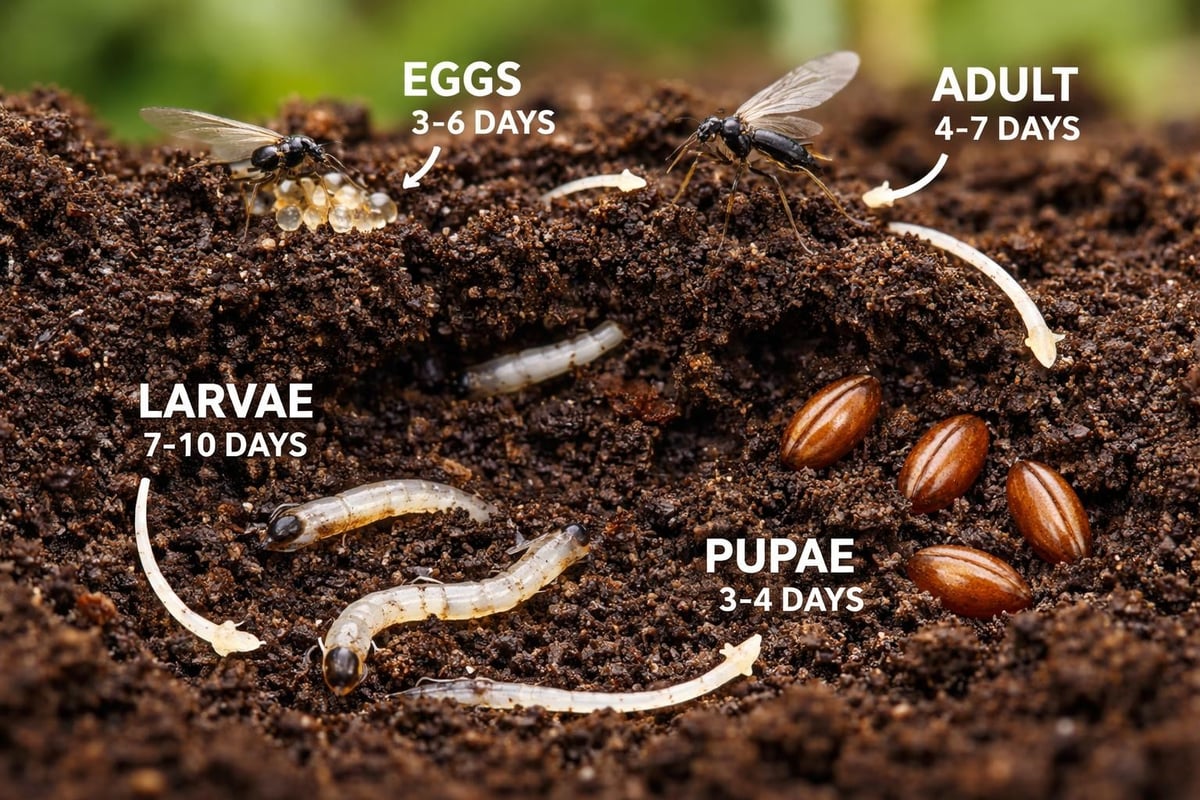
Before you can effectively kill fungus gnat larvae, you need to understand their lifecycle and behavior patterns. Adult fungus gnats live for approximately one week, during which females lay up to 300 eggs in moist soil rich in organic matter. These eggs hatch within four to six days, releasing hungry larvae that immediately begin feeding.
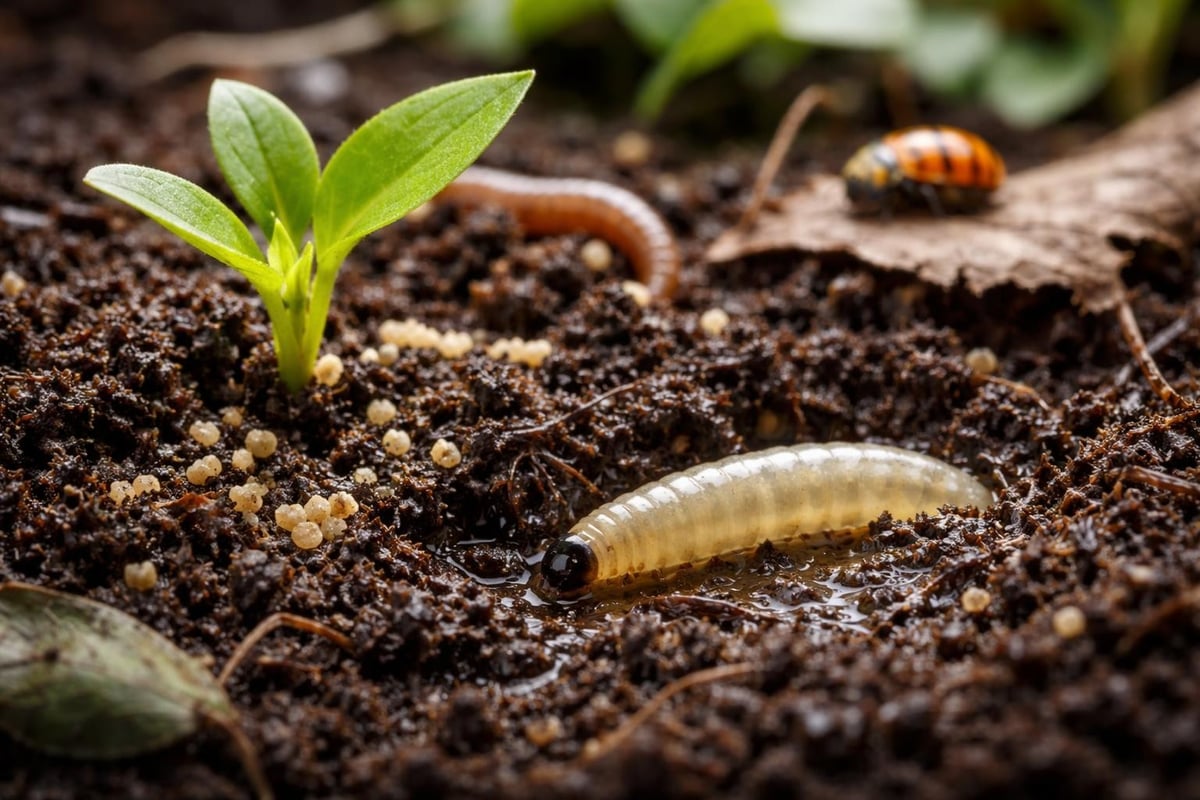
The larval stage lasts roughly two weeks under ideal conditions. During this period, the translucent white larvae with distinctive black head capsules consume decaying plant material, fungi, and tender root tissues. They thrive in the top two to three inches of soil where moisture and organic content are highest.
Why Larvae Pose the Greatest Threat
While adult gnats are primarily nuisances, larvae represent the actual danger to plant health. Their feeding activity damages root systems, creating entry points for bacterial and fungal diseases. Young seedlings and newly propagated cuttings are especially vulnerable to larval damage affecting their root development.
Key indicators of larvae presence include:
- Slow or stunted plant growth despite proper care
- Yellowing leaves without obvious nutritional deficiencies
- Wilting plants in consistently moist soil
- Visible larvae when soil is disturbed
- Multiple adult gnats hovering near soil surface
Understanding these signs helps you intervene before populations explode and cause serious damage to your indoor garden.
Soil Moisture Management as Primary Defense
The single most effective strategy to kill fungus gnat larvae involves controlling soil moisture levels. These pests cannot survive in dry conditions, making water management your first line of defense against infestations.
Allow the top two inches of soil to dry completely between waterings. This practice disrupts the larvae's habitat and prevents eggs from hatching successfully. For most houseplants, this adjustment won't cause harm and actually promotes healthier root development.
Watering Techniques That Prevent Larvae Establishment
Implement bottom watering for particularly susceptible plants. Place pots in trays of water and allow soil to absorb moisture from drainage holes. This keeps the top layer dry while ensuring roots receive adequate hydration.
Benefits of modified watering practices:
- Eliminates moist surface layer where eggs are laid
- Reduces organic matter decomposition that feeds larvae
- Encourages deeper root growth
- Prevents fungal growth that attracts adult gnats
- Creates inhospitable environment for larvae survival
Consider adding a layer of sand, gravel, or decorative stones on top of your soil. This barrier dries quickly and discourages females from laying eggs while maintaining aesthetic appeal for your air-purifying indoor plants.
Biological Control Methods
Bacillus thuringiensis israelensis (Bti) provides one of the safest and most effective solutions to kill fungus gnat larvae without harming plants, pets, or beneficial organisms. This naturally occurring bacterium specifically targets dipteran larvae, including fungus gnats and mosquitoes.
Available as mosquito dunks or bits, Bti releases proteins that destroy larvae digestive systems when ingested. Using mosquito dunks containing Bti offers an affordable, organic approach to larvae elimination.
| Treatment Method | Application | Effectiveness | Safety Rating | Cost |
|---|---|---|---|---|
| Bti Dunks | Soak in water, apply to soil | 90-95% | Excellent | Low |
| Bti Granules | Sprinkle on soil surface | 85-90% | Excellent | Low |
| Hydrogen Peroxide | Dilute and drench soil | 70-80% | Good | Very Low |
| Neem Oil Drench | Mix with water, apply to soil | 60-70% | Good | Medium |
How to Apply Bti Treatments
Break mosquito dunks into quarters and soak in water for 30 minutes. Use this treated water for regular irrigation, ensuring the entire root zone receives exposure to Bti. Repeat applications every two to three weeks to target newly hatched larvae.
For faster action, sprinkle Bti granules directly onto soil surface and water thoroughly. The bacteria activate immediately upon contact with moisture and begin working within hours.
Chemical and Natural Soil Drenches
Hydrogen peroxide provides a quick-acting solution to kill fungus gnat larvae while adding oxygen to soil. Mix one part 3% hydrogen peroxide with four parts water and thoroughly drench affected soil. The solution kills larvae on contact through oxidation while breaking down into harmless water and oxygen.
This treatment works best for severe infestations requiring immediate intervention. However, it also eliminates beneficial microorganisms, so use sparingly and consider reintroducing beneficial bacteria afterward.
Diatomaceous Earth Application
Food-grade diatomaceous earth (DE) creates a physical barrier that kills larvae through abrasion and dehydration. Sprinkle a quarter-inch layer across the soil surface and lightly mix into the top layer. DE's microscopic sharp edges damage larvae exoskeletons while remaining completely non-toxic to plants and animals.
Application guidelines for maximum effectiveness:
- Apply to completely dry soil for best results
- Wear a mask during application to avoid inhaling dust
- Reapply after watering or when top layer becomes moist
- Maintain layer thickness for continuous protection
- Combine with moisture management for comprehensive control
The challenge with DE involves its effectiveness diminishing when wet, requiring reapplication after each watering cycle.
Integrated Pest Management Strategies
Successful larvae elimination requires combining multiple approaches for comprehensive control. Adult trapping prevents new egg laying while soil treatments target existing larvae populations. This two-pronged strategy breaks the reproductive cycle effectively.
Yellow sticky traps positioned near soil level capture adult gnats before they reproduce. Creating DIY traps with water, vinegar, and dish soap provides an inexpensive supplementary control method that reduces adult populations significantly.
Repotting Severely Infested Plants
When populations reach overwhelming levels, complete soil replacement offers the most thorough solution. Carefully remove plants from containers, gently wash roots to remove infested soil, and repot in fresh, sterile potting mix. This drastic measure eliminates all life stages simultaneously.
Inspect roots during repotting for damage. Trim any soft, brown, or damaged sections with sterilized scissors. This prevents disease and encourages healthy new growth after replanting.
Preventive Measures for Long-Term Control
Prevention remains more effective than treatment when managing fungus gnat populations. Implementing smart cultural practices from the start protects your collection without requiring constant intervention.
Always use high-quality, sterile potting soil for new plants and repotting projects. Cheap soil mixes often contain excessive organic matter and arrive pre-infested with eggs or larvae. Fresh easy-care plants deserve clean growing media for optimal establishment.
Essential prevention strategies include:
- Quarantine new plants for two weeks before introducing to your collection
- Remove dead leaves, flowers, and debris from soil surface promptly
- Ensure all containers have adequate drainage holes
- Avoid using outdoor garden soil for indoor plants
- Clean pots thoroughly before reusing for new plants
- Monitor soil moisture with your finger before watering
Soil Amendment Considerations
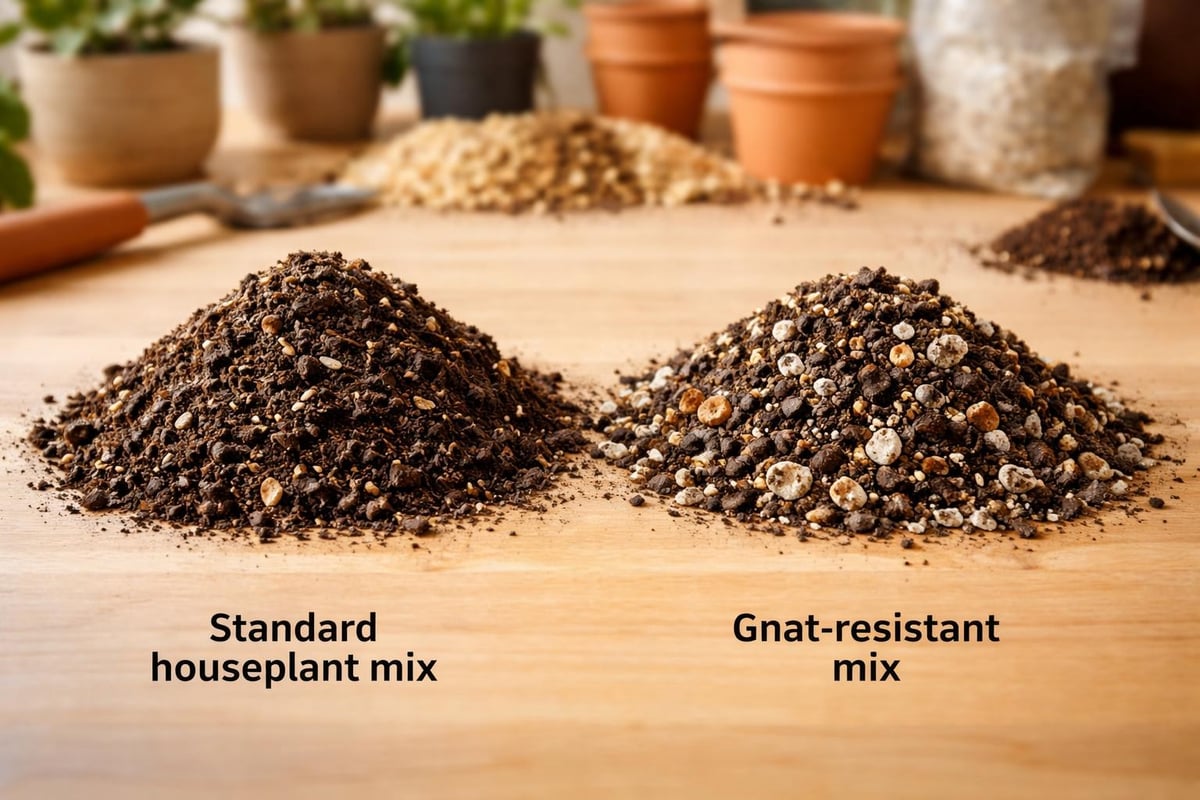
Consider adding perlite or coarse sand to potting mixes to improve drainage and reduce moisture retention in the top layer. This modification creates less hospitable conditions for egg laying and larvae development without compromising plant health.
For succulents and drought-tolerant plants, increase the proportion of inorganic materials to 40-50% of total mix volume. These plants naturally prefer drier conditions that inherently discourage fungus gnat establishment.
Monitoring and Early Detection
Regular inspection of your plant collection enables early intervention before minor issues become major infestations. Develop a weekly routine that includes checking soil moisture, examining foliage, and looking for adult gnat activity.
Place a potato slice on the soil surface overnight to test for larvae presence. Check it the next morning; if larvae have gathered to feed, you have confirmation of an active infestation requiring immediate attention. This simple diagnostic test costs nothing and provides definitive results.
| Monitoring Method | Frequency | Detection Stage | Action Threshold |
|---|---|---|---|
| Visual Inspection | Weekly | Adults, larvae | 1-2 adults seen |
| Sticky Traps | Continuous | Adults only | 5+ per trap weekly |
| Potato Test | Monthly | Larvae only | Any larvae present |
| Soil Check | Every watering | Eggs, larvae | Visible in top inch |
Seasonal Awareness
Fungus gnat activity increases during fall and winter when indoor heating creates ideal conditions. Reduced air circulation and increased watering frequency for humidity-stressed plants compound the problem. During these months, intensify monitoring efforts and maintain stricter moisture control.
Spring presents another high-risk period as gardeners bring outdoor plants inside and start seed propagation projects. Special care for seedlings prevents devastating losses during this vulnerable growth stage.
Treatment Timing and Application Schedules
Consistency determines treatment success when working to kill fungus gnat larvae. Single applications rarely eliminate entire populations due to the continuous lifecycle of overlapping generations. Plan for sustained intervention over four to six weeks to break the reproductive cycle completely.
Apply Bti treatments every 10-14 days for three consecutive cycles. This schedule ensures newly hatched larvae encounter the bacteria before reaching reproductive maturity. Mark your calendar to maintain consistent timing rather than relying on memory.
Combining Treatment Methods
Layer multiple control strategies for maximum impact. Use Bti for soil treatment, sticky traps for adult capture, and improved cultural practices for prevention. This integrated approach addresses all life stages simultaneously.
Sample treatment schedule:
- Week 1: Apply Bti drench, install sticky traps, adjust watering schedule
- Week 2: Apply diatomaceous earth to dry soil surface, remove trap catches
- Week 3: Second Bti application, continue moisture management
- Week 4: Evaluate population levels, apply hydrogen peroxide if needed
- Week 5: Third Bti application, replace sticky traps
- Week 6: Final assessment and transition to prevention mode
Document your treatments and observations in a plant journal. This record helps identify which methods work best for your specific conditions and collection.
Special Considerations for Different Plant Types
Different plant species require modified approaches to larvae control based on their water needs and soil preferences. Pet-friendly plants demand extra caution when selecting chemical treatments, even though most organic options pose minimal risk.
Moisture-loving plants like ferns and peace lilies present challenges since their care requirements align with gnat preferences. For these specimens, focus on Bti treatments and adult trapping rather than allowing soil to dry extensively. Bottom watering helps maintain the moisture these plants need while keeping surfaces drier.
Cacti and succulents naturally resist fungus gnats due to their dry soil requirements. If infestations occur in these plants, underlying overwatering issues likely exist. Address watering practices first, then treat remaining larvae with standard methods.
Seedlings and Propagations
Young plants face greatest vulnerability to larvae damage since their root systems lack the resilience of mature specimens. When starting seeds or rooting cuttings, preventively treat soil with Bti before planting. Cover germination containers with fine mesh to exclude adult gnats while maintaining air circulation.
For more guidance on maintaining healthy plants throughout their lifecycle, explore plant care resources that address various growth stages and common challenges.
Environmental Modifications
Beyond direct treatment methods, adjusting your growing environment creates conditions that naturally suppress gnat populations. Improved air circulation reduces the humid, stagnant conditions adults prefer for breeding. Position oscillating fans to move air gently across plant canopies without causing desiccation stress.
Reduce ambient humidity levels if possible without compromising plant health. Most houseplants tolerate 40-50% relative humidity comfortably, while fungus gnats prefer levels above 60%. This modest reduction creates less favorable conditions without requiring extreme measures.
Environmental controls that discourage infestations:
- Increase spacing between plants for better air movement
- Use dehumidifiers in particularly humid rooms
- Open windows periodically for fresh air exchange when weather permits
- Avoid grouping too many plants in enclosed spaces
- Clean up spills immediately to prevent moisture accumulation
- Store bags of potting soil in sealed containers
These modifications complement direct treatments and help maintain gnat-free conditions long-term without constant intervention.
Recognizing Treatment Success
Successful larvae elimination manifests through both direct and indirect indicators. Adult gnat sightings should decrease noticeably within one week of beginning comprehensive treatment. Sticky trap catches provide quantifiable evidence of population decline.
Plant health improvements take longer to observe since damaged roots require time to regenerate. Within three to four weeks, previously stunted plants should resume normal growth patterns. New foliage should emerge with healthy coloration and vigor.
Conduct a final potato test four weeks after initial treatment. If no larvae appear after overnight exposure, your intervention succeeded. Continue preventive practices to avoid reintroduction from new plants or contaminated soil.
Successfully managing fungus gnat larvae requires understanding their biology, implementing multiple control methods, and maintaining consistent prevention practices. By combining moisture management, biological controls, and environmental modifications, you can protect your indoor garden from these destructive pests while keeping plants healthy and thriving. Whether you're cultivating a single specimen or maintaining an extensive collection, Divine Roots provides the quality plants and expert guidance you need to build a resilient, pest-free indoor garden that brings joy for years to come.
🌿 Related Reading
- Indoor Plants Complete Guide
- How to Repot a Houseplant
- How to Care for Pothos
- How to Care for Peace Lily
- How to Care for Fittonia
About the author
Written and reviewed by Robert, Founder of Divine Roots — he grows, propagates and ships the plants we sell, and the care advice here reflects what actually works in our own greenhouse.
Frequently Asked Questions
What kills fungus gnat larvae in soil?
Bacillus thuringiensis israelensis, sold as mosquito bits or dunks, is the most effective treatment. Steep it in water and use that water for a few consecutive waterings. Hydrogen peroxide diluted one part to four parts water also kills larvae on contact but does not persist.
How long does it take to get rid of fungus gnats?
Expect three to four weeks of consistent treatment. The life cycle runs about three to four weeks, so you must break several overlapping generations. Combining BTI soil drenches, sticky traps for adults, and letting the top layer of soil dry out is what ends it.
Does letting soil dry out kill fungus gnat larvae?
Largely yes. Larvae live in the top one to two inches and need constant moisture, so letting that layer dry between waterings kills most of them and stops adults laying. It is slower than BTI on its own and impractical for moisture-loving ferns and calatheas.
Do fungus gnats damage plants?
Adults are harmless, but heavy larval infestations feed on fine root hairs and can stunt seedlings and weakly rooted cuttings. Mature houseplants usually shrug them off. The bigger problem is the population explosion, since one female lays up to two hundred eggs.
Will repotting get rid of fungus gnats?
It helps but rarely finishes the job alone, because larvae and eggs cling to the old rootball. If you repot, remove as much old soil as possible, use fresh sterile mix, and still run BTI drenches and sticky traps for a few weeks afterwards.
Does cinnamon or sand stop fungus gnats?
A half-inch top dressing of coarse sand or horticultural grit is genuinely useful, because it blocks adults reaching moist soil to lay eggs. Cinnamon has mild antifungal effects and may reduce the fungi larvae feed on, but it will not clear an established infestation.
Share