

Water Plants: Complete Guide to Hydration & Care
Understanding how to properly water plants represents one of the most essential skills for any indoor gardening enthusiast. Whether you're cultivating a collection of low-light plants or maintaining vibrant succulents, the ability to provide appropriate moisture levels directly impacts plant health, growth rates, and overall vitality. Many plant owners struggle with finding the right balance between underwatering and overwatering, which remains the leading cause of houseplant failure. This comprehensive guide explores proven strategies, timing considerations, and species-specific requirements that will transform your approach to plant hydration and help you build confidence in your indoor gardening practices.
Understanding Plant Water Requirements
Different plant species have evolved in diverse ecosystems, resulting in vastly different moisture needs. Tropical plants that originated in rainforest environments typically require consistent moisture and higher humidity levels, while desert-adapted succulents have developed mechanisms to store water and thrive with infrequent watering sessions.
The key to successful plant hydration lies in understanding these fundamental differences. Most indoor plants fall somewhere along a spectrum from moisture-loving to drought-tolerant, and recognizing where your specific plants sit on this continuum allows you to tailor your watering approach accordingly.
Factors Affecting Water Needs
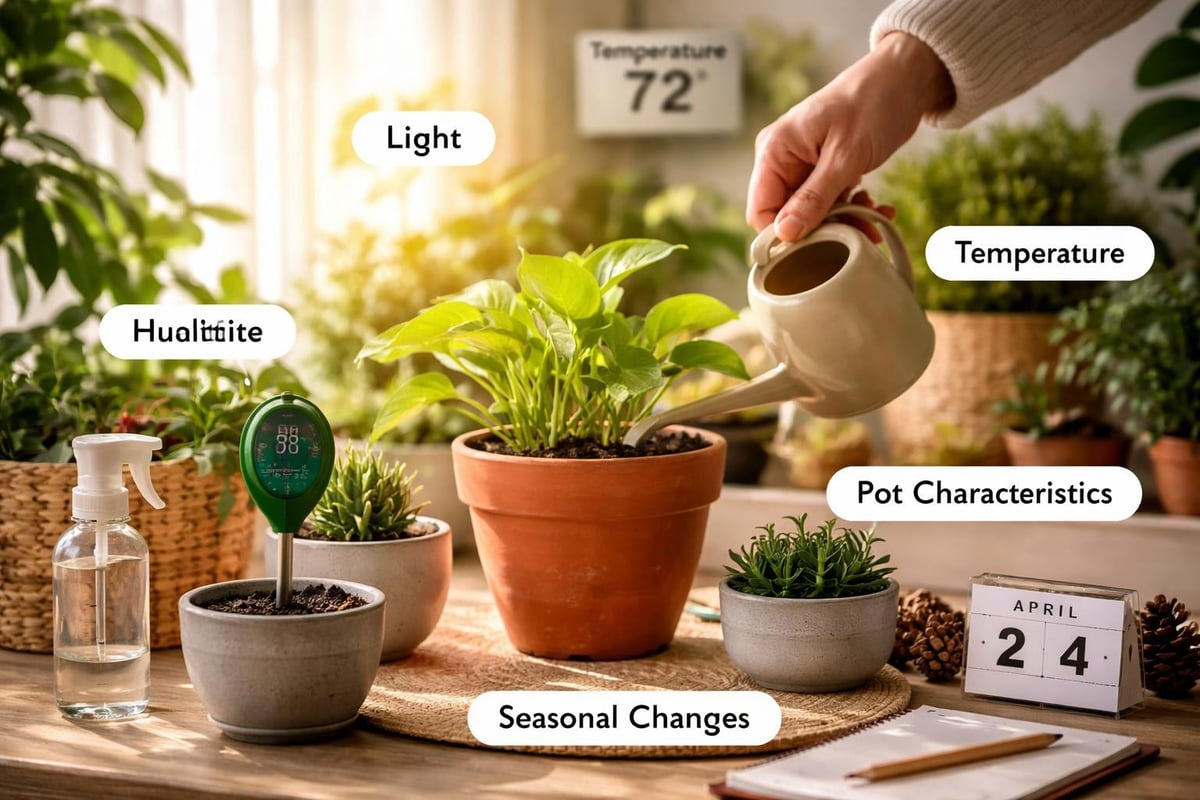
Several environmental and biological factors influence how quickly plants consume water and how often you need to water them:
- Light exposure levels directly correlate with water consumption rates
- Temperature fluctuations increase or decrease transpiration speeds
- Humidity percentages affect how quickly soil dries out
- Pot size and material impact moisture retention capabilities
- Soil composition determines drainage and water-holding capacity
- Plant size and growth stage influence overall water demands
Seasonal variations also play a significant role in water requirements. During spring and summer, most plants enter active growth phases and consume substantially more water than during fall and winter dormancy periods. Research on neurophysiological benefits shows that engaging mindfully with watering routines can enhance both plant health and human well-being.
Essential Watering Techniques
Mastering proper watering techniques prevents common problems like root rot, nutrient deficiencies, and stunted growth. The bottom-watering method involves placing pots in trays of water, allowing roots to absorb moisture from drainage holes upward. This technique encourages deep root development and reduces the risk of fungal issues on leaf surfaces.
Top-watering remains the most common approach for most houseplants. Pour water evenly across the soil surface until it drains from the bottom holes, ensuring complete saturation of the root zone. Always use room-temperature water to avoid shocking delicate root systems.
Advanced Hydration Strategies
| Technique | Best For | Key Benefits |
|---|---|---|
| Deep Soaking | Drought-tolerant plants | Encourages deep roots, reduces frequency |
| Misting | Humidity-loving species | Increases ambient moisture, cleans leaves |
| Self-watering Systems | Consistent-moisture plants | Maintains steady hydration, reduces effort |
| Ice Cube Method | Small potted plants | Slow release, prevents overwatering |
The Woodlands watering guide emphasizes the importance of checking soil moisture before each watering session rather than adhering to rigid schedules. Insert your finger two inches into the soil; if it feels dry at that depth, most plants are ready for water.
Creating Effective Watering Schedules
Developing personalized watering schedules requires observation and adjustment based on plant responses. Start by grouping plants with similar water requirements together, making routine care more efficient and reducing the likelihood of watering errors.
Weekly schedule framework for common indoor plants:
- Monday: Water moisture-loving tropical varieties and ferns
- Wednesday: Check and water medium-moisture plants as needed
- Friday: Assess all plants, water those showing dryness
- Weekend: Water succulents and cacti (bi-weekly or monthly)
Many easy-care plants adapt well to consistent weekly watering routines, though individual adjustments remain necessary based on your specific home environment.
Seasonal Adjustment Guidelines
Winter watering frequencies typically decrease by 30-50% compared to summer peaks. Reduced daylight hours and lower temperatures slow plant metabolism and water consumption dramatically. Conversely, air conditioning and heating systems can create unexpectedly dry conditions that require monitoring.
Watch for these signs that indicate your watering schedule needs adjustment:
- Yellowing leaves suggesting overwatering
- Crispy, brown leaf edges indicating underwatering
- Wilting despite moist soil pointing to root problems
- Rapid soil drying requiring more frequent sessions
Species-Specific Water Requirements
Understanding the unique needs of different plant categories helps prevent the most common watering mistakes. Pet-friendly plants span various watering requirements, so research individual species rather than assuming all safe plants share identical needs.
High-Moisture Plants
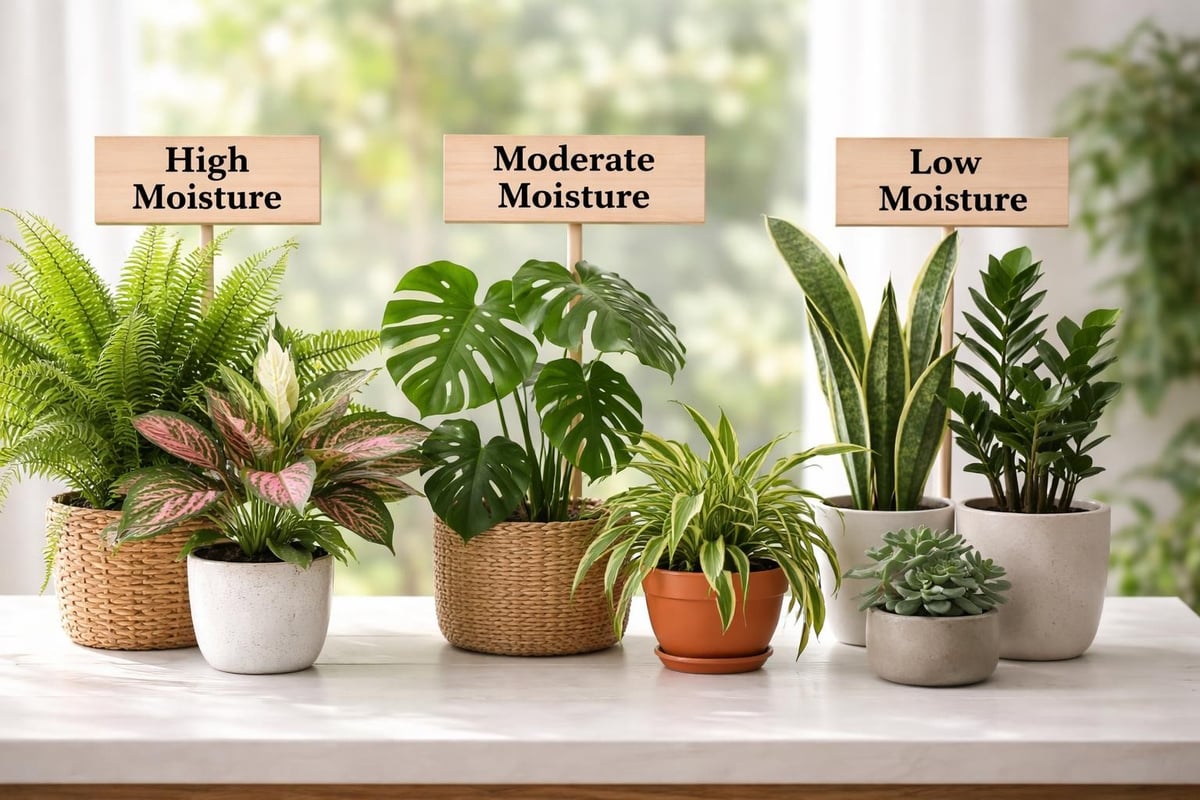
Tropical varieties including peace lilies, calatheas, and Boston ferns thrive with consistently moist (not waterlogged) soil. These plants typically require watering 2-3 times weekly during active growth periods. Their natural habitats featured constant moisture availability, making them sensitive to drought stress.
Never allow the soil of moisture-loving plants to dry out completely between watering sessions. However, ensure proper drainage to prevent standing water, which can suffocate roots even in water-loving species.
Moderate-Moisture Plants
The majority of common houseplants fall into this category, including pothos, philodendrons, and spider plants. According to Gardening Know How's spider plant care guide, these adaptable plants prefer soil that dries slightly between waterings but shouldn't remain bone-dry for extended periods.
Water moderate-moisture plants when the top 1-2 inches of soil feel dry to the touch. This typically translates to weekly watering during growing seasons and every 10-14 days during winter months.
Low-Moisture Succulents and Cacti
Succulents store water in their leaves and stems, requiring infrequent but thorough watering. Allow soil to dry completely between sessions, then water deeply until drainage occurs. Overwatering succulents leads to rot faster than any other issue.
During winter dormancy, reduce watering to once monthly or even less frequently for established cacti. These resilient plants evolved to survive extended drought periods and actually benefit from occasional water stress.
Common Watering Mistakes to Avoid
Even experienced plant enthusiasts occasionally fall into watering traps that compromise plant health. Tom's Guide identifies nine critical care habits that commonly damage houseplants, with improper watering topping the list.
Top mistakes that harm water plants:
- Using ice-cold water directly from the tap
- Watering on a fixed schedule regardless of actual needs
- Allowing plants to sit in drainage saucers full of water
- Watering only the soil surface without achieving root penetration
- Neglecting to adjust frequency based on seasonal changes
- Ignoring drainage hole functionality and soil quality
The misconception that all plants need daily watering causes more plant deaths than underwatering. Most indoor plants actually prefer periods of slight dryness between waterings, which encourages healthy root development and prevents anaerobic soil conditions.
Recognizing Water Quality Issues
Tap water quality varies significantly by region and can impact plant health over time. High chlorine, fluoride, or mineral content may cause leaf tip browning or salt buildup in soil. Consider these water quality solutions:
| Issue | Solution | Implementation |
|---|---|---|
| Chlorine | Let water sit 24 hours | Fill watering cans the day before |
| Hard water minerals | Use filtered or rainwater | Install basic carbon filter |
| Fluoride sensitivity | Switch to distilled water | Purchase for sensitive species only |
| Cold temperature | Bring to room temp | Keep filled containers indoors |
Tools and Technology for Better Watering
Modern gardening tools remove much of the guesswork from plant hydration. Moisture meters provide accurate readings of soil wetness at root depth, eliminating the need for finger-testing and reducing overwatering incidents substantially.
Self-watering planters feature built-in reservoirs that supply consistent moisture through wicking mechanisms. These systems work exceptionally well for air-purifying plants that prefer steady moisture levels without waterlogging.
Smart Watering Solutions
Technology integration has revolutionized how we water plants in 2026. App-connected moisture sensors send notifications when specific plants need water, while some systems even deliver precise amounts automatically. These innovations prove particularly valuable for busy professionals managing larger plant collections.
Traditional watering cans with long, narrow spouts remain essential for reaching hanging plants and delivering water beneath foliage canopies. Choose cans with 1-2 gallon capacity for balanced weight distribution and comfortable handling during extended watering sessions.
Environmental Considerations and Water Conservation
Sustainable watering practices benefit both your plants and the environment. Collecting rainwater provides naturally soft, chemical-free moisture ideal for sensitive species. Simple rain barrel systems capture roof runoff for later use, reducing municipal water consumption while improving plant health.
The ecological value of aquatic plants in natural water systems demonstrates how plants interact with water in beneficial ways. Similarly, freshwater plant research shows how aquatic species contribute to water quality, while studies on water quality improvement reveal plants' natural filtration capabilities.
Reusing household water offers another conservation opportunity. Cooled pasta water, leftover tea, or aquarium water contains beneficial nutrients that support plant growth. Avoid reusing water containing soaps, oils, or high salt content.
Water conservation strategies for indoor gardeners:
- Group plants with similar needs to reduce water waste
- Apply mulch to soil surfaces to slow evaporation
- Choose appropriate pot sizes to prevent excess soil drying
- Install drip irrigation for larger collections
- Monitor weather patterns to reduce watering during humid periods
Troubleshooting Hydration Problems
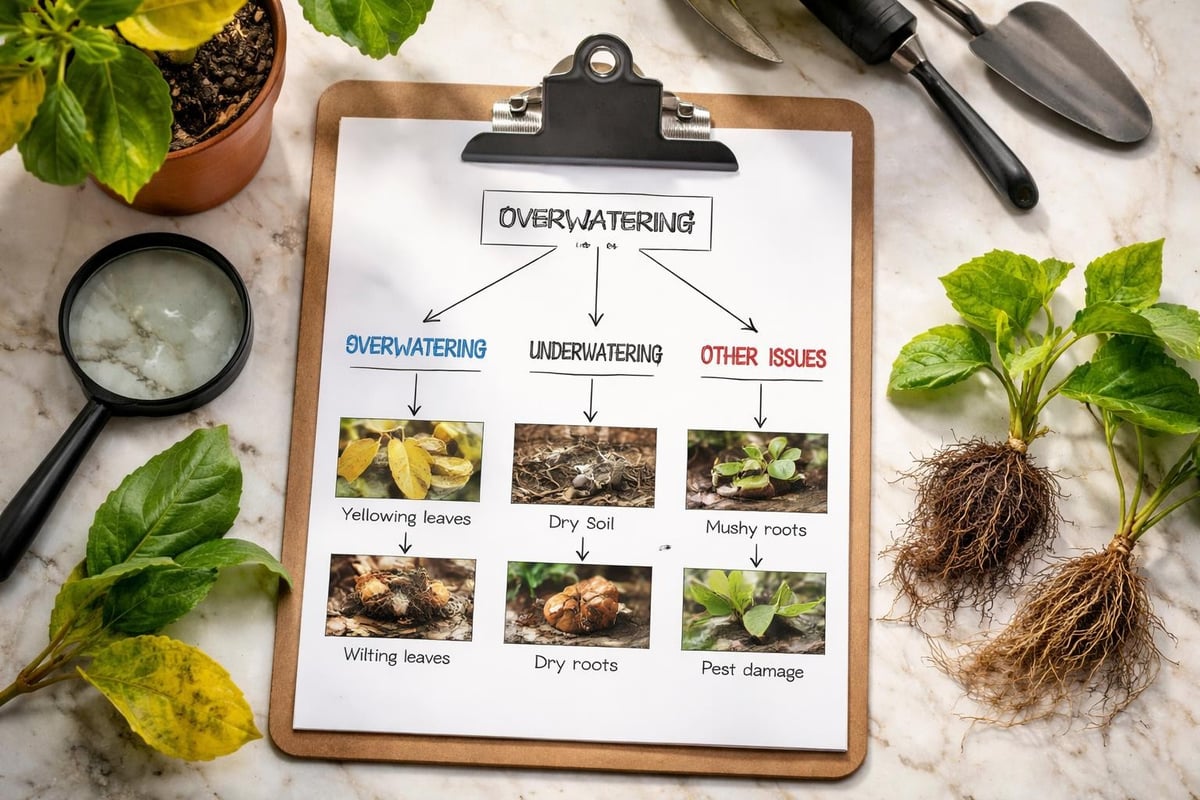
Diagnosing water-related issues requires careful observation of multiple symptoms. Overwatered plants often display yellowing lower leaves, mushy stems, and soil that smells sour or moldy. If you suspect overwatering, immediately reduce frequency and improve drainage conditions.
Underwatered plants show crispy leaf edges, dropping foliage, and soil that pulls away from pot edges. Resume regular watering gradually rather than flooding drought-stressed plants, which can shock already compromised root systems.
Recovery Protocols
When plants suffer from watering mistakes, swift action minimizes permanent damage:
- For overwatered plants: Remove from soggy soil, trim rotted roots, repot in fresh, well-draining mix
- For underwatered plants: Water thoroughly, then maintain consistent moisture without overcompensating
- For root damage: Reduce canopy size to match diminished root capacity during recovery
Healthy roots appear white or tan with firm texture. Dark, mushy, or foul-smelling roots indicate rot requiring immediate intervention. Sometimes severely damaged plants can be propagated from healthy stem cuttings to salvage the species.
Building Long-Term Watering Success
Consistent plant health emerges from developing intuitive understanding of your specific plants' needs rather than rigidly following generalized advice. Keep simple records noting watering dates and plant responses, identifying patterns that inform future care decisions.
Photography proves surprisingly helpful for tracking plant progress and water-related changes over time. Monthly photos reveal growth patterns and subtle symptoms that might otherwise go unnoticed until problems become severe.
The journey to master how to water plants continues throughout your gardening experience as you acquire new species, move to different environments, or expand your collection. Each plant teaches valuable lessons about hydration needs, drainage requirements, and environmental interactions.
Successful water management integrates knowledge, observation, and adaptation. As you develop expertise with your initial plants, gradually introduce more challenging species that expand your skills and confidence. The foundation built through mastering basic watering principles supports every aspect of plant care and creates the conditions for long-term success with even the most demanding varieties.
Mastering proper plant hydration techniques transforms your indoor gardening success and creates thriving green spaces throughout your home. Whether you're starting your first collection or expanding an established garden, Divine Roots offers expertly curated plants suited to every skill level and environment, shipped directly from our greenhouse with the care instructions you need to keep them flourishing. Our selection includes everything from resilient succulents to lush tropical varieties, each chosen for quality and backed by our commitment to helping you grow with confidence.
🌿 Related Reading
Share