

Cylinder Snake Plant: Care Guide for 2026
The cylinder snake plant stands out among houseplants with its distinctive tubular leaves that grow upright like natural sculptures. This striking member of the Sansevieria family brings architectural interest to any space while requiring minimal maintenance, making it an exceptional choice for both experienced plant enthusiasts and beginners. As indoor gardening continues to evolve in 2026, this resilient plant has earned its place as a must-have addition to modern homes and offices. Its ability to tolerate neglect while purifying air and adding vertical drama makes it particularly valuable for today's busy lifestyles.
Understanding the Cylinder Snake Plant's Unique Characteristics
The cylinder snake plant, scientifically known as Sansevieria cylindrica, differs dramatically from its flat-leaved cousin, the traditional snake plant. Its leaves grow in a cylindrical shape, creating smooth, tubular structures that can reach heights of three to four feet under optimal conditions.
Key identifying features include:
- Rounded, spear-like leaves with pointed tips
- Dark green coloring with lighter horizontal banding
- Upright growth pattern emerging from underground rhizomes
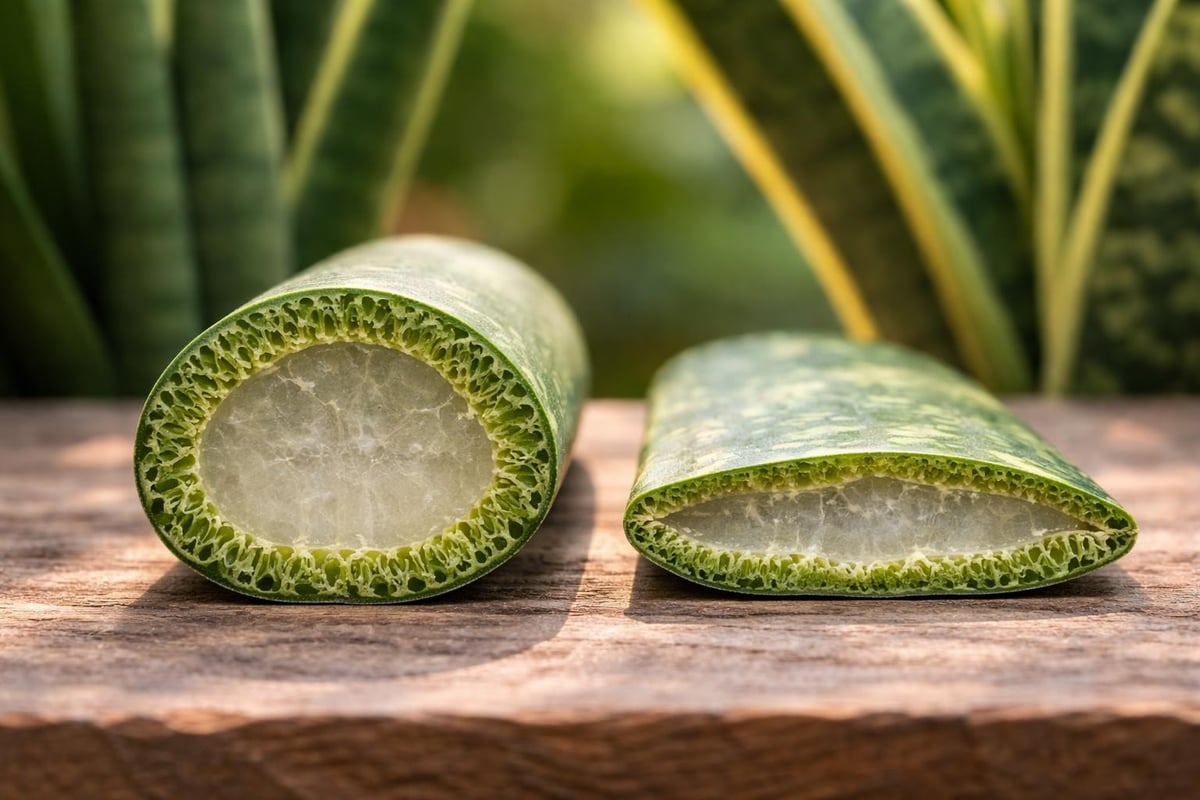
- Thick, succulent-like texture for water storage
- Architectural quality that serves as living sculpture
Native to Angola and other parts of Africa, this plant has adapted to survive in harsh, arid environments. These evolutionary traits translate perfectly to indoor growing conditions where occasional watering lapses won't cause significant damage. The cylindrical structure reduces surface area, minimizing water loss through transpiration.
Many growers appreciate how air-purifying plants like the cylinder snake plant contribute to healthier indoor environments. Research continues to support the air-cleaning capabilities of Sansevieria species, making them functional as well as decorative.
Growth Patterns and Natural Habitat
In its natural environment, the cylinder snake plant thrives in rocky, well-draining soils with minimal organic matter. Understanding these origins helps replicate successful growing conditions indoors. The plant spreads through underground rhizomes, gradually forming clumps that can be divided for propagation.
Growth rates remain moderate to slow, with plants typically producing two to three new leaves per year under ideal conditions. This slow growth pattern contributes to the plant's low-maintenance reputation, as it requires infrequent repotting and minimal intervention.
Essential Care Requirements for Thriving Plants
Proper care begins with understanding the cylinder snake plant's basic needs. While remarkably tolerant, providing optimal conditions ensures vigorous growth and long-term health.
Light Preferences and Placement
Cylinder snake plants demonstrate impressive flexibility regarding light requirements. They tolerate everything from bright indirect light to low-light conditions, though their growth rates vary accordingly.
| Light Condition | Growth Rate | Appearance | Best Placement |
|---|---|---|---|
| Bright Indirect | Fastest | Vibrant green with strong vertical growth | Near east or west windows |
| Medium Light | Moderate | Healthy appearance, steady growth | Interior rooms with ambient light |
| Low Light | Slowest | Slightly darker color, minimal new growth | Offices, bathrooms, hallways |
Positioning tips for success:
- Avoid direct afternoon sunlight, which can scorch cylindrical leaves
- Rotate the plant quarterly for even growth
- Place near windows with sheer curtains for filtered brightness
- Consider supplemental grow lights in windowless spaces
The plant's adaptability makes it perfect for low-light plants collections, thriving where many other species struggle. This versatility allows placement throughout homes and offices without compromising plant health.
Watering Strategies and Soil Requirements
The most common mistake with cylinder snake plants involves overwatering. These succulents store water in their tubular leaves and prefer to dry out between waterings. Detailed watering schedules vary based on environmental factors, but general guidelines help prevent common issues.
Watering frequency by season:
- Spring/Summer: Every 2-3 weeks when soil is completely dry
- Fall/Winter: Every 3-4 weeks, reducing frequency as growth slows
- High humidity environments: Less frequent watering needed
- Air-conditioned spaces: May require more consistent schedule
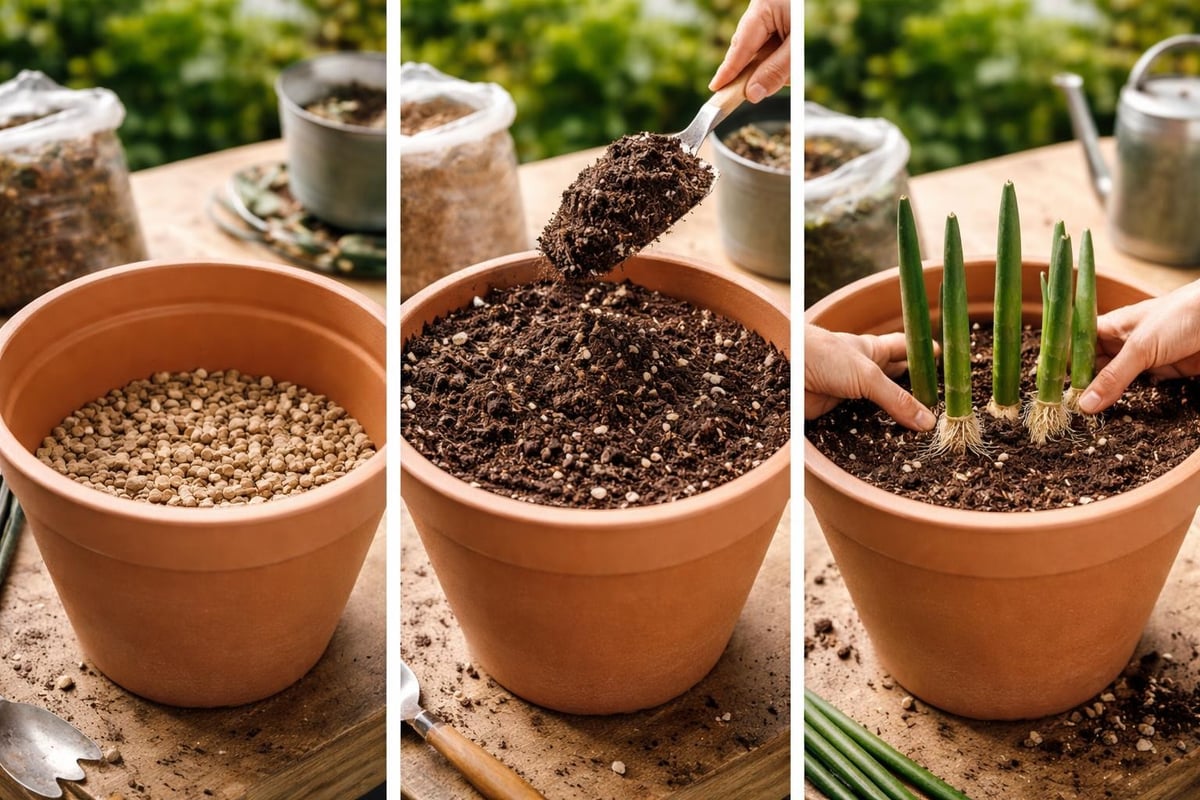
Soil composition plays a crucial role in preventing root rot. A well-draining mixture allows excess water to escape quickly, mimicking the rocky substrates of the plant's native habitat.
Recommended soil blend:
- 60% succulent or cactus potting mix
- 20% perlite or pumice
- 20% coarse sand
- Optional: Small amount of activated charcoal for freshness
The container must include drainage holes. Standing water creates anaerobic conditions that damage roots and promote fungal growth. Terra cotta pots offer additional moisture management through their porous walls.
Temperature and Environmental Preferences
Cylinder snake plants thrive in typical household temperature ranges, making them exceptionally adaptable to indoor environments. Understanding their environmental preferences helps optimize growing conditions throughout the year.
Ideal Temperature Ranges
These plants perform best between 60-85°F, tolerating brief temperature fluctuations outside this range. They cannot survive frost and should remain indoors when temperatures drop below 50°F. This makes them exclusively indoor plants for most of North America during winter months.
Temperature considerations:
- Avoid placement near heating vents or air conditioning units
- Protect from cold drafts near windows during winter
- Maintain consistent temperatures for optimal growth
- Watch for leaf discoloration indicating temperature stress
Humidity requirements remain minimal. Unlike tropical plants demanding high moisture levels, cylinder snake plants tolerate the dry air common in heated homes. Average household humidity between 30-50% proves sufficient, though they adapt to higher or lower levels without issue.
Seasonal Care Adjustments
Plant care naturally shifts with seasons. During spring and summer, active growth periods warrant more attention to watering and optional fertilization. As fall approaches and growth slows, reduce watering frequency and eliminate feeding.
Winter dormancy doesn't require special treatment beyond reduced watering. The plant continues photosynthesizing but channels less energy into new growth. This natural cycle shouldn't cause concern, as vigorous growth resumes when spring arrives.
Propagation Methods for Expanding Your Collection
Multiplying cylinder snake plants allows gardeners to expand their collections or share plants with friends. Several propagation techniques offer reliable results, each with specific advantages.
Division Method
Division represents the fastest, most reliable propagation approach. Mature plants with multiple growth points can be separated into individual sections, creating instant new plants that continue growing immediately.
Division process:
- Remove the plant from its container
- Gently separate rhizomes, ensuring each section has roots
- Allow cut surfaces to callus for 24 hours
- Plant divisions in fresh, well-draining soil
- Water lightly and wait one week before resuming normal care
This method preserves the cylindrical leaf characteristic, as divisions maintain the parent plant's genetic makeup exactly. New plants begin growing within weeks under proper conditions.
Leaf Cutting Propagation
Leaf cuttings offer an alternative propagation method, though results take longer to achieve. This technique works well for creating multiple plants from a single leaf, though patience is essential.
| Propagation Method | Timeline to New Plants | Success Rate | Best Season |
|---|---|---|---|
| Division | 2-4 weeks | 95%+ | Spring |
| Leaf cuttings in soil | 6-10 weeks | 70-80% | Spring/Summer |
| Leaf cuttings in water | 8-12 weeks | 60-70% | Spring/Summer |
| Rhizome sections | 3-6 weeks | 85-90% | Spring |
Leaf cutting steps:
- Select a healthy, mature leaf
- Cut into 3-4 inch sections with clean, sharp scissors
- Mark the bottom of each section to maintain proper orientation
- Allow cuttings to dry for 2-3 days
- Insert bottom inch into moist propagation medium
- Keep in bright, indirect light and wait patiently
New growth emerges from the base of cuttings after several weeks. These new shoots develop their own root systems, eventually becoming independent plants.
Fertilization and Nutrient Management
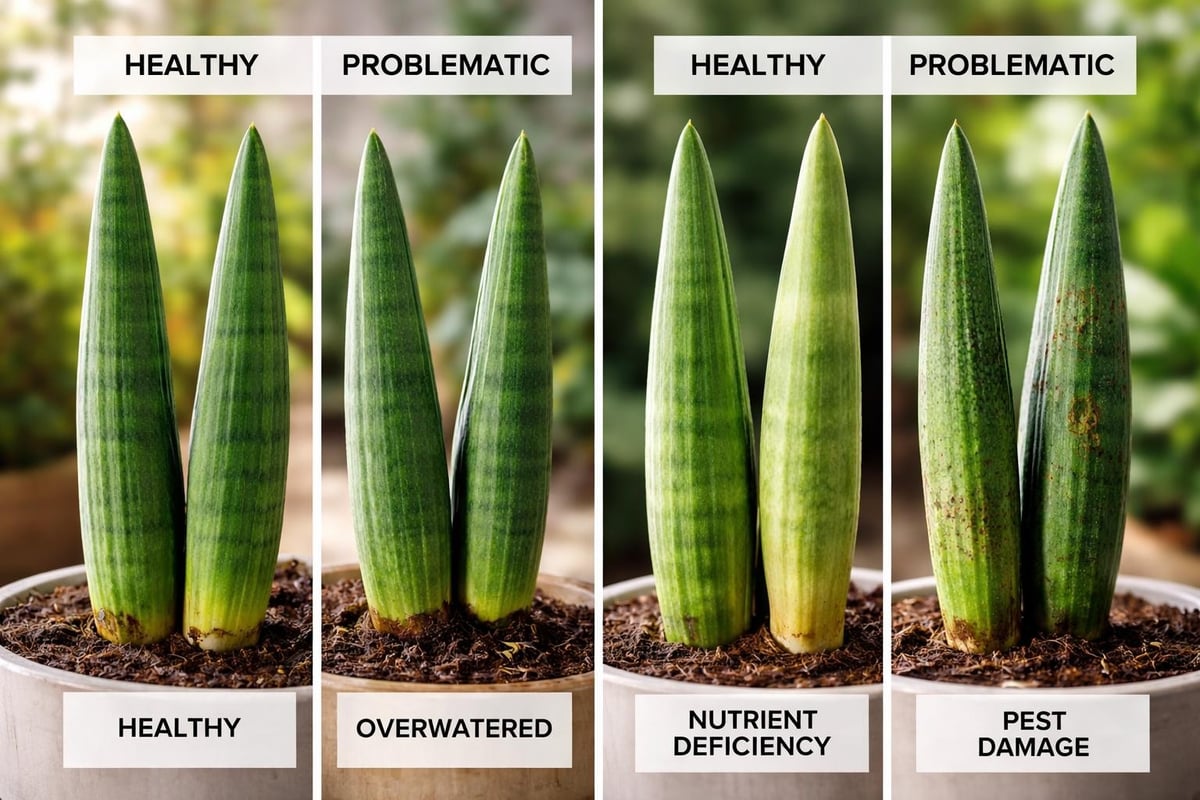
Cylinder snake plants require minimal fertilization compared to heavy feeders. Their slow growth rate means nutrient demands remain modest throughout the year. Over-fertilization causes more problems than under-fertilization, so conservative approaches work best.
Feeding Schedule and Products
During the active growing season from April through September, monthly feeding with diluted fertilizer supports healthy development. Use a balanced liquid fertilizer formulated for succulents or houseplants, diluted to half the recommended strength.
Fertilization best practices:
- Apply only to moist soil, never dry substrate
- Skip feeding entirely during fall and winter
- Watch for salt buildup on soil surface
- Flush pots with water every few months to remove accumulated salts
Signs of over-fertilization include brown leaf tips, white crusty deposits on soil, and stunted growth. If these appear, cease feeding and flush the soil thoroughly with water. The plant's resilience means it recovers quickly once proper care resumes.
Many growers successfully maintain healthy cylinder snake plants without any fertilization, relying solely on nutrients from fresh potting mix during repotting. This approach works well for those preferring minimal intervention.
Common Issues and Troubleshooting Solutions
Despite their hardy nature, cylinder snake plants occasionally face challenges. Recognizing problems early and implementing solutions prevents long-term damage.
Root Rot Prevention and Treatment
Root rot represents the most serious threat to cylinder snake plants, almost always resulting from overwatering. Symptoms include mushy, discolored leaves, foul odor from soil, and general plant decline.
Treatment protocol:
- Remove plant from container immediately
- Inspect roots and trim away soft, brown sections
- Allow healthy portions to dry for several days
- Repot in completely fresh, dry soil
- Resume watering only when plant shows signs of recovery
Prevention through proper watering practices eliminates most root rot cases. The soil should dry completely between waterings, with pots draining freely.
Pest Management
Cylinder snake plants rarely attract pests, but occasional infestations occur. Common culprits include spider mites, mealybugs, and scale insects. Regular inspection catches problems before they escalate.
Natural pest control methods:
- Wipe leaves with damp cloth to remove pests physically
- Apply neem oil solution for persistent infestations
- Isolate affected plants to prevent spread
- Improve air circulation around plants
Most pest problems resolve quickly with consistent attention. The plant's thick, waxy leaves resist damage better than thin-leaved varieties, providing natural protection.
Styling and Display Ideas for Modern Spaces
The architectural quality of cylinder snake plants makes them exceptional focal points in contemporary interiors. Their vertical lines complement various design aesthetics while adding organic texture to rooms.
Container Selection and Arrangements
Choosing the right container enhances the plant's sculptural qualities. Modern, minimalist pots in concrete, ceramic, or matte finishes create striking combinations with the plant's natural form.
Design considerations:
- Select containers proportional to plant height
- Consider grouping multiple plants of varying heights
- Use contrasting textures between pot and plant
- Ensure adequate drainage despite aesthetic preferences
Some growers train cylinder snake plant leaves into braided or fan-shaped patterns by tying young leaves together. These shapes develop gradually as leaves mature, creating unique living art pieces. However, natural growth patterns offer equally impressive displays without intervention.
The plant's compatibility with easy-care plants makes it perfect for busy households seeking visual impact without demanding maintenance schedules. Its tolerance for neglect doesn't compromise its striking appearance.
Health Benefits and Air Purification
Beyond aesthetics, cylinder snake plants contribute to healthier indoor environments through their air-purifying capabilities. Like other Sansevieria species, they remove toxins including formaldehyde, benzene, and trichloroethylene from surrounding air.
Oxygen Production and Air Quality
Uniquely among most plants, cylinder snake plants perform CAM photosynthesis, releasing oxygen at night while absorbing carbon dioxide. This makes them particularly valuable in bedrooms where they improve air quality during sleep hours.
Air quality benefits:
- Continuous oxygen release during nighttime
- Reduction of airborne toxins and chemicals
- Humidity regulation through transpiration
- Low pollen production for allergy sufferers
Multiple plants throughout living spaces amplify these benefits. Strategic placement of air-purifying varieties creates healthier indoor environments naturally, reducing reliance on mechanical air purification systems.
The plant's pet-friendly status requires clarification. While generally considered safer than many houseplants, cylinder snake plants contain saponins that can cause mild gastrointestinal upset if ingested by cats or dogs. Placement out of reach of curious pets prevents issues. For households seeking completely safe options, exploring pet-friendly plants provides alternatives.
Repotting Guidelines and Root Management
Cylinder snake plants tolerate being rootbound, often thriving in containers that seem too small. However, periodic repotting refreshes soil and provides room for rhizome expansion.
When and How to Repot
Repotting every 2-3 years suffices for most plants. Signs indicating the need for fresh containers include roots circling the pot's bottom, water running straight through without absorption, or visible rhizomes pushing above soil level.
Repotting process:
- Choose a container 1-2 inches larger than current pot
- Prepare fresh, well-draining soil mixture
- Gently remove plant, loosening compacted roots
- Trim any damaged root sections with clean tools
- Position at same depth in new container
- Fill with soil, firm gently, and water lightly
Spring represents the ideal repotting season, allowing plants to establish in fresh soil during their active growth period. Avoid repotting during winter when plants remain semi-dormant.
The choice between terracotta and plastic containers affects watering frequency. Porous terracotta dries faster, benefiting those prone to overwatering. Plastic retains moisture longer, requiring less frequent attention but demanding careful monitoring.
Long-Term Care and Mature Plant Management
As cylinder snake plants mature, they develop dense clumps with dozens of individual leaves. Managing these established specimens requires different approaches than young plants.
Maintaining Established Plants
Mature plants benefit from occasional cleaning to remove dust accumulation on their cylindrical leaves. Wiping with a damp cloth improves photosynthesis efficiency and enhances appearance. Avoid leaf shine products, which can clog pores and interfere with gas exchange.
Long-term maintenance tasks:
- Clean leaves monthly with soft, damp cloth
- Rotate plant quarterly for balanced growth
- Divide overcrowded clumps every 3-4 years
- Monitor for signs of declining vigor
Older leaves naturally yellow and die as plants age. Removing these at the base maintains tidy appearance without harming the plant. New growth continuously replaces older foliage in healthy specimens.
Some established plants eventually produce flowers on tall spikes emerging from the center of leaf clusters. These tubular, white flowers release sweet fragrance during evening hours. While flowering doesn't occur annually, it indicates exceptional plant health and maturity.
Selecting Quality Plants and Starting Your Collection
When acquiring cylinder snake plants, several factors indicate healthy specimens likely to thrive long-term. Careful selection at purchase prevents disappointment and establishes successful growing experiences.
Quality Indicators
Signs of healthy plants:
- Firm, upright leaves without soft spots
- Vibrant green coloring with clear banding
- No visible pests or webbing
- Moist but not waterlogged soil
- Multiple growth points for fuller appearance
Avoid plants with yellowing leaves, mushy stems, or foul odors from soil. These indicate underlying problems that may prove difficult to reverse. Investing in quality specimens from reputable sources ensures better outcomes.
Divine Roots ships plants directly from their greenhouse, maintaining optimal conditions throughout the journey to your home. This direct-from-grower approach minimizes stress and transplant shock that can occur with plants sitting in retail environments.
The variety available in cylinder snake plants includes standard green forms and occasional variegated specimens with yellow or white striping. While rarer and more expensive, variegated versions follow identical care requirements and add unique visual interest to collections.
The cylinder snake plant combines striking architecture with exceptional resilience, making it an ideal choice for modern indoor spaces. Whether you're drawn to its sculptural form, air-purifying capabilities, or low-maintenance nature, this versatile plant delivers on multiple levels. Ready to add this architectural marvel to your space? Divine Roots offers carefully curated plants shipped directly from their greenhouse, ensuring you receive healthy specimens ready to thrive in your home for years to come.
Related Guides
- Types of snake plants
- Complete snake plant care guide
- Golden snake plant care
- Snake plant watering
- Best low-light houseplants
- Root rot treatment
About the author
Written and reviewed by Robert, Founder of Divine Roots — he grows, propagates and ships the plants we sell, and the care advice here reflects what actually works in our own greenhouse.
Frequently Asked Questions
How do you care for a cylinder snake plant?
Give it bright indirect light, gritty free-draining soil, and water only when the soil is fully dry, roughly every two to three weeks in summer and monthly in winter. Dracaena angolensis is one of the most drought-tolerant houseplants sold and dies far more often from too much water.
Why are my cylindrical snake plant leaves wrinkling?
Wrinkled, shrivelled spears usually mean the plant is genuinely thirsty or the roots have rotted and can no longer take up water. Check the soil: bone dry means water it well, damp and smelly means root rot, so unpot, cut away the mush, and repot dry.
Can I unbraid a cylinder snake plant?
Yes. Nurseries braid the young leaves for looks, and the braid can be gently undone once the leaves are mature, though older leaves may hold a curve. Leaving it braided is fine too, but new growth pushes out unbraided and the plant looks mixed.
Why are my cylinder snake plant tips brown and dry?
Dry brown tips are often just old damage from shipping or handling, and they never heal. Chronic browning can come from very dry air, fluoride in tap water, or letting the plant sit bone dry for months. Trim to a point with clean scissors for a natural look.
How do I propagate a cylinder snake plant?
Division is the fastest and most reliable method: separate pups with their own roots at repotting time and pot them individually. Whole leaf cuttings root in dry soil, but they take several months and often produce plants without the original's form.
Is the cylinder snake plant toxic to cats and dogs?
Yes. Like all snake plants, it contains saponins that cause drooling, vomiting, and diarrhoea if chewed. The pointed spears are tempting to cats, so keep the pot elevated or well out of reach, or choose a pet-safe plant for accessible spots.
Share