

Golden Snake Plant: Care Guide & Benefits for Your Home
The golden snake plant stands out as one of the most visually striking and forgiving houseplants available to modern indoor gardeners. With its characteristic golden-yellow variegation streaking across sturdy green leaves, this compact variety of Sansevieria offers both aesthetic appeal and the legendary resilience that snake plants are known for. Whether you're furnishing a minimalist apartment, adding life to your office desk, or searching for the perfect easy care plants to build your collection, this golden-hued beauty delivers on both form and function.
Understanding the Golden Snake Plant Variety
The golden snake plant, scientifically known as Sansevieria trifasciata 'Golden Hahnii' or Dracaena trifasciata 'Golden Hahnii' following recent taxonomic reclassification, represents a dwarf cultivar that reaches approximately 6 to 8 inches in height. This compact growth pattern makes it dramatically different from its towering cousins that can stretch several feet tall. The Royal Horticultural Society provides detailed botanical information on this distinctive cultivar and its unique characteristics.
Distinctive Features and Appearance
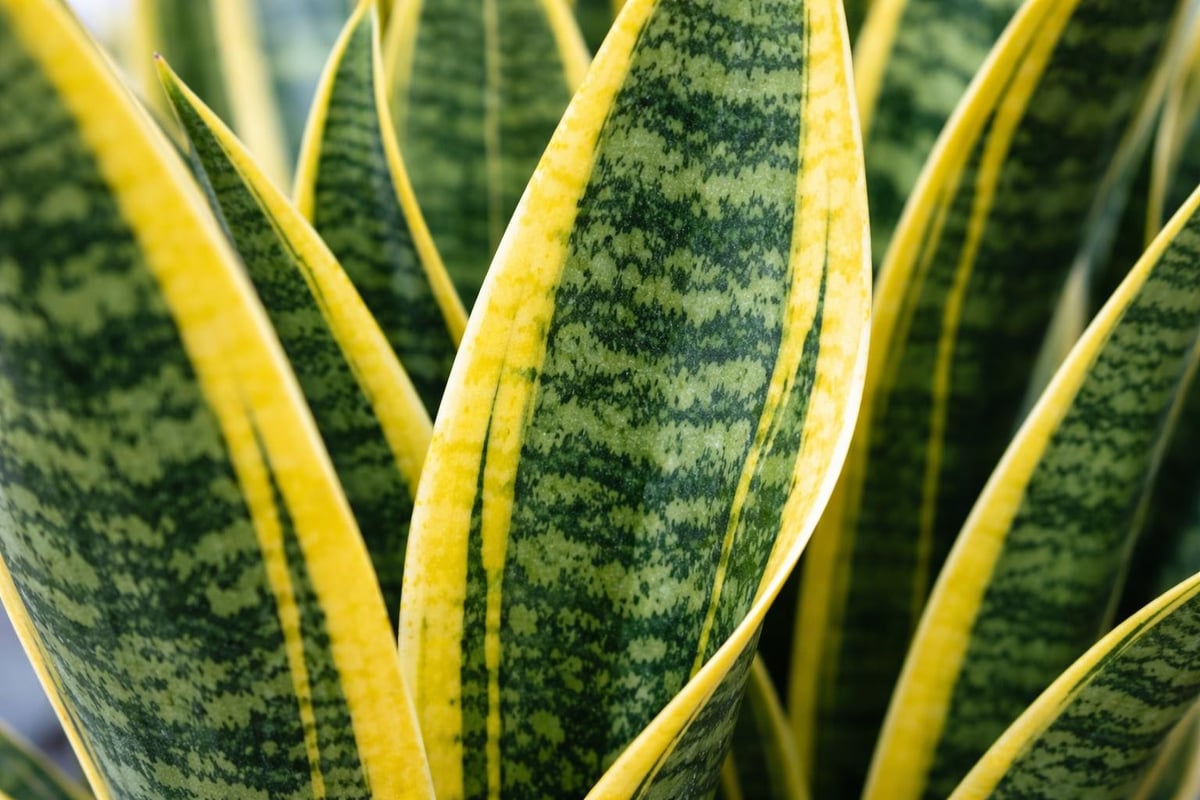
What truly sets this plant apart is its stunning variegation pattern. Each thick, sword-shaped leaf displays broad golden-yellow stripes along the margins, with deep green centers creating a dramatic contrast. The leaves grow in a rosette formation, resembling a bird's nest, which explains one of its alternative common names: the Golden Bird's Nest Sansevieria.
Key identifying characteristics include:
- Compact rosette growth reaching 6-8 inches
- Bold golden-yellow leaf margins
- Dark green central leaf bands
- Thick, succulent-like texture
- Slow to moderate growth rate
- No stem structure (leaves emerge from soil)
The variegation intensity can vary based on light exposure, with brighter conditions typically enhancing the golden coloration while lower light may cause the plant to produce more green growth.
Essential Care Requirements
Despite its exotic appearance, the golden snake plant ranks among the most forgiving houseplants for beginners and experienced plant parents alike. Understanding its natural habitat helps explain its remarkable resilience. Native to West Africa, snake plants evolved to withstand drought, inconsistent rainfall, and varying light conditions.
Light Preferences and Placement
Golden snake plants demonstrate remarkable adaptability to different light environments. They thrive in bright, indirect light, which brings out the most vibrant golden variegation, but they tolerate low light conditions surprisingly well. However, insufficient light over extended periods may cause the plant to produce predominantly green leaves, diminishing the characteristic golden striping.
Optimal placement options:
- Near east or west-facing windows with filtered light
- Several feet back from south-facing windows
- Under grow lights in office environments
- Bright bathrooms with natural light
- Well-lit entryways and hallways
Avoid placing your golden snake plant in direct, harsh sunlight for extended periods, as this can scorch the leaves and cause brown, crispy edges. The comprehensive care guide from World of Succulents emphasizes finding the right balance between sufficient light for variegation and protection from intense rays.
Watering Guidelines
The single most common mistake with snake plants involves overwatering. These succulents store water in their thick leaves, allowing them to survive extended drought periods. During the growing season (spring and summer), water thoroughly when the soil is completely dry, typically every 2-3 weeks. In winter, reduce frequency to once monthly or even less.
| Season | Watering Frequency | Soil Condition Check |
|---|---|---|
| Spring | Every 2-3 weeks | Top 2-3 inches dry |
| Summer | Every 2-3 weeks | Top 2-3 inches dry |
| Fall | Every 3-4 weeks | Top 3-4 inches dry |
| Winter | Every 4-6 weeks | Soil almost completely dry |
Always check soil moisture before watering. Insert your finger 2-3 inches into the soil; if it feels damp, wait a few more days. The practical advice from EasyPlant emphasizes that when in doubt, it's better to underwater than overwater these resilient plants.
Soil and Potting Considerations
Well-draining soil is non-negotiable for golden snake plant health. Standard potting soil retains too much moisture, creating conditions ripe for root rot. Instead, use a succulent or cactus mix, or create your own blend using regular potting soil amended with perlite, coarse sand, or pumice in a 1:1 ratio.
The pot itself matters significantly. Choose containers with drainage holes to prevent water accumulation. Terra cotta pots work exceptionally well because they're porous, allowing excess moisture to evaporate through the pot walls. The compact nature of the golden snake plant means it doesn't require frequent repotting; these plants actually prefer being slightly root-bound and may need repotting only every 3-5 years.
Temperature and Humidity Needs
Golden snake plants excel in typical household conditions, making them perfect additions to collections of indoor plants. They prefer temperatures between 60-85°F, which encompasses the comfort range for most homes and offices.
Temperature tolerance breakdown:
- Ideal range: 65-75°F
- Acceptable range: 55-85°F
- Minimum safe temperature: 50°F
- Frost tolerance: None (must protect from freezing)
Humidity requirements are minimal. These plants tolerate the dry air common in heated homes during winter without complaint. No misting, pebble trays, or humidifiers are necessary, making them particularly suitable for office plants where environmental control may be limited.
Fertilization and Feeding Strategy
Golden snake plants are light feeders that don't require aggressive fertilization schedules. Over-fertilizing causes more problems than under-fertilizing, potentially leading to leaf tip burn and weakened variegation patterns.
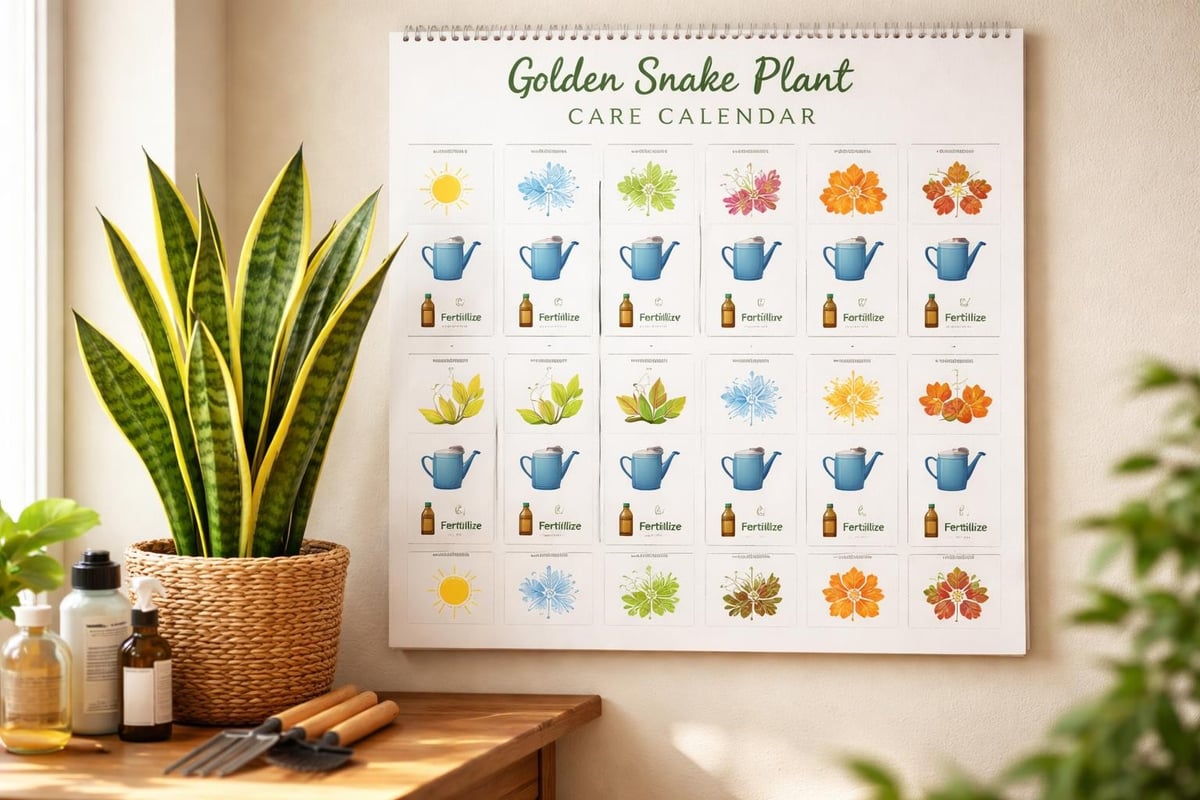
During the active growing season (April through September), apply a balanced, water-soluble houseplant fertilizer diluted to half the recommended strength once monthly. Some gardeners prefer using a succulent-specific fertilizer formulated for plants with similar needs. Suspend all fertilization from October through March when growth naturally slows.
Signs of Proper vs. Improper Fertilization
| Properly Fertilized | Over-Fertilized | Under-Fertilized |
|---|---|---|
| Vibrant variegation | Brown leaf tips | Very slow growth |
| Steady growth | White crust on soil | Pale coloration |
| Healthy leaf color | Leaf distortion | Small new leaves |
| Strong structure | Salt buildup | Weak stems |
Propagation Techniques
Expanding your golden snake plant collection through propagation offers rewarding results, though patience is essential. The two most successful methods are division and leaf cuttings, each with distinct advantages.
Division Method
Division is the preferred technique for maintaining the golden variegation in new plants. When repotting, carefully separate the rosettes, ensuring each division has roots attached. This method produces plants identical to the parent, preserving the characteristic golden striping.
Step-by-step division process:
- Remove the plant from its container
- Gently shake off excess soil
- Identify natural separation points between rosettes
- Use a clean, sharp knife to separate sections
- Allow divisions to dry for 1-2 days
- Plant in well-draining soil mix
- Water lightly and place in bright, indirect light
Leaf Cutting Considerations
While possible, leaf cuttings from variegated snake plants often produce plain green offspring rather than maintaining the golden variegation. This occurs because the variegation is a chimeral mutation that doesn't reliably pass through leaf propagation. For collectors wanting to preserve the golden characteristics, division remains the superior choice.
Common Problems and Solutions
Even forgiving plants like the golden snake plant occasionally encounter issues. Recognizing problems early and understanding their root causes ensures quick resolution.
Root rot emerges as the primary killer of snake plants. Symptoms include yellowing leaves, mushy bases, and foul-smelling soil. Prevention through proper watering practices is crucial. If root rot develops, immediately remove the plant from wet soil, trim away affected roots with sterilized scissors, allow the plant to dry for several days, and repot in fresh, dry soil.
Pest infestations are relatively rare but can occur. Spider mites, mealybugs, and scale insects occasionally target snake plants. Inspect regularly, particularly around leaf bases. Treat infestations with insecticidal soap, neem oil, or by wiping leaves with rubbing alcohol on a cotton swab.
Browning leaf tips typically result from inconsistent watering, low humidity, or fluoride in tap water. While the golden snake plant tolerates dry air, extremely arid conditions or erratic watering can cause tip browning. If using tap water with high fluoride content, switch to filtered or distilled water.
Air Purification Benefits
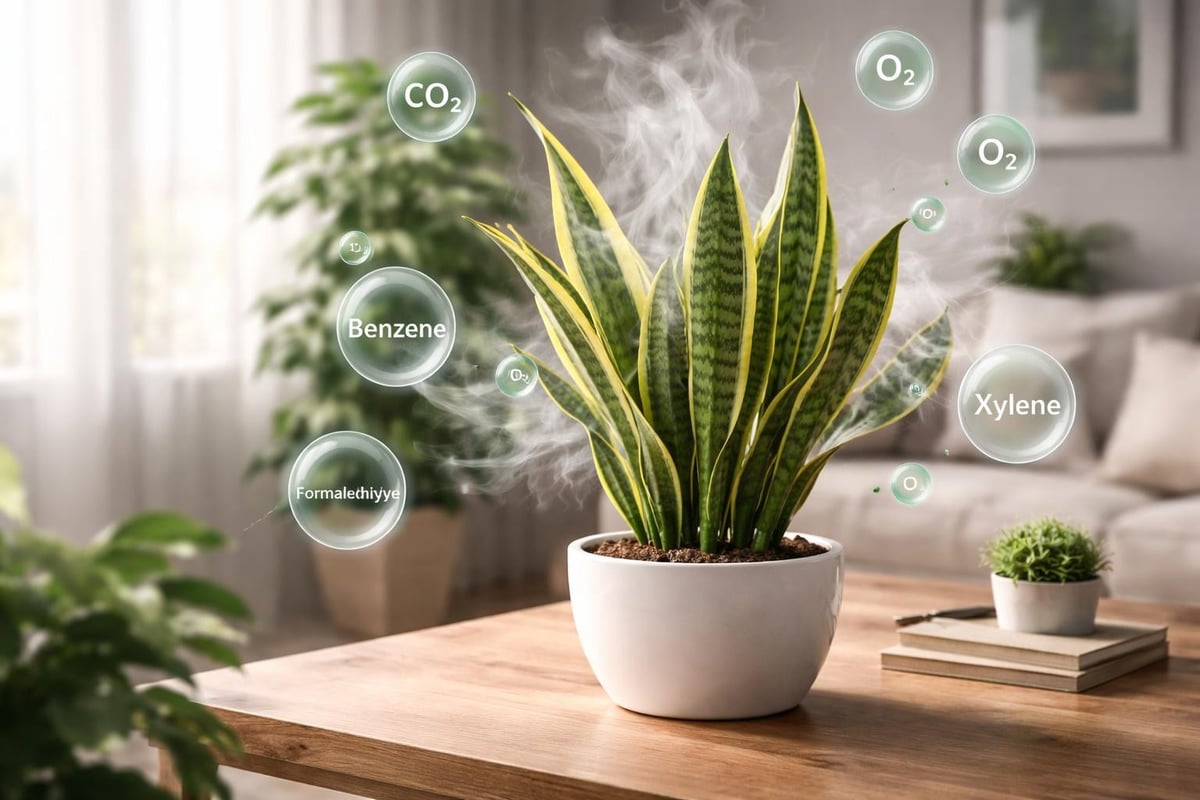
Beyond aesthetic appeal, the golden snake plant contributes to healthier indoor environments. Like other Sansevieria varieties, it removes toxins from the air, including formaldehyde, benzene, trichloroethylene, and xylene. NASA's Clean Air Study identified snake plants as particularly effective air purifiers.
Uniquely, snake plants perform CAM (Crassulacean Acid Metabolism) photosynthesis, releasing oxygen at night unlike most plants. This characteristic makes them excellent choices for bedroom plants, where they continue improving air quality while you sleep.
Styling and Display Ideas
The compact, sculptural form of the golden snake plant lends itself to diverse interior design applications. Its low-maintenance nature combined with striking appearance makes it ideal for various settings.
Modern minimalist spaces benefit from the plant's clean lines and architectural form. Place a single specimen in a sleek, monochromatic planter on a side table or shelf. The golden variegation adds warmth to otherwise neutral palettes without overwhelming minimalist aesthetics.
Grouped arrangements create visual impact. Combine multiple golden snake plants of varying sizes with other succulents or air-purifying plants for dynamic tabletop displays. The contrast between the golden snake plant's rosette form and taller, upright plants creates interesting textural variation.
Office and workspace integration leverages the plant's tolerance for artificial light and inconsistent care. Desk-sized golden snake plants thrive under fluorescent lighting and forgive occasional watering lapses during busy work periods. The detailed information from Jackson & Perkins highlights placement strategies for various indoor environments.
Pet Safety Considerations
Prospective plant parents with furry companions should know that snake plants, including the golden variety, contain saponins that are toxic to cats and dogs if ingested. Symptoms of consumption include nausea, vomiting, and diarrhea. While not typically life-threatening, ingestion causes discomfort.
Place golden snake plants on high shelves, hanging planters, or in rooms inaccessible to pets. If you prefer keeping plants within pet reach, explore the selection of pet-friendly plants that pose no toxicity risks. For households with curious pets, exercise caution and consider alternative species.
Seasonal Care Adjustments
Understanding how golden snake plant needs shift with seasons optimizes growth and health. These plants experience distinct growing and dormant periods that require adjusted care approaches.
Spring and summer represent active growth phases when the plant produces new leaves and may require more frequent watering. Increase watering slightly as temperatures rise, maintaining the "let soil dry completely" principle. This is the ideal time for fertilization and repotting if needed.
Fall and winter signal dormancy when growth slows dramatically or stops entirely. Reduce watering frequency significantly, sometimes waiting 4-6 weeks between waterings. Completely suspend fertilization. Lower light levels during shorter winter days don't typically harm the plant, though supplemental grow lights can maintain variegation intensity.
| Care Aspect | Growing Season (Spring/Summer) | Dormant Season (Fall/Winter) |
|---|---|---|
| Watering | Every 2-3 weeks | Every 4-6 weeks |
| Fertilizing | Monthly at half strength | None |
| Repotting | Optimal time | Avoid |
| Propagation | Best success rate | Not recommended |
| New growth | Active | Minimal to none |
Long-Term Maintenance
Golden snake plants are remarkably low-maintenance once established, but periodic attention ensures continued health and beauty. Dust accumulation on leaves blocks light absorption and can harbor pests. Wipe leaves monthly with a damp cloth to maintain their ability to photosynthesize efficiently and showcase their golden variegation.
Leaf trimming becomes necessary when leaves become damaged beyond recovery. Use clean, sharp scissors to remove affected leaves at the base. The plant compartmentalizes damage, so removing one leaf doesn't harm the overall rosette. New growth naturally replaces removed foliage over time.
Container evaluation should occur annually. While golden snake plants tolerate being root-bound, extremely crowded roots eventually impede growth. When roots circle the soil surface or emerge from drainage holes, consider moving to a container one size larger. The compact nature of this variety means dramatic size increases are unnecessary.
The golden snake plant combines stunning visual appeal with undemanding care requirements, making it an exceptional choice for both novice and experienced plant enthusiasts. Its tolerance for varied conditions, air-purifying capabilities, and distinctive variegation create a winning combination for modern indoor spaces. Whether you're building your first plant collection or adding to an established indoor garden, Divine Roots ships healthy, greenhouse-grown specimens directly to your door, ensuring your golden snake plant arrives ready to thrive in its new home.
Related Guides
- Types of snake plants
- Complete snake plant care guide
- Cylinder snake plant care
- Snake plant watering
- Best plants for the bedroom
- Best soil for indoor plants
About the author
Written and reviewed by Robert, Founder of Divine Roots — he grows, propagates and ships the plants we sell, and the care advice here reflects what actually works in our own greenhouse.
Frequently Asked Questions
How often should I water a golden snake plant?
Every two to three weeks in spring and summer, and every four to six weeks in winter. Let the soil dry out completely first. Snake plants store water in their leaves, so underwatering is easily forgiven while overwatering causes soft, mushy bases and root rot.
Why is my golden snake plant losing its yellow edges?
Fading yellow margins almost always mean too little light. Variegation needs bright indirect light to hold its colour, and plants pushed into dim corners revert toward plain green. Move it nearer a bright window and new growth will come through with stronger yellow edges.
Do golden snake plants need direct sunlight?
No, but they appreciate a few hours of gentle direct sun. Bright indirect light gives the best colour and steady growth. They survive low light, though growth nearly stops and variegation dulls. Harsh, unfiltered afternoon sun through glass can bleach and scorch the leaves.
Are golden snake plants toxic to pets?
Yes. Snake plants contain saponins that cause drooling, vomiting, and diarrhoea in cats and dogs that chew the leaves. Symptoms are usually mild but unpleasant. Place it on a high shelf or plant stand, or choose a pet-safe alternative for open floor spaces.
How do I propagate a golden snake plant and keep the yellow edge?
Use division, not leaf cuttings. Leaf cuttings root readily but almost always lose the yellow margin and grow back plain green. Splitting the rootball so each section keeps its own rhizome and shoots is the only reliable way to keep the variegation.
Why are my snake plant leaves falling over?
Drooping, splaying leaves usually mean overwatering, a pot with no drainage, or too little light making growth weak and stretched. Check the base of the leaves: soft and pale means rot, firm but leaning means the plant is reaching for a brighter position.
Share