

Plants Garden: Expert Guide to Creating a Thriving Space
Creating a plants garden transforms any living space into a vibrant sanctuary that promotes well-being, purifies air, and brings nature indoors. Whether you're cultivating a collection of air-purifying varieties, building a succulent display, or designing a comprehensive indoor oasis, understanding the fundamentals of plant selection, placement, and care ensures your plants garden thrives year-round. This comprehensive guide explores proven strategies for establishing and maintaining a flourishing plants garden that enhances your home environment while reflecting your personal style and lifestyle needs.
Selecting the Right Plants for Your Garden Environment
Building a successful plants garden begins with understanding your specific growing conditions and matching them to appropriate plant species. Light levels, humidity, temperature fluctuations, and available space all influence which plants will thrive in your environment.
Assessing Your Space and Light Conditions
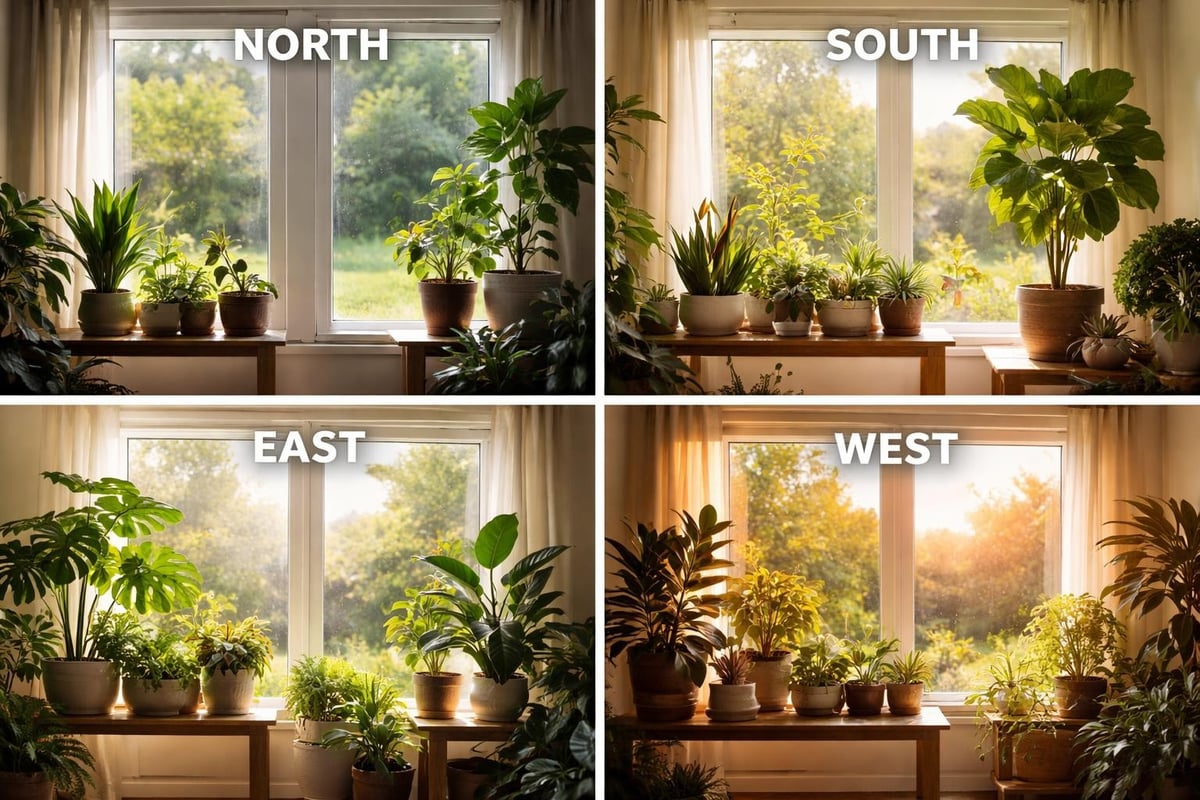
Before selecting plants, conduct a thorough assessment of your available space. North-facing windows provide indirect light suitable for low-light tolerant species, while south-facing exposures offer bright, direct sunlight ideal for sun-loving varieties. East and west windows deliver moderate light conditions perfect for a wide range of intermediate species.
Key factors to evaluate:
- Natural light duration and intensity throughout the day
- Seasonal light variations affecting plant growth cycles
- Available floor, shelf, and vertical hanging space
- Existing humidity levels and air circulation patterns
- Temperature consistency and potential cold drafts
The USDA PLANTS Database offers comprehensive information on plant characteristics and native ranges, helping you understand which species naturally thrive in conditions similar to your home environment.
Categorizing Plants by Care Requirements
Organizing your plants garden by care needs simplifies maintenance routines and prevents common mistakes. Group plants with similar watering schedules, humidity preferences, and fertilization requirements together for efficient care.
| Care Level | Plant Types | Watering Frequency | Ideal For |
|---|---|---|---|
| Easy | Pothos, Snake Plants, ZZ Plants | Every 1-2 weeks | Beginners, busy schedules |
| Moderate | Monstera, Philodendron, Peace Lily | Weekly | Intermediate gardeners |
| Advanced | Fiddle Leaf Fig, Calathea, Orchids | Variable, precise | Experienced enthusiasts |
Divine Roots offers easy-care plants specifically curated for those building their first plants garden or maintaining collections with minimal time investment.
Designing Your Plants Garden Layout
A thoughtfully designed plants garden balances aesthetic appeal with functional plant placement, creating visual harmony while meeting each species' environmental needs.
Creating Vertical Layers and Focal Points
Vertical layering adds dimension and maximizes space utilization in your plants garden. Position taller specimens like palms or dracaenas as background elements, medium-height plants such as pothos or philodendrons at eye level, and low-growing succulents or trailing varieties in foreground positions.
Effective layering techniques:
- Tall statement plants anchor corners and fill vertical space
- Medium specimens create visual transitions between heights
- Hanging varieties utilize ceiling hooks and wall-mounted planters
- Tabletop displays showcase smaller specimens and propagations
Incorporating hanging plants into your design strategy adds movement and draws the eye upward, creating the illusion of expanded space even in compact areas.
Color, Texture, and Seasonal Interest
Beyond green foliage, incorporate plants garden specimens with varied textures, leaf shapes, and colors to create visual interest throughout the year. Variegated varieties, burgundy-toned species, and silver-hued succulents provide contrast against traditional green foliage.
Texture variation comes from combining smooth-leafed species with fuzzy, textured, or architectural varieties. Pair the broad, glossy leaves of rubber plants with delicate ferns or spiky snake plants for dynamic contrast.
Essential Care Practices for a Healthy Plants Garden
Maintaining a thriving plants garden requires understanding fundamental care principles and adapting them to your specific plant collection and environment.
Watering Strategies and Moisture Management
Overwatering ranks as the primary cause of plant decline in indoor gardens. Most plants garden failures result from well-intentioned but excessive watering that leads to root rot and fungal issues.
Proper watering protocol:
- Check soil moisture 2-3 inches below the surface before watering
- Water thoroughly until drainage occurs, then empty saucers
- Adjust frequency based on seasonal growth patterns
- Use room-temperature water to avoid shocking root systems
- Consider bottom-watering for moisture-sensitive species
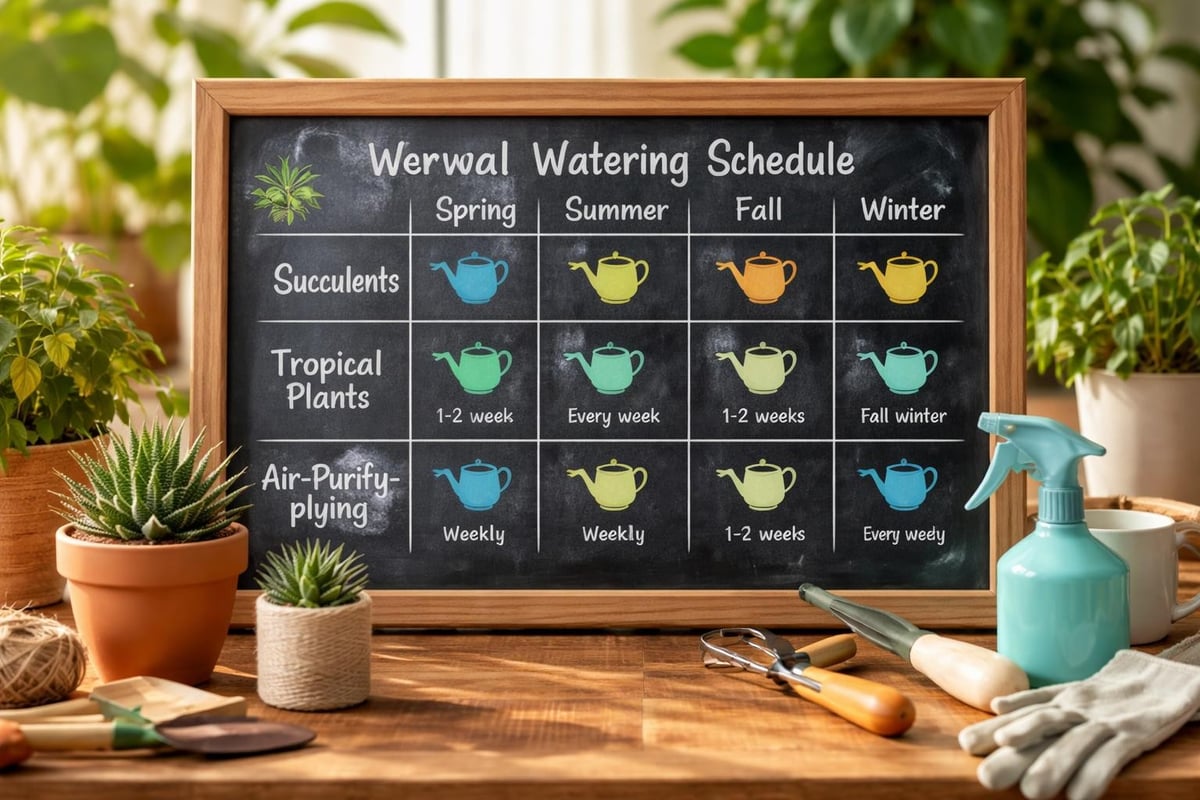
Different plant categories within your plants garden require distinct moisture levels. Succulents and cacti prefer complete soil drying between waterings, while tropical varieties maintain consistent moisture without waterlogging.
Nutrition and Fertilization Schedules
A well-fed plants garden displays vibrant foliage, robust growth, and increased disease resistance. During active growing seasons (spring and summer), most indoor plants benefit from regular fertilization every 2-4 weeks.
| Season | Fertilization Approach | Frequency | Concentration |
|---|---|---|---|
| Spring | Full-strength balanced | Every 2 weeks | 100% dilution |
| Summer | Full-strength balanced | Every 2-3 weeks | 100% dilution |
| Fall | Reduced feeding | Every 4 weeks | 50% dilution |
| Winter | Minimal to none | Monthly or skip | 25-50% dilution |
Reduce or eliminate fertilization during dormant winter months when plant growth naturally slows. Resume regular feeding when daylight hours increase and new growth appears in spring.
Troubleshooting Common Plants Garden Challenges
Even experienced gardeners encounter obstacles when maintaining their plants garden. Recognizing early warning signs prevents minor issues from becoming serious problems.
Pest Identification and Management
Indoor plants gardens occasionally host unwanted visitors including spider mites, aphids, mealybugs, and fungus gnats. Regular inspection catches infestations early when treatment proves most effective.
Integrated pest management steps:
- Isolate affected plants immediately to prevent spread
- Identify the specific pest through close visual examination
- Remove visible insects manually with cotton swabs or water spray
- Apply appropriate treatment using neem oil, insecticidal soap, or targeted solutions
- Monitor recovery and repeat treatments as needed
Maintaining proper watering practices and adequate air circulation significantly reduces pest susceptibility in your plants garden. The North American Rock Garden Society provides detailed information on plant health and specialized care for various species.
Environmental Stress and Adaptation
Plants communicate stress through visible symptoms including yellowing leaves, brown tips, wilting, or stunted growth. Diagnosing the underlying cause requires systematic evaluation of environmental factors.
Common stress indicators:
- Yellow lower leaves: Natural aging or nitrogen deficiency
- Brown leaf tips: Low humidity or salt buildup from over-fertilization
- Wilting despite moist soil: Root rot from overwatering
- Leggy, stretched growth: Insufficient light exposure
- Leaf drop: Temperature fluctuations or transplant shock
Consulting reputable resources ensures accurate diagnosis and effective solutions. This article on gardening sources emphasizes the importance of consulting trusted organizations for reliable plant information.
Specialized Plants Garden Collections
Curating themed collections within your plants garden creates cohesive displays while simplifying care routines through grouped environmental needs.
Air-Purifying Plants Garden
NASA research identified specific plant species that effectively remove volatile organic compounds and toxins from indoor air. Building a plants garden focused on air purification combines health benefits with aesthetic appeal.
Top air-purifying species include:
- Snake plants filter formaldehyde and benzene while tolerating neglect
- Pothos removes xylene, benzene, and formaldehyde efficiently
- Peace lilies combat mold spores and various airborne toxins
- Spider plants eliminate carbon monoxide and xylene
- Rubber plants filter formaldehyde from indoor environments
Divine Roots specializes in air-purifying plants selected for both functional benefits and visual appeal, making it simple to build a health-focused collection.
Pet-Friendly Plants Garden
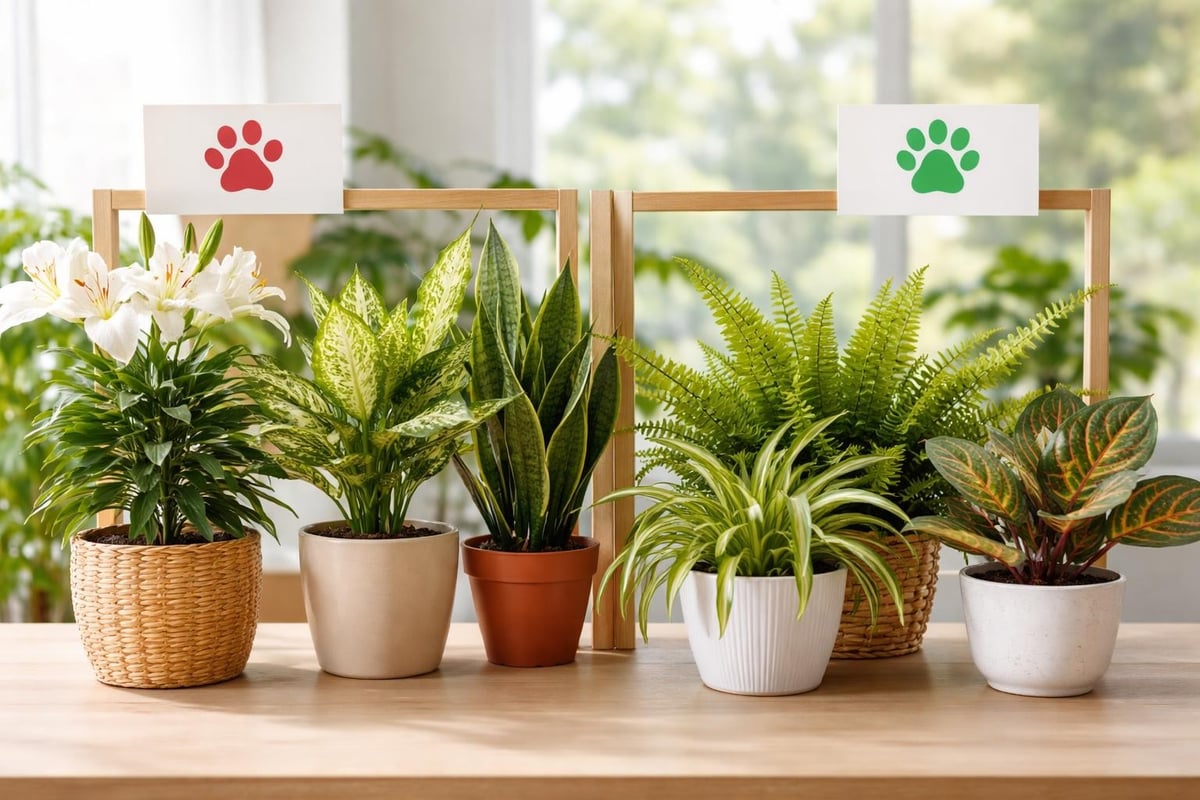
Households with curious pets require careful plant selection to avoid toxic species. Numerous beautiful, non-toxic options exist for creating a safe plants garden that coexists peacefully with cats and dogs.
Safe plant choices:
- Spider plants offer cascading foliage without toxicity concerns
- Boston ferns provide lush texture with complete pet safety
- Prayer plants display striking patterns harmlessly
- Parlor palms add tropical elegance without risk
- Peperomia varieties deliver diverse options safely
Explore pet-friendly plants specifically curated for safe inclusion in homes with animals, or consult the comprehensive pet-friendly outdoor plants guide for additional options.
Advanced Plants Garden Techniques
Once fundamental care becomes routine, advanced techniques elevate your plants garden to new levels of sophistication and plant health.
Propagation and Expansion
Propagating existing plants garden specimens produces new plants while maintaining genetic consistency with parent plants. Most common houseplants propagate easily through stem cuttings, division, or leaf propagation.
Propagation methods by plant type:
- Stem cuttings: Pothos, philodendron, monstera, tradescantia
- Leaf cuttings: Succulents, snake plants, African violets
- Division: Snake plants, spider plants, peace lilies, ferns
- Air layering: Rubber plants, fiddle leaf figs, dracaenas
Spring provides optimal timing for propagation when plants enter active growth phases and root development occurs rapidly. Maintain consistent moisture and warmth during the rooting period for highest success rates.
Soil Composition and Repotting
Quality soil mixtures provide essential foundation for plants garden success. Different plant categories require distinct soil compositions addressing specific drainage and nutrition needs.
| Plant Category | Base Components | Drainage Amendments | Special Additions |
|---|---|---|---|
| Succulents | Cactus mix, sand | Perlite, pumice | Minimal organics |
| Tropical plants | Peat, coco coir | Perlite, bark | Compost, worm castings |
| Ferns | Peat-based mix | Minimal drainage | High organic content |
| Aroids | Chunky, airy mix | Bark, perlite | Charcoal, orchid bark |
Repot plants when roots circle the container bottom or growth slows despite proper care. Most plants garden specimens benefit from fresh soil every 18-24 months, even without sizing up containers.
Seasonal Adjustments for Year-Round Success
Your plants garden requires different care approaches throughout the year as daylight duration, temperature, and humidity fluctuate with seasons.
Spring and Summer Growth Phase
Increasing daylight hours trigger active growth in spring, signaling time to resume regular fertilization and increase watering frequency. This period offers ideal conditions for introducing new specimens to your plants garden or propagating existing favorites.
Spring and summer priorities:
- Gradually increase watering as temperatures rise and growth accelerates
- Resume regular fertilization with balanced formulations
- Monitor for pests that proliferate in warm conditions
- Rotate plants regularly for even light exposure and balanced growth
- Prune leggy growth to encourage bushier development
Many gardeners find that their plants garden doubles in size during these productive months when conditions optimize photosynthesis and nutrient uptake.
Fall and Winter Dormancy Period
As daylight diminishes in fall, most indoor plants naturally slow their growth and enter semi-dormancy. Adjusting care routines prevents common cold-season problems in your plants garden.
Cold-season care modifications:
- Reduce watering frequency significantly as growth slows
- Decrease or eliminate fertilization during dormant periods
- Increase humidity with humidifiers or pebble trays as heating systems dry indoor air
- Move plants away from cold window drafts and heating vents
- Accept slower growth as normal seasonal variation
The University of Virginia Library resources offer academic perspectives on seasonal plant care and landscape architecture principles applicable to indoor gardens.
Building Community and Continued Learning
Successful plants garden enthusiasts continually expand their knowledge through reliable resources, community engagement, and experimentation with new species and techniques.
Trusted Information Sources
Building expertise requires consulting reputable sources rather than relying solely on social media advice. Established horticultural institutions, university extension programs, and botanical gardens provide scientifically-backed information.
The Clemson University plant sources and Andover Garden Club resources offer authoritative references on various plant topics beneficial for both beginners and experienced gardeners expanding their plants garden knowledge.
Documenting Your Plants Garden Journey
Tracking your plants garden evolution through photos and notes reveals growth patterns, identifies successful strategies, and documents challenges for future reference. Record watering dates, fertilization schedules, and environmental changes to correlate with plant responses.
Beneficial tracking information:
- Purchase dates and initial plant conditions
- Repotting schedules and soil mixture recipes
- Seasonal growth patterns and dormancy timing
- Successful propagation methods and rooting duration
- Pest occurrences and effective treatment protocols
This documentation becomes invaluable when troubleshooting issues or replicating successful outcomes with new additions to your plants garden.
Creating Micro-Environments Within Your Space
Advanced plants garden design involves creating distinct micro-environments that support species with varying requirements within a single room or home.
Humidity Zones and Grouping Strategies
Tropical plants requiring high humidity thrive when grouped together, as collective transpiration raises local moisture levels. Position these humidity-loving specimens in bathrooms, kitchens, or near humidifiers within your plants garden layout.
Conversely, cluster drought-tolerant succulents and cacti in drier areas away from moisture sources. This strategic grouping simplifies care while optimizing conditions for each category.
Humidity modification techniques:
- Pebble trays filled with water beneath plant containers
- Regular misting for ferns and tropical varieties
- Humidifiers positioned near moisture-loving clusters
- Bathroom placement for high-humidity species
- Distance from heating vents that dry surrounding air
Divine Roots' curated indoor plants collection includes detailed care specifications helping you group compatible species effectively within your plants garden design.
Temperature Gradient Utilization
Most homes contain natural temperature variations between rooms and vertical heights. Capitalize on these gradients when positioning plants garden specimens with specific temperature preferences.
Warm air rises, creating warmer conditions on upper shelves ideal for heat-loving tropical species. Floor-level placements remain cooler, suiting temperate-climate natives. Rooms with southern exposure maintain warmer temperatures than northern spaces, allowing strategic placement based on heat requirements.
Building and maintaining a thriving plants garden requires understanding fundamental care principles while adapting techniques to your unique environment and plant collection. Whether you're cultivating air-purifying varieties, creating pet-safe displays, or exploring specialized collections, success comes from matching plant needs with available conditions and maintaining consistent care routines. Divine Roots simplifies this journey by offering carefully selected, greenhouse-grown plants with detailed care guidance, ensuring your plants garden flourishes from the moment your first delivery arrives.
🌿 Related Reading
Share