

Golden Pothos: Complete Care Guide for Thriving Vines
The golden pothos stands as one of the most beloved and forgiving houseplants available to both novice and experienced plant enthusiasts. With its cascading vines adorned with heart-shaped leaves splashed with golden variegation, this tropical beauty transforms any indoor space into a lush retreat. Originally native to the Solomon Islands, this adaptable species has earned its reputation as nearly indestructible, making it an ideal choice for anyone looking to add greenery to their home or office. Whether you're just beginning your indoor gardening journey or expanding an established collection, understanding the nuances of golden pothos care will help you unlock its full potential.
Understanding Golden Pothos Characteristics and Benefits
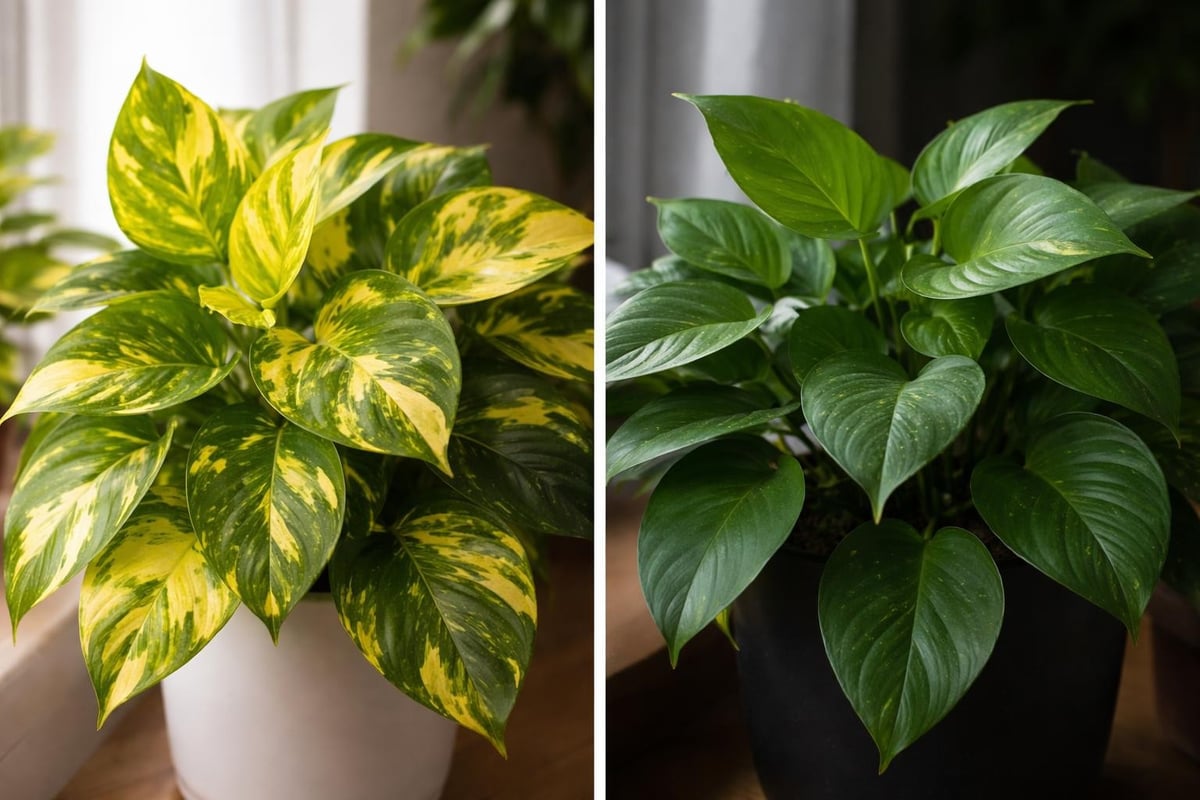
Golden pothos, scientifically known as Epipremnum aureum, belongs to the Araceae family and displays remarkable versatility in indoor environments. The plant's distinctive foliage features glossy, heart-shaped leaves that typically measure four to twelve inches in length, decorated with irregular yellow or cream variegation patterns that give the plant its common name.
Natural Growth Patterns and Appearance
This vigorous climber can extend vines up to ten feet or more when grown indoors, though most home growers maintain more manageable lengths through regular pruning. The variegation intensity depends largely on light exposure, with brighter conditions producing more pronounced golden streaking across the green leaves.
Key identifying features include:
- Heart-shaped leaves with waxy texture
- Alternating leaf pattern along trailing stems
- Aerial roots that develop along nodes
- Natural climbing tendency using adventitious roots
- Variable leaf size depending on maturity and conditions
The plant's growth habit makes it exceptionally versatile for various display options. You can train it to climb a moss pole or trellis, allow it to trail gracefully from hanging baskets, or let it cascade down shelving units.
Air Quality and Environmental Benefits
Research has demonstrated that golden pothos contributes significantly to indoor air quality improvement. Studies examining air-purification effects on indoor occupants have shown that Epipremnum aureum effectively filters common household toxins while positively influencing psycho-physiological responses in occupied spaces.
The plant's ability to remove volatile organic compounds makes it valuable for homes with new furniture, carpeting, or building materials. Additionally, scientists have begun exploring the bacterial community associated with Epipremnum aureum, furthering our understanding of beneficial plant-microbe interactions that contribute to healthier indoor ecosystems.
Essential Care Requirements for Optimal Growth
Mastering golden pothos care involves balancing several environmental factors that mimic its native tropical habitat. Fortunately, this species tolerates a wide range of conditions, making occasional mistakes easily forgivable.
Light Requirements and Placement
Golden pothos thrives in medium to bright indirect light but adapts surprisingly well to lower light situations. The variegation becomes more vibrant with adequate brightness, while insufficient light causes the leaves to revert to solid green.
| Light Level | Variegation | Growth Rate | Best Location |
|---|---|---|---|
| Bright Indirect | Maximum golden color | Fast | East or north-facing windows |
| Medium | Moderate variegation | Moderate | Interior rooms with ambient light |
| Low | Minimal, mostly green | Slow | Offices, bathrooms with minimal windows |
| Direct Sun | Leaf burn risk | Stressed | Avoid prolonged exposure |
Position your plant where it receives filtered sunlight through sheer curtains or place it several feet back from south or west-facing windows. Rotating the plant monthly ensures even growth on all sides.
Watering Schedule and Moisture Management
The golden pothos prefers a "drench and dry" watering approach. Allow the top two to three inches of soil to dry completely between waterings, then water thoroughly until excess drains from the bottom.
Signs indicating watering needs:
- Leaves beginning to droop slightly
- Soil feeling dry when you insert your finger
- Pot feeling noticeably lighter than after watering
- Lower leaves showing minor wilting
Overwatering poses the greatest threat to golden pothos health. Root rot develops quickly in consistently soggy soil, causing yellowing leaves, mushy stems, and eventual plant decline. During winter months, reduce watering frequency as growth slows and the plant requires less moisture.
Soil Composition and Container Selection
Well-draining potting mix proves essential for golden pothos success. Standard commercial houseplant soil works adequately, but enhancing drainage improves overall plant health.
Recommended soil components:
- 60% quality potting soil
- 20% perlite or pumice
- 10% orchid bark
- 10% coconut coir or peat moss
Select containers with drainage holes to prevent water accumulation. Terracotta pots offer excellent breathability for roots, while plastic or ceramic containers retain moisture longer. For those exploring large indoor plant pots, ensure adequate drainage regardless of material choice.
Propagation Techniques and Growth Expansion
Golden pothos propagates with remarkable ease, allowing you to multiply your collection or share cuttings with friends. The process requires minimal equipment and yields high success rates even for beginners.
Water Propagation Method
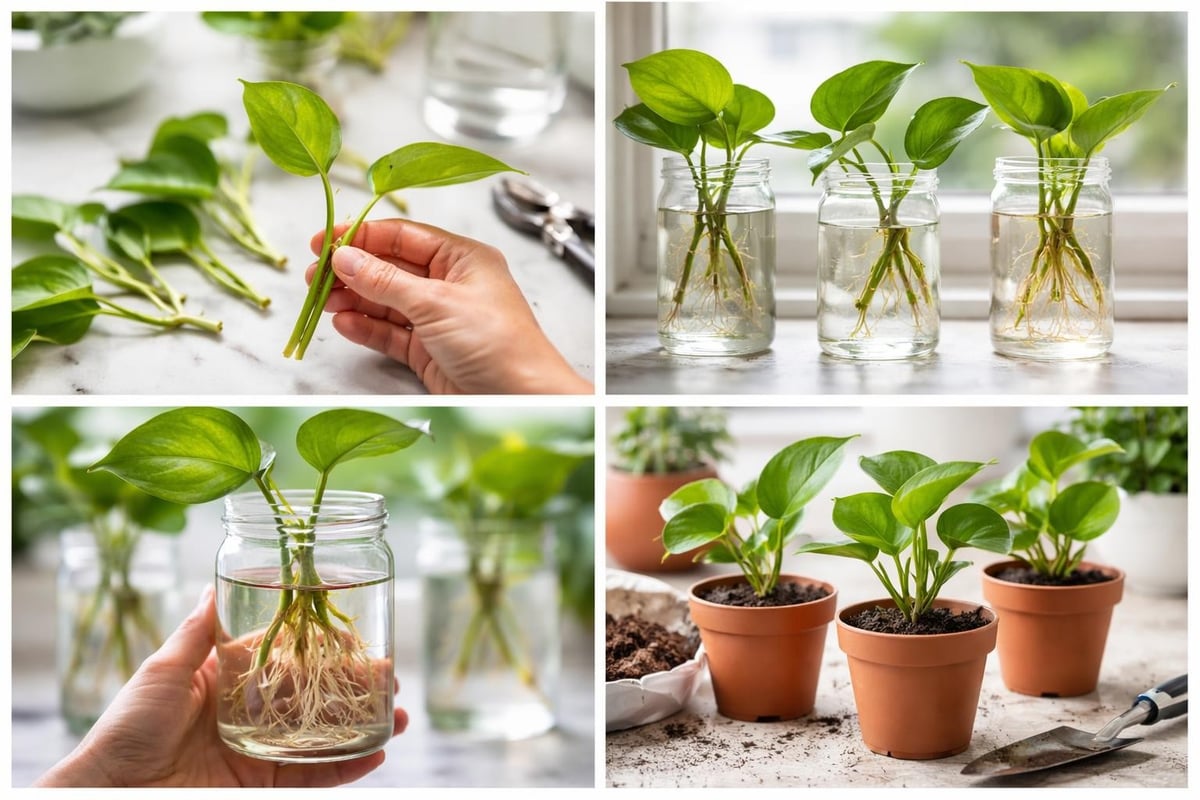
The simplest propagation technique involves rooting stem cuttings in water. Cut a healthy stem section four to six inches long just below a node, ensuring each cutting includes at least two leaves and one node.
- Remove lower leaves to prevent water submersion
- Place cuttings in clean water with nodes submerged
- Position in bright indirect light
- Change water every three to five days
- Wait for roots to reach two inches before planting
- Transfer to soil once roots establish
Roots typically emerge within seven to fourteen days, though timing varies with environmental conditions. Once roots reach adequate length, transition cuttings to soil gradually by mixing increasing amounts of potting mix with water over several days.
Soil Propagation Alternative
Direct soil propagation eliminates the water-to-soil transition period. Prepare cuttings identically to the water method, then insert nodes directly into moistened potting mix.
| Method | Success Rate | Time to Roots | Advantages | Disadvantages |
|---|---|---|---|---|
| Water | 95% | 7-14 days | Visual root monitoring | Transition shock possible |
| Soil | 85% | 14-21 days | No transplanting needed | Cannot observe root development |
| Moss | 90% | 10-17 days | Excellent root structure | Requires sphagnum moss |
Maintain consistent moisture without waterlogging during the rooting period. A plastic bag or humidity dome creates an ideal microclimate that encourages root development while preventing excessive moisture loss.
Common Problems and Troubleshooting Solutions
Despite its reputation for resilience, golden pothos occasionally encounters issues that signal care adjustments are needed. Recognizing symptoms early prevents minor problems from escalating into serious health concerns.
Leaf Discoloration and Yellowing
Yellow leaves indicate various potential issues depending on the pattern and accompanying symptoms. Widespread yellowing throughout the plant typically signals overwatering, while isolated yellow leaves on older growth represent normal aging.
Diagnosing yellow leaf causes:
- Overwatering: Yellowing with mushy stems, soil remains wet, roots appear brown or black
- Underwatering: Yellowing with crispy edges, soil completely dry, leaves feel papery
- Nutrient deficiency: Pale yellow throughout, especially new growth, slow development
- Natural aging: Single lower leaves turning yellow while rest remains healthy
Adjust watering practices based on diagnosis and remove affected leaves to redirect energy toward healthy growth. For persistent yellowing despite correct watering, apply balanced liquid fertilizer diluted to half strength monthly during growing season.
Pest Management Strategies
While golden pothos resists most pests, several common houseplant insects occasionally appear. Spider mites, mealybugs, and scale insects target stressed or weakened plants most frequently.
Inspect your plant regularly, particularly along stems and leaf undersides where pests congregate. Early detection allows for simple treatment with insecticidal soap or neem oil applications. For those dealing with soil-dwelling pests, understanding how to kill fungus gnat larvae proves valuable since these insects thrive in consistently moist conditions.
Brown Leaf Tips and Edges
Crispy brown edges or tips indicate environmental stress factors requiring attention. Low humidity, inconsistent watering, or accumulated salts from tap water commonly cause this cosmetic issue.
Solutions for browning leaves:
- Increase humidity through grouping plants or using a pebble tray
- Switch to filtered or distilled water to reduce mineral buildup
- Flush soil monthly with clean water to remove salt accumulation
- Maintain consistent watering schedule
- Trim damaged portions with clean scissors
Brown edges don't reverse on affected leaves, but proper care adjustments prevent the problem from spreading to new growth. Consider incorporating your golden pothos into groupings with other humidity-loving species for mutual benefit.
Advanced Care Tips for Superior Results
Taking your golden pothos care beyond basic requirements produces more vibrant, vigorous plants with enhanced visual appeal. These advanced techniques build upon fundamental practices to optimize growth conditions.
Fertilization and Nutrient Support
Golden pothos requires modest fertilization during active growth periods from spring through early fall. Excessive feeding causes salt buildup and tip burn, while inadequate nutrition results in pale leaves and stunted growth.
Apply balanced liquid fertilizer (20-20-20 or similar NPK ratio) diluted to half the recommended strength every four to six weeks during growing season. Suspend fertilization during winter months when growth naturally slows.
Fertilizer application guidelines:
- Always water before fertilizing to prevent root burn
- Use organic alternatives like fish emulsion or compost tea
- Flush soil every three months to prevent salt accumulation
- Reduce frequency for plants in lower light conditions
- Monitor leaf color and growth rate to adjust feeding schedule
Training and Shaping Techniques
Strategic pruning and training create fuller, more attractive plants while controlling size. Pinching back growing tips encourages branching and prevents leggy growth, while removing yellowed or damaged foliage maintains appearance.
For vertical growth, provide a moss pole or trellis for the vines to climb. Secure stems gently with soft plant ties, allowing room for natural stem expansion. The aerial roots will eventually attach themselves to the support structure.
Horizontal trailing works beautifully in hanging baskets or elevated shelving. Drape vines evenly around the container for balanced appearance, redirecting wayward stems to fill sparse areas.
Varieties and Related Species Worth Exploring
While standard golden pothos remains the most popular, several cultivated varieties offer unique coloration patterns and growth characteristics. Exploring these alternatives adds diversity to your collection while maintaining the easy-care nature of the species.
Popular Golden Pothos Cultivars
Notable varieties include:
- Marble Queen: Predominantly white variegation with green splashes, slower growing
- Neon: Bright chartreuse leaves without variegation, exceptional in low light
- Manjula: Patented variety with ruffled leaves and cream, white, and green variegation
- Jessenia: Lime green leaves with darker green variegation
- Pearls and Jade: Compact growth with white and gray-green variegation
Each variety maintains the fundamental care requirements of standard golden pothos while offering distinctive aesthetic appeal. Those interested in exploring house plants for beginners will find any golden pothos variety approachable and rewarding.
Combining Golden Pothos with Other Indoor Plants
Golden pothos pairs exceptionally well with various houseplants that share similar care requirements. Creating plant groupings enhances visual interest while allowing you to efficiently manage multiple species with comparable needs.
Consider pairing your golden pothos with other air-purifying indoor plants to maximize environmental benefits. Snake plants, peace lilies, and spider plants complement pothos both aesthetically and functionally, creating healthier indoor air quality through combined filtration effects.
For mixed containers or shelf displays, combine golden pothos with upright growers like dracaena or Chinese evergreen. The trailing vines soften container edges while contrasting beautifully with architectural foliage forms. This design approach mirrors professional techniques shared in plant care resources for creating cohesive indoor gardens.
Seasonal Adjustment Considerations
Although golden pothos tolerates year-round indoor conditions, subtle seasonal adjustments optimize plant health throughout the calendar year. Temperature fluctuations, light intensity changes, and humidity variations require minor care modifications.
Winter care adjustments:
- Reduce watering frequency as growth slows
- Move plants away from cold window drafts
- Maintain temperatures above 55°F consistently
- Suspend fertilization until spring
- Increase distance from heating vents to prevent drying
Summer care considerations:
- Monitor soil moisture more frequently in higher temperatures
- Provide additional humidity during air conditioning season
- Shield from intense afternoon sun through windows
- Resume regular fertilization schedule
- Increase air circulation to prevent fungal issues
Repotting Guidelines and Root Management
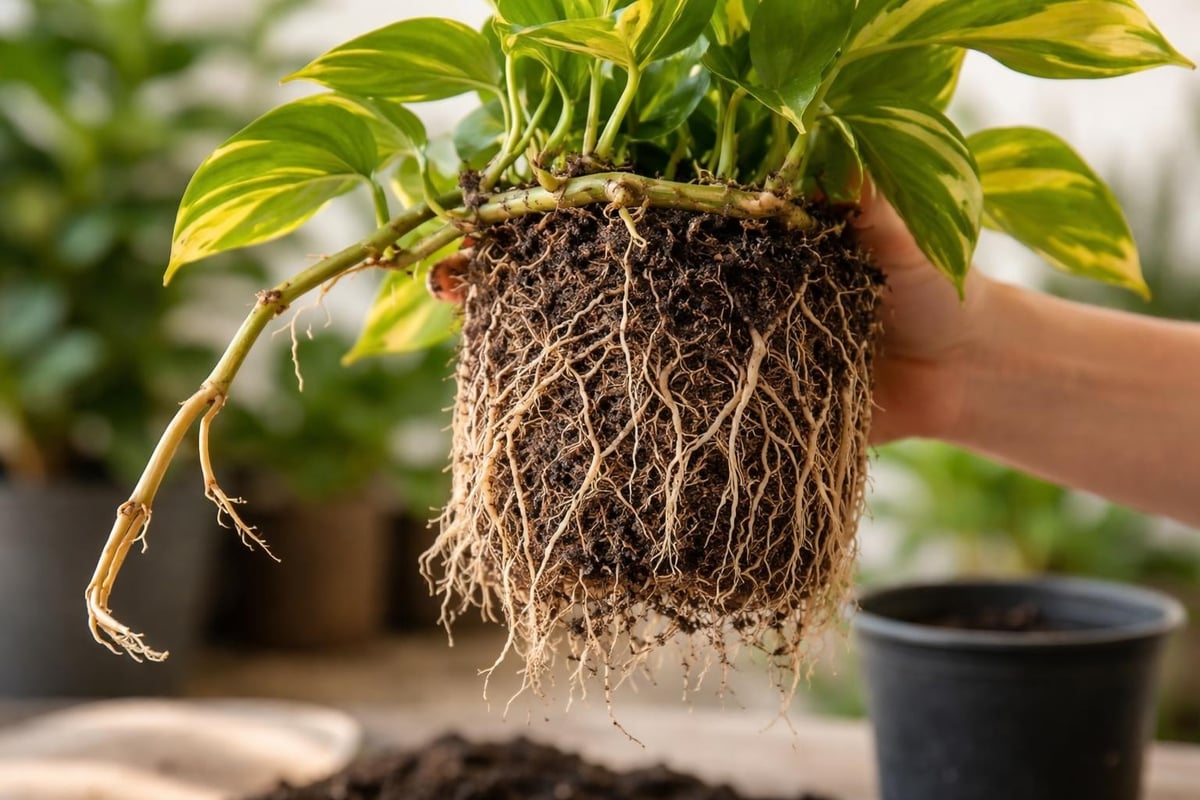
Golden pothos grows relatively quickly, requiring repotting every eighteen to twenty-four months when roots become crowded. Signs indicating repotting needs include roots emerging from drainage holes, water running straight through without absorbing, or significantly slowed growth despite proper care.
Select a container only one to two inches larger in diameter than the current pot. Excessively large containers hold too much moisture, increasing root rot risk. Spring represents the ideal repotting time when plants enter active growth and recover quickly from transplanting stress.
- Water plant thoroughly one day before repotting
- Gently remove plant from current container
- Loosen root ball and remove old soil
- Trim any damaged or rotting roots
- Place in new container with fresh potting mix
- Water lightly and position in indirect light
- Avoid fertilizing for four weeks post-repotting
Handle aerial roots carefully during repotting as they contribute to nutrient and moisture absorption. These specialized roots distinguish pothos from many houseplants and shouldn't be removed unless damaged.
Displaying Golden Pothos Creatively in Your Home
The versatile growth habit of golden pothos enables countless creative display options throughout residential spaces. From minimalist modern aesthetics to bohemian jungle vibes, this plant adapts to various interior design styles while providing living beauty.
Hanging baskets showcase the cascading nature beautifully, particularly in bathrooms where ambient humidity benefits the plant. Wall-mounted planters create living art installations, while shelf placements allow vines to drape naturally downward. For dramatic vertical statements, train multiple plants up a tall moss pole in a substantial floor planter.
Kitchen displays benefit from golden pothos air-purification qualities, though position plants away from cooking surfaces where grease accumulation may coat leaves. Bedroom placements contribute to improved air quality overnight, supporting better sleep quality through oxygen production and toxin removal.
Office environments transform with golden pothos additions, providing psychological benefits through biophilic design principles. The low-maintenance requirements suit busy professionals while creating calming green focal points in work spaces.
Golden pothos represents an exceptional choice for anyone seeking to enhance their indoor environment with living greenery that forgives occasional care lapses while delivering consistent beauty. By following these comprehensive guidelines covering light, water, soil, propagation, and troubleshooting, you'll cultivate thriving vines that purify your air and elevate your space for years to come. Whether you're starting your first plant collection or expanding an established indoor garden, Divine Roots provides carefully selected, greenhouse-grown plants and stylish planters delivered directly to your door, making it easier than ever to bring the beauty and benefits of golden pothos into your home.
🌿 Related Reading
- Easy Care Houseplants
- Hanging Plants Indoor
- How to Care for Pothos
- How to Care for Philodendron
- How to Care for Tradescantia
About the author
Written and reviewed by Robert, Founder of Divine Roots — he grows, propagates and ships the plants we sell, and the care advice here reflects what actually works in our own greenhouse.
Frequently Asked Questions
How often should I water a golden pothos?
Water when the top one to two inches of soil are dry, roughly every seven to ten days in summer and every ten to fourteen days in winter. Golden pothos tells you clearly when it is thirsty by drooping slightly, and it recovers within hours of a thorough soak.
Why is my golden pothos losing its variegation?
Fading yellow marbling means too little light. Variegated sections carry less chlorophyll, so in dim rooms the plant produces greener leaves to compensate. Move it to bright indirect light and prune back the plainest vines to push fresh, better-variegated growth.
Can golden pothos grow in water permanently?
Yes, cuttings live indefinitely in water if you change it every one to two weeks and add a few drops of dilute liquid fertilizer monthly. Growth is slower than in soil, and water-grown roots struggle when later moved to soil, so pick one and stay with it.
Why are my golden pothos leaves turning yellow?
Yellow leaves most often mean overwatering, especially when several lower leaves yellow together and the soil stays wet. Occasional yellowing of the oldest leaf is normal aging. Check the roots for softness and brown colour, and let the soil dry more between waterings.
How do I make my pothos fuller instead of leggy?
Prune regularly just after a node, and root the cuttings straight back into the same pot. That is the only fast way to fill the crown. Leggy growth with wide gaps between leaves also signals low light, so brighten the position at the same time.
Is golden pothos toxic to cats and dogs?
Yes. Pothos contains insoluble calcium oxalate crystals that cause mouth pain, drooling, and vomiting if chewed. It is a common cause of pet plant calls. Hang it high or grow it on a shelf well away from cats, who are drawn to trailing vines.
Share