

Best Inside Plants: Expert Guide for 2026
Selecting the right greenery for your living space can transform a house into a thriving home sanctuary. Whether you're looking to purify your air, add a touch of nature to a dim corner, or simply brighten your mood, understanding which varieties thrive indoors makes all the difference. The best inside plants combine aesthetic appeal with practical benefits, offering everything from stress reduction to improved air quality. This comprehensive guide explores top-performing indoor varieties that suit various skill levels, lighting conditions, and lifestyle needs, helping you build a flourishing indoor garden that enhances your daily environment.
Understanding What Makes the Best Inside Plants
The definition of exceptional indoor greenery goes far beyond simple survival. True winners in the houseplant category demonstrate resilience against common indoor challenges while providing measurable benefits to their environment.
Key characteristics include:
- Adaptability to varying light conditions and humidity levels
- Low maintenance requirements suitable for busy lifestyles
- Air purification capabilities that actively improve indoor air quality
- Aesthetic versatility complementing diverse interior design styles
- Growth patterns appropriate for available space
Research from Bellevue College's indoor plant study demonstrates that specific species significantly reduce indoor air pollutants while boosting mental wellness. The comprehensive guide from Plant Detectives further emphasizes that selecting plants matching your specific environmental conditions yields the highest success rates.
Understanding your home's unique conditions helps narrow down options effectively. Consider factors like natural light availability, temperature fluctuations, humidity levels, and the time you can dedicate to care routines when making selections.
Top Low-Maintenance Varieties for Busy Lifestyles
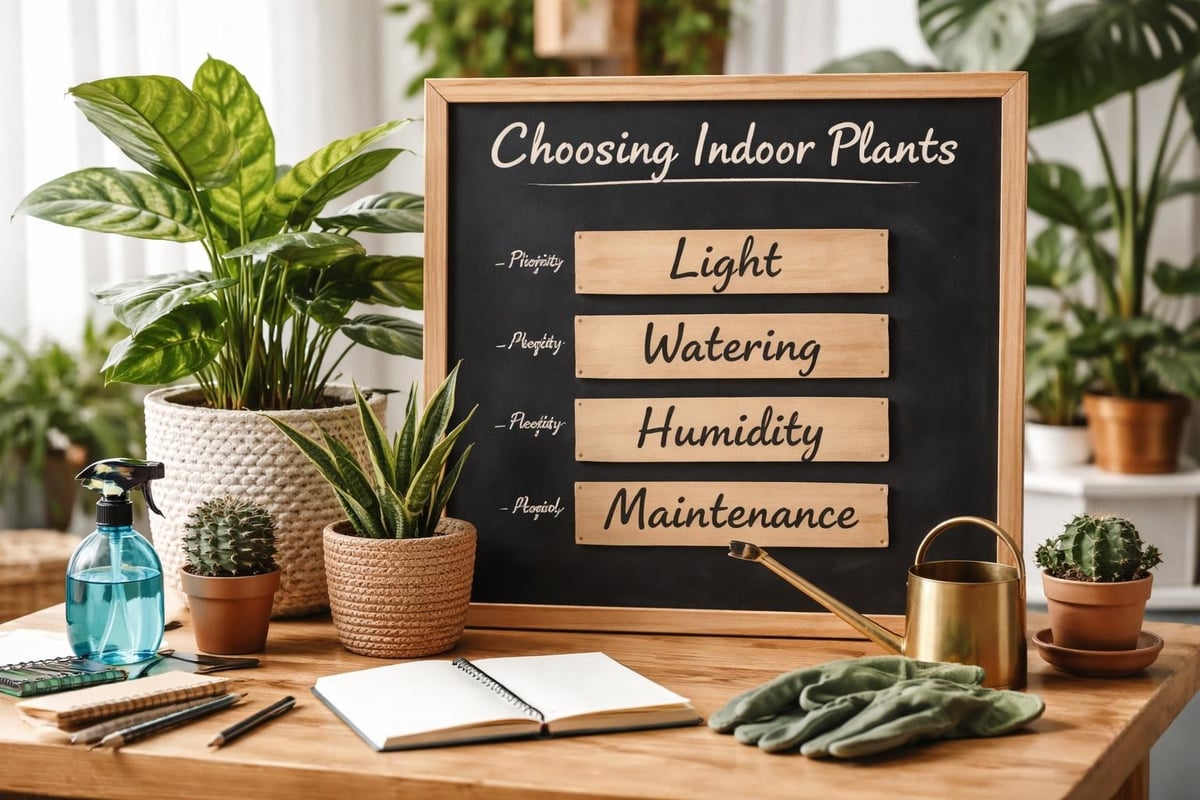
Modern life demands greenery that thrives despite hectic schedules. The best inside plants for minimal care combine forgiveness with visual impact.
Snake Plants (Sansevieria)
These architectural beauties top every low-maintenance list for good reason. Snake plants tolerate neglect, surviving weeks without water while filtering toxins from indoor air. Their upright growth pattern makes them perfect for tight spaces, and they adapt to both bright indirect light and low-light corners.
Different varieties of snake plants offer distinct aesthetic options, from the classic Laurentii's yellow-edged leaves to the cylindrical variety's tubular foliage. They're virtually indestructible, making them ideal for beginners.
Pothos (Epipremnum aureum)
Golden pothos earns its "devil's ivy" nickname through remarkable resilience. This trailing vine tolerates inconsistent watering and adapts to various light conditions, though it grows more vigorously in brighter spots.
- Grows quickly to fill empty spaces
- Requires watering only when soil becomes dry
- Propagates easily from cuttings
- Available in multiple color variations
ZZ Plant (Zamioculcas zamiifolia)
The ZZ plant's glossy, waxy leaves add sophisticated polish to any room. This species stores water in its rhizomes, allowing it to withstand extended dry periods. It thrives in low to bright indirect light, growing slowly but steadily with minimal intervention. For those seeking easy care plants that make a statement, ZZ plants deliver consistently.
| Plant | Watering Frequency | Light Requirements | Growth Rate |
|---|---|---|---|
| Snake Plant | Every 2-3 weeks | Low to bright indirect | Slow |
| Pothos | Weekly | Low to bright indirect | Fast |
| ZZ Plant | Every 2-4 weeks | Low to bright indirect | Slow |
| Spider Plant | Weekly | Bright indirect | Moderate |
Air-Purifying Champions for Healthier Homes
The best inside plants don't just look beautiful; they actively improve indoor air quality by filtering harmful compounds and releasing oxygen. NASA's Clean Air Study identified several houseplants with exceptional purification capabilities.
Peace Lily (Spathiphyllum)
Peace lilies combine elegant white blooms with powerful air-cleaning abilities. They remove benzene, formaldehyde, and trichloroethylene from indoor environments while signaling their water needs through slightly drooping leaves. This built-in indicator makes peace lily care straightforward even for novices.
These plants prefer medium to low light and appreciate consistently moist soil. Monthly feeding during growing season promotes healthy blooms.
Spider Plant (Chlorophytum comosum)
Spider plants excel at removing carbon monoxide and xylene while producing oxygen abundantly. Their cascading growth habit and easy propagation through plantlets make them both functional and decorative.
Care essentials:
- Place in bright, indirect light for best growth
- Water when top inch of soil dries
- Remove plantlets to encourage bushier growth or pot them for new plants
- Maintain moderate humidity for optimal health
Boston Fern (Nephrolepis exaltata)
Boston ferns act as natural humidifiers while filtering formaldehyde and xylene. Their lush, feathery fronds create dramatic visual impact, though they require more attention than other options on this list. Regular misting and consistent moisture keep them thriving.
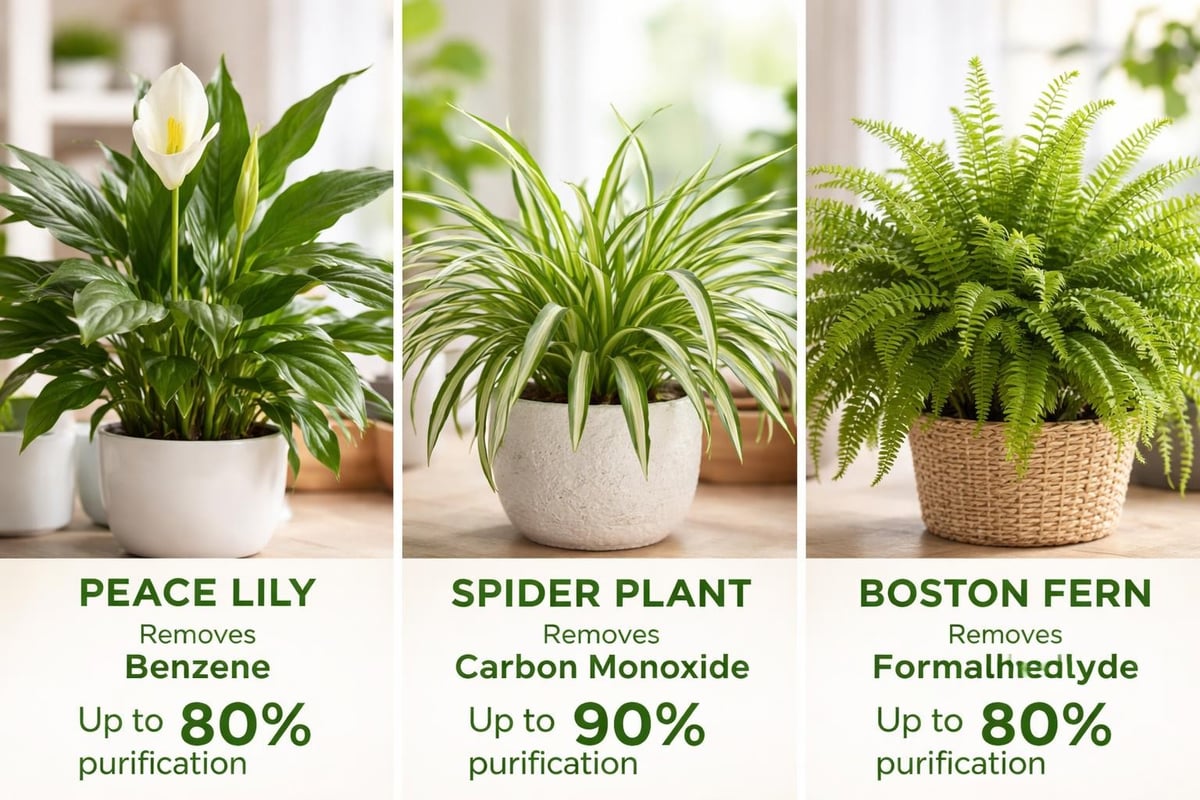
According to Forbes' expert recommendations, combining multiple air-purifying species throughout your home creates the most significant impact on indoor air quality.
Best Inside Plants for Low-Light Conditions
North-facing rooms and spaces far from windows need not remain plant-free. Several species thrive in dim conditions, bringing life to shadowy corners.
Dracaena Species
Dracaena varieties, including Dragon Tree and Corn Plant, tolerate low light while adding vertical interest. Their striped or solid green foliage creates architectural drama, and they're forgiving of occasional watering lapses. These plants grow slowly in dim conditions but remain healthy and vibrant.
Cast Iron Plant (Aspidistra elatior)
True to its name, this nearly indestructible plant withstands neglect, low light, temperature fluctuations, and irregular watering. Dark green leaves emerge directly from the soil, creating a lush groundcover effect perfect for floor displays.
Chinese Evergreen (Aglaonema)
Chinese evergreens offer stunning leaf patterns in silver, pink, and red variegations while tolerating low-light environments. They prefer warm temperatures and moderate humidity but adapt readily to typical home conditions. For comprehensive guidance on plants that don't require sunlight, these varieties lead the pack.
Pet-Friendly Options for Animal-Loving Households
Safety matters when sharing spaces with curious pets. The best inside plants for pet owners combine beauty with non-toxicity.
Spider Plant
Beyond its air-purifying qualities, the spider plant poses no danger to cats or dogs. While felines might nibble the grass-like leaves, the plant remains completely safe.
Boston Fern
This humidity-loving fern is entirely pet-safe, making it ideal for homes with animals who investigate greenery. Its dramatic fronds add visual interest without risk.
Parlor Palm (Chamaedorea elegans)
Parlor palms bring tropical elegance while remaining completely safe for pets. They adapt to low light and grow slowly, eventually reaching 3-4 feet indoors. Regular watering and occasional feeding maintain their graceful appearance.
Pet-friendly plant collections provide peace of mind while beautifying your space. Root & Reach Botanicals specializes in ASPCA-verified non-toxic varieties, offering extensive selection for pet-owning families.
| Pet-Safe Plant | Light Needs | Watering | Special Features |
|---|---|---|---|
| Spider Plant | Bright indirect | Moderate | Air purifying, easy propagation |
| Boston Fern | Medium to low | High | Humidity lover, dramatic foliage |
| Parlor Palm | Low to medium | Moderate | Tropical appearance, compact |
| Prayer Plant | Medium | Moderate | Moving leaves, colorful patterns |
Succulents: Compact Beauty with Minimal Demands
Succulents represent the best inside plants for those seeking striking aesthetics with virtually zero maintenance. Their water-storing capabilities make them exceptionally drought-tolerant.
Aloe Vera
Beyond its medicinal properties, aloe vera thrives with minimal care. Bright light and infrequent watering keep this succulent healthy. The health benefits of aloe vera extend from topical applications to indoor air improvement.
Jade Plant (Crassula ovata)
Jade plants develop tree-like forms over time, with thick, glossy leaves storing water efficiently. They prefer bright light and well-draining soil, requiring water only when completely dry.
Echeveria Varieties
These rosette-forming succulents offer incredible variety in colors and textures. From powder blue to deep purple, echeverias create living art with minimal intervention. Succulent bundles provide diverse collections perfect for creating desktop gardens or windowsill displays.
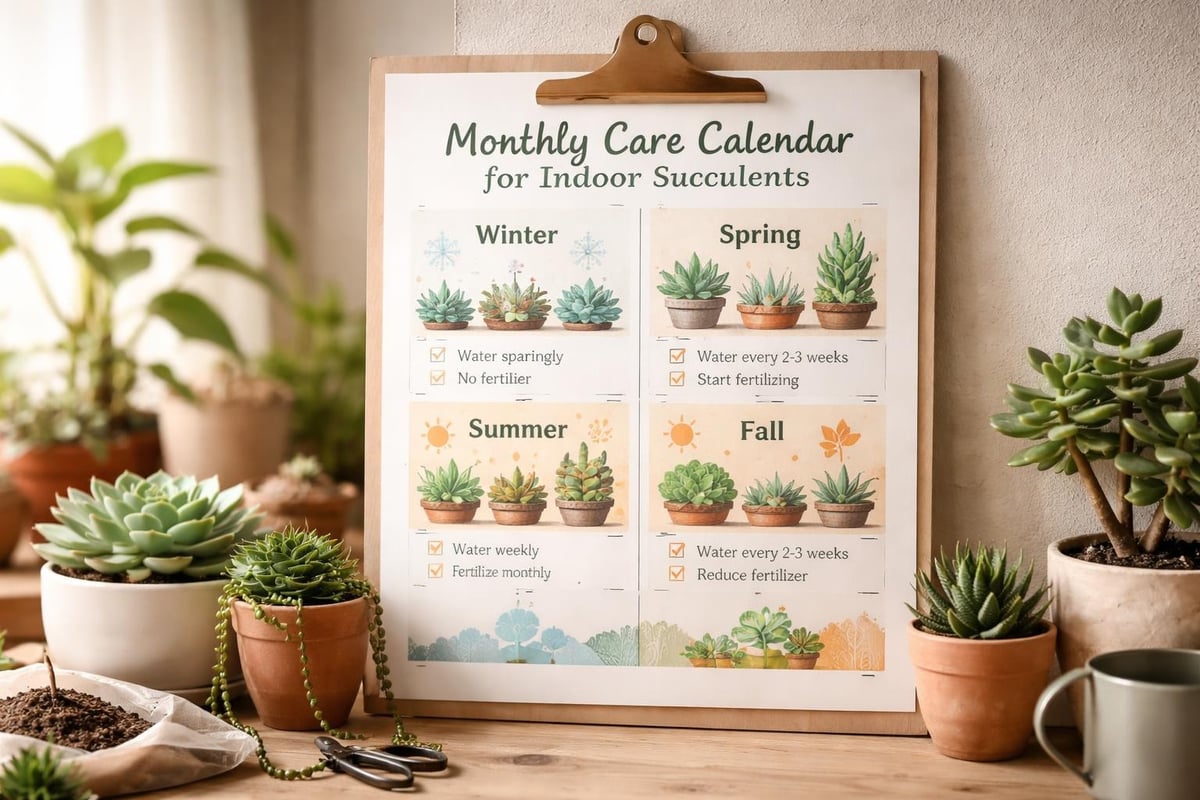
Succulent care fundamentals:
- Provide bright, indirect to direct light
- Water thoroughly but infrequently
- Use well-draining soil specifically formulated for cacti and succulents
- Avoid overwatering, which causes root rot
- Feed sparingly during growing season
Statement Plants That Transform Spaces
Some varieties serve as living sculptures, anchoring rooms with bold presence. The best inside plants for visual impact combine size with manageable care requirements.
Fiddle Leaf Fig (Ficus lyrata)
This Instagram-famous plant features large, violin-shaped leaves that create dramatic architectural interest. While fiddle leaf figs require specific care regarding light and watering consistency, their stunning appearance justifies the attention. Address growth issues promptly to maintain their majestic form.
Monstera Deliciosa
Swiss cheese plants bring tropical vibes with their fenestrated leaves. They climb naturally, making them perfect for corners where vertical growth adds dimension. Moderate light and weekly watering during growing season keep them thriving.
Bird of Paradise (Strelitzia)
Bird of paradise plants create resort-like ambiance with their large, paddle-shaped leaves. They need bright light and regular watering but reward attentive care with impressive height and occasional orange blooms indoors.
Creating Your Indoor Plant Collection
Building a thriving indoor garden involves strategic selection based on your specific circumstances. Start with easy varieties to build confidence, then gradually introduce more challenging species as you develop your green thumb.
Steps for success:
- Assess available light in each room using a light meter app
- Select plants matching those specific conditions
- Group plants with similar water requirements
- Invest in appropriate containers with drainage
- Establish consistent care routines
The best-selling plants often represent proven performers that thrive in typical home environments. Reading indoor plant care books provides deeper knowledge, while evidence-based plant websites offer reliable troubleshooting guidance.
Monitor your plants regularly for signs of stress. Yellow leaves might indicate overwatering, while brown tips suggest low humidity or inconsistent watering. Addressing common issues promptly prevents minor problems from becoming major setbacks.
Seasonal Care Adjustments
The best inside plants adapt to changing seasons, but they benefit from adjusted care routines throughout the year. Understanding these cycles optimizes growth and prevents stress.
Winter Care
- Reduce watering frequency as growth slows
- Increase humidity to combat dry indoor air from heating systems
- Move plants closer to windows for maximum light exposure
- Suspend fertilizing during dormancy
- Monitor for fungus gnats which thrive in consistently moist soil
Spring and Summer Growth
Spring triggers active growth for most houseplants. Increase watering as temperatures rise and plants actively grow. Resume fertilizing schedules, typically every 2-4 weeks with diluted liquid fertilizer. This period is ideal for repotting root-bound plants and propagating new specimens.
Fall Transition
Gradually reduce watering and feeding as daylight hours decrease. Clean leaves to maximize light absorption and inspect thoroughly for pests before heating season begins.
Common Mistakes to Avoid
Even experienced plant parents encounter challenges. Understanding frequent pitfalls helps prevent them.
Top errors:
- Overwatering: The leading cause of houseplant death. Most species prefer slight drought over constant moisture.
- Insufficient drainage: Pots without drainage holes trap water, causing root rot.
- Wrong light placement: Matching plant needs to available light is crucial.
- Ignoring humidity: Many tropical plants struggle in dry indoor air.
- Inconsistent care: Erratic watering schedules stress plants more than consistent slight under-watering.
Preventing fungus and mold begins with proper watering technique and adequate air circulation. Resources on house plants for beginners emphasize starting with forgiving species that tolerate learning curves.
Maximizing Small Spaces
Limited square footage shouldn't prevent enjoying the best inside plants. Creative placement and variety selection allow even tiny apartments to host thriving greenery.
Vertical Gardening
- Wall-mounted planters utilize vertical space efficiently
- Hanging baskets showcase trailing varieties
- Shelf systems create multi-level displays
- Climbing plants on trellises add height without floor space
Creating cozy indoor gardens in small spaces demonstrates how strategic plant selection maximizes impact. Compact varieties like miniature succulents, air plants, and small pothos provide greenery without overwhelming limited areas.
Multi-Functional Displays
Combine plants with functional items like bookends, mirrors, or decorative objects. This integration makes greenery feel intentional rather than cluttered. Kitchen herb gardens serve dual purposes, providing fresh seasonings while beautifying countertops.
Selecting and caring for the best inside plants enhances both your living space and overall wellbeing, creating a healthier, more beautiful home environment. Whether you're drawn to low-maintenance succulents, air-purifying powerhouses, or dramatic statement plants, success comes from matching varieties to your specific conditions and lifestyle. Divine Roots simplifies this process by offering carefully curated selections shipped directly from their greenhouse, ensuring you receive healthy, thriving plants ready to flourish in your home. Their expertise in indoor varieties, combined with modern planters and comprehensive care guidance, makes building your dream indoor garden straightforward and enjoyable.
🌿 Related Reading
Share