

Taking Care of Indoor Plants: Complete Care Guide 2026
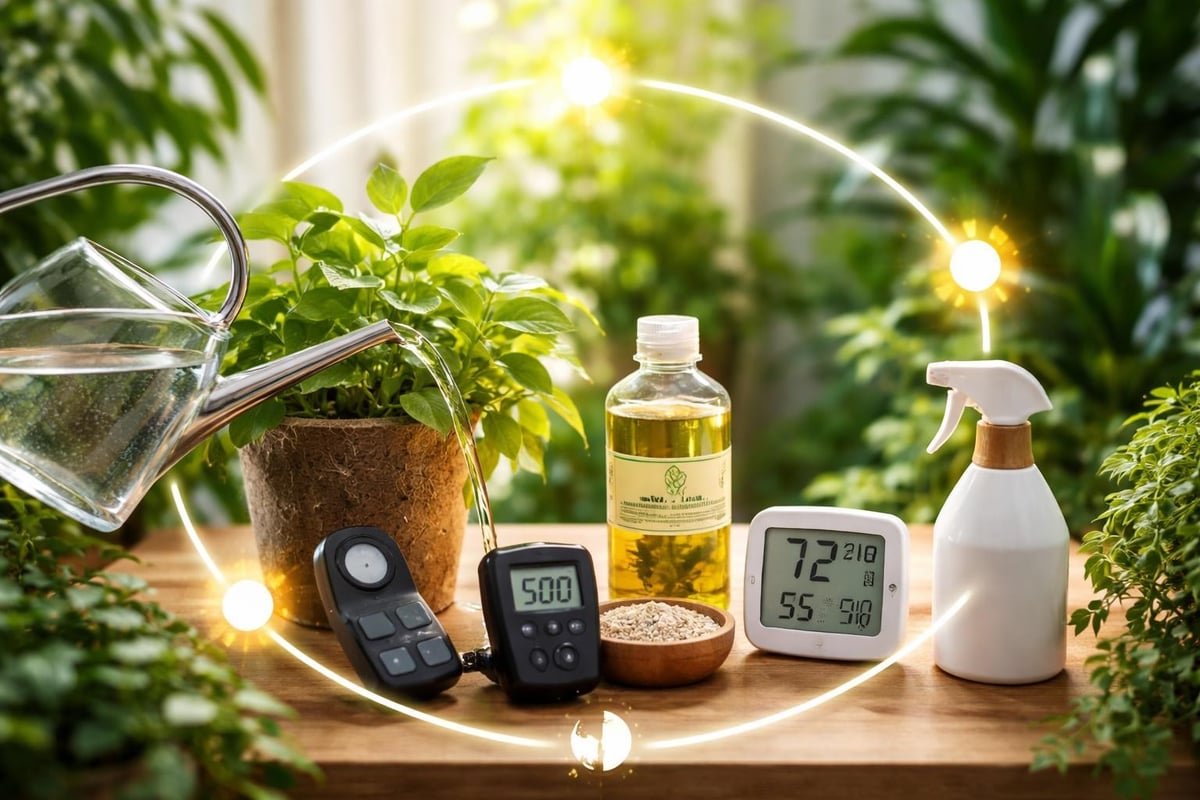
Taking care of indoor plants has become more than just a hobby in 2026-it's a lifestyle choice that transforms living spaces into vibrant sanctuaries. Whether you're nurturing your first succulent or managing a collection of air-purifying varieties, understanding the fundamentals of plant care ensures your green companions thrive year-round. The journey from selecting the perfect plant to watching it flourish involves mastering several critical elements, from watering techniques to recognizing early warning signs of distress. This comprehensive guide explores proven strategies that help both beginners and experienced plant enthusiasts create optimal growing conditions for their indoor gardens.
Understanding Your Plant's Basic Needs
Every plant species has unique requirements, but taking care of indoor plants successfully begins with understanding five fundamental needs: water, light, nutrients, appropriate temperature, and adequate humidity. Plants purchased from Divine Roots come with specific care instructions tailored to each variety, making it easier to establish proper routines from day one.
Light serves as the energy source for photosynthesis, the process through which plants produce food. Different species have evolved to thrive in varying light conditions, from bright direct sunlight to low-light environments. Snake plants and ZZ plants excel in minimal light conditions, while fiddle leaf figs and succulents demand brighter exposure to maintain their vibrant appearance.
Temperature consistency matters more than many plant owners realize. Most tropical houseplants prefer temperatures between 65-75°F during the day, with slight drops at night mimicking their natural habitat. Avoid placing plants near heating vents, air conditioning units, or drafty windows where temperature fluctuations can stress delicate foliage.
Selecting the Right Plants for Your Space
The first step in taking care of indoor plants effectively involves choosing varieties that match your available light and lifestyle. Beginner-friendly options include pothos, spider plants, and peace lilies, which tolerate occasional neglect while still providing visual impact.
Low-maintenance varieties perfect for busy schedules:
- ZZ plants: Drought-tolerant, thrives in low light
- Snake plants: Minimal watering, air-purifying properties
- Pothos: Adaptable to various light conditions
- Spider plants: Resilient, produces offspring easily
For those ready to advance their skills, philodendrons offer stunning foliage diversity. Learning how to grow philodendrons requires understanding their preference for indirect bright light and consistent moisture levels. These tropical beauties reward attentive care with rapid growth and impressive leaf development.
Mastering the Art of Watering
Overwatering ranks as the leading cause of houseplant death, yet taking care of indoor plants doesn't require complicated watering schedules. The key lies in understanding that each plant's water needs vary based on species, pot size, soil composition, and environmental conditions.
The finger test provides the most reliable watering indicator. Insert your finger approximately two inches into the soil-if it feels dry at that depth, it's time to water. For moisture-loving plants like ferns and calatheas, water when the top inch feels dry. Succulents and cacti prefer their soil to dry completely between waterings.
| Plant Type | Watering Frequency | Soil Moisture Preference |
|---|---|---|
| Succulents | Every 2-3 weeks | Completely dry between waterings |
| Tropical Plants | Weekly | Consistently moist, not soggy |
| Ferns | 2-3 times weekly | Evenly moist at all times |
| Snake Plants | Every 2-4 weeks | Dry to slightly moist |
| Pothos | Weekly | Top 2 inches dry |
Water quality matters significantly. Tap water containing high levels of chlorine, fluoride, or minerals can accumulate in soil, causing leaf tip burn. Allow tap water to sit overnight before use, or consider filtered water for sensitive species. Room temperature water prevents shock to root systems compared to cold water straight from the tap.
Drainage remains absolutely critical when taking care of indoor plants. Every container must have drainage holes to prevent water accumulation at the bottom, which leads to root rot. Place saucers under pots to catch excess water, but empty them within 30 minutes to avoid reabsorption.
Recognizing Watering Problems
Common watering mistakes often manifest through visible symptoms. Yellow leaves typically indicate overwatering, while brown, crispy edges suggest underwatering or low humidity. Wilting can signal either extreme-check soil moisture before adjusting your routine.
Understanding common houseplant care habits that harm plants helps prevent devastating mistakes. Establishing consistent watering schedules based on plant needs rather than calendar dates creates healthier root systems and more resilient plants.
Optimizing Light Conditions
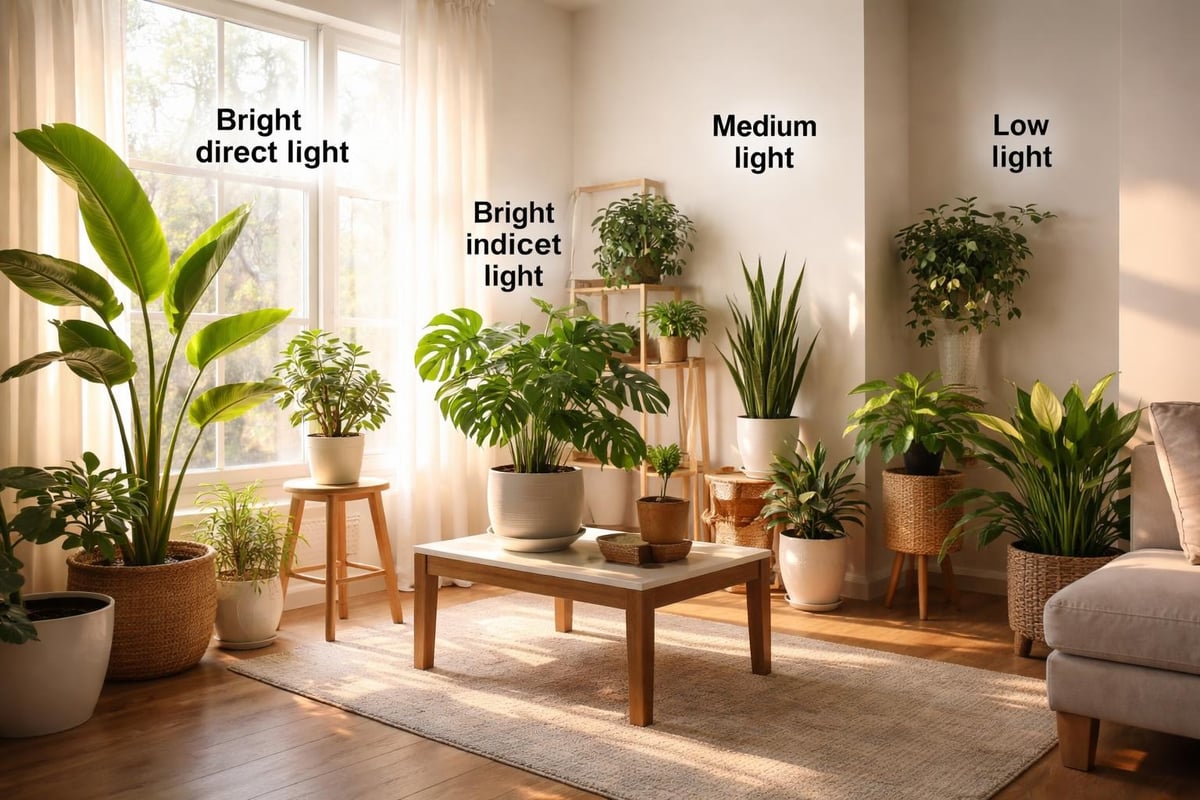
Light requirements represent perhaps the most crucial factor in taking care of indoor plants successfully. Direct light means unobstructed sun rays hitting foliage, bright indirect light provides strong illumination without direct exposure, and low light describes areas several feet from windows or rooms with minimal natural light.
South-facing windows deliver the brightest, most intense light throughout the day, ideal for sun-loving succulents and cacti. East-facing windows provide gentle morning sun perfect for most tropical houseplants. West-facing windows offer strong afternoon light, while north-facing windows supply the lowest natural light levels suitable for shade-tolerant varieties.
Signs your plant needs light adjustment:
- Leggy growth: Stems stretching toward light sources indicate insufficient exposure
- Pale or yellowing leaves: Often signals too much direct sun or nutrient deficiency
- Slow growth during growing season: Suggests inadequate light
- Leaf drop: Can indicate sudden light changes or insufficient exposure
For spaces lacking adequate natural light, air-purifying indoor plants like snake plants and pothos adapt remarkably well to artificial lighting. Full-spectrum grow lights supplement natural light during winter months or provide complete lighting solutions for windowless rooms.
Rotate plants quarterly to ensure even growth on all sides. Plants naturally grow toward light sources, and regular rotation prevents lopsided development. This simple practice maintains symmetrical, attractive shapes while ensuring all foliage receives adequate exposure.
Soil, Fertilization, and Repotting Essentials
Quality potting soil provides the foundation for taking care of indoor plants effectively. Unlike garden soil, proper potting mixes offer excellent drainage, aeration, and nutrient retention. Standard houseplant mixes work well for most varieties, while specialized blends serve specific needs-cacti require fast-draining sandy mixes, while orchids thrive in bark-based media.
Fertilization replenishes nutrients depleted through regular watering and plant growth. During the active growing season from March through September, most houseplants benefit from monthly feeding with balanced liquid fertilizer diluted to half strength. Reduce or eliminate fertilization during winter dormancy when growth naturally slows.
Common fertilization mistakes to avoid:
- Over-fertilizing, which causes salt buildup and burnt roots
- Fertilizing newly repotted plants before they establish
- Using outdoor garden fertilizer formulated for different needs
- Applying fertilizer to dry soil, which concentrates nutrients
For comprehensive guidance on indoor plant nutrition, Miracle-Gro's indoor plant care resources provide detailed feeding schedules and product recommendations. Following manufacturer instructions prevents common fertilization errors that stress plants.
When and How to Repot
Repotting becomes necessary when roots circle the pot's interior, emerge from drainage holes, or when water runs straight through without absorption. Most houseplants require repotting every 18-24 months, though fast-growers may need annual attention.
Choose containers only 1-2 inches larger in diameter than current pots. Oversized containers hold excess moisture that roots cannot access, promoting fungal growth and root rot. Spring represents the ideal repotting season when plants actively grow and recover quickly from transplant stress.
| Plant Growth Rate | Repotting Frequency | Container Size Increase |
|---|---|---|
| Fast (Pothos, Spider Plants) | Annually | 2 inches larger |
| Moderate (Philodendrons) | Every 18 months | 1-2 inches larger |
| Slow (ZZ Plants, Snake Plants) | Every 2-3 years | 1 inch larger |
| Succulents | Every 2 years | Same size or 1 inch larger |
Humidity and Environmental Factors
Taking care of indoor plants in modern homes often means compensating for low humidity levels created by heating and cooling systems. Most tropical houseplants prefer 40-60% humidity, while average indoor environments hover around 30-40% during winter months.
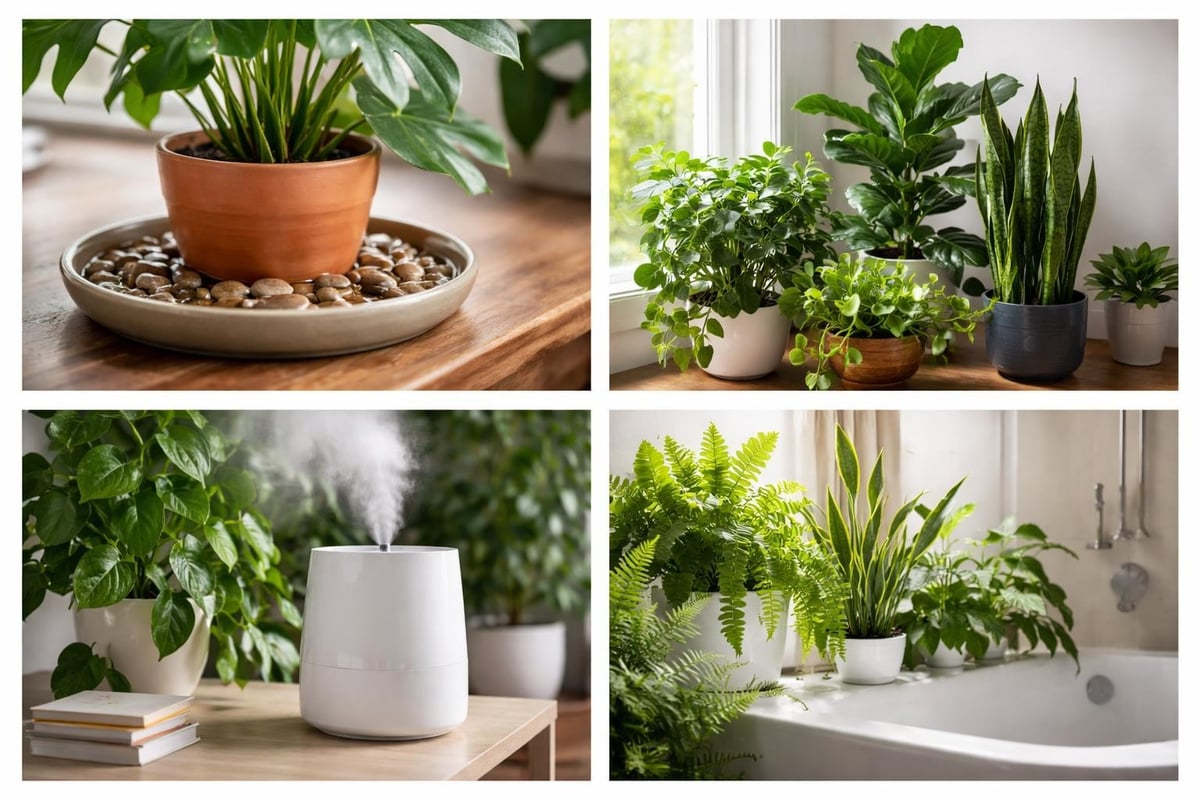
Several methods increase localized humidity without affecting entire rooms. Pebble trays filled with water beneath pots create humid microclimates as water evaporates. Grouping plants together allows them to share transpired moisture, creating naturally humid zones. Humidifiers offer the most consistent solution for extensive collections or particularly sensitive species.
Misting provides temporary humidity relief but offers limited long-term benefits since water evaporates quickly. For ferns, calatheas, and other humidity-loving plants, consistent environmental moisture matters more than occasional spraying. That said, regular misting does help clean dust from foliage, improving photosynthesis efficiency.
Air circulation prevents fungal issues and strengthens stems through gentle movement. However, avoid placing plants directly in front of fans or in high-traffic areas where constant drafts cause stress. Gentle, indirect airflow from ceiling fans or natural ventilation maintains healthy growing conditions.
Pruning, Cleaning, and Maintenance
Regular maintenance keeps plants healthy and attractive while preventing pest infestations and disease. Taking care of indoor plants includes removing dead or yellowing leaves promptly, which redirects energy toward new growth and eliminates potential disease harbors.
Essential maintenance tasks and frequency:
- Dusting leaves: Monthly with damp cloth or gentle shower
- Pruning dead foliage: As needed when spotted
- Checking for pests: Weekly during inspection
- Rotating plants: Every 2-3 months for even growth
- Inspecting drainage: Each watering session
Clean leaves absorb light more efficiently and transpire properly. Large-leaved plants like fiddle leaf figs and monstera benefit from individual leaf wiping, while smaller-leaved varieties appreciate gentle showers. Support leaves from beneath while cleaning to prevent damage.
Detailed advice on how to care for indoor plants emphasizes that pruning encourages bushier growth by removing leggy stems and promoting branching. Sterilize pruning shears between plants using rubbing alcohol to prevent disease transmission. Make cuts just above leaf nodes at 45-degree angles for quickest healing.
Preventing and Addressing Common Problems
Even with excellent care practices, taking care of indoor plants occasionally involves troubleshooting issues. Early detection prevents minor problems from becoming severe damage. Daily observation during watering reveals changes in leaf color, texture, or growth patterns.
Pest Management
Common indoor plant pests include:
- Fungus gnats: Thrive in overly moist soil
- Spider mites: Create fine webbing, prefer dry conditions
- Mealybugs: Appear as white cottony masses
- Scale insects: Look like brown bumps on stems and leaves
For fungus gnat control specifically, explore strategies to eliminate fungus gnat larvae before populations explode. Allowing soil to dry between waterings disrupts their lifecycle, while yellow sticky traps catch adults.
Isolate affected plants immediately to prevent pest spread throughout collections. Treat minor infestations with insecticidal soap or neem oil applications weekly until pests disappear. Severe cases may require systemic treatments or, as a last resort, disposal of heavily infested plants.
Disease Recognition
Fungal and bacterial diseases typically result from excessive moisture on foliage or in soil. Preventing and treating fungus and mold requires improving air circulation, reducing watering frequency, and removing affected plant parts. Water at soil level rather than overhead to keep foliage dry.
Root rot, caused by overwatering and poor drainage, manifests as mushy black roots and wilting despite wet soil. Treatment involves removing affected roots, repotting in fresh soil with improved drainage, and adjusting watering practices. Prevention through proper watering techniques proves far easier than treatment.
Specialized Care for Popular Varieties
Different plant families require specific approaches to taking care of indoor plants successfully. Understanding these variations helps tailor care routines to individual species rather than applying generic advice across diverse collections.
Spider Plants and Easy-Care Favorites
Spider plants rank among the most forgiving houseplants, tolerating various light conditions and occasional neglect. Growing and caring for spider plants involves providing bright indirect light, regular watering when soil feels dry, and occasional fertilization. Their prolific offspring production allows easy propagation and sharing with friends.
For additional beginner-friendly options, explore house plants for beginners that tolerate learning curves while providing attractive displays. These resilient varieties build confidence and foundational care skills.
Low-Water Specialists
ZZ plants exemplify drought tolerance through thick rhizomes that store water for extended periods. Caring for ZZ plants requires minimal intervention-monthly watering, low to bright indirect light, and annual fertilization. Their glossy leaves maintain appearance even with sporadic attention, perfect for frequent travelers.
Snake plants offer similar resilience with striking architectural forms. Various types of snake plants provide options from compact varieties to tall statement pieces, all sharing minimal care requirements and air-purifying capabilities.
Statement Plants Requiring Attention
Fiddle leaf figs have become design icons but demand consistent care. These tropical trees prefer bright indirect light, consistent moisture without waterlogging, and stable temperatures. Troubleshooting fiddle leaf fig growth issues often involves adjusting light exposure or addressing root-bound conditions through repotting.
Peace lilies signal watering needs through dramatic wilting, recovering quickly once watered. Understanding peace lily water requirements prevents stress cycles, though their resilience forgives occasional oversights. Their white blooms add elegance to any space while purifying air.
Seasonal Adjustments and Long-Term Success
Taking care of indoor plants year-round requires adjusting routines as seasons change. Winter months bring reduced daylight hours, lower humidity from heating systems, and natural dormancy for many species. Reduce watering frequency by 30-50% during this period, as plants consume less water with slower growth rates.
Growth accelerates during spring and summer when increasing daylight triggers active development. Resume regular fertilization, increase watering as needed, and monitor for rapid growth that may require repotting. This seasonal awareness prevents common mistakes like overwatering dormant plants or underfeeding during peak growth.
Seasonal care adjustments by quarter:
| Season | Light Changes | Watering | Fertilization | Special Considerations |
|---|---|---|---|---|
| Spring | Increasing intensity | Resume normal schedule | Begin monthly feeding | Prime repotting season |
| Summer | Maximum exposure | May need more frequent | Continue monthly | Watch for heat stress |
| Fall | Decreasing hours | Begin reducing | Stop by October | Prepare for dormancy |
| Winter | Minimal natural light | Reduce by 30-50% | None unless actively growing | Monitor humidity levels |
The research on relationships between people and their indoor plants reveals that successful long-term plant ownership involves developing intuitive understanding of individual plant needs. This connection develops through consistent observation and responsive care adjustments.
Creating Optimal Growing Environments
Strategic plant placement maximizes growth potential while enhancing interior design. Group plants with similar care requirements together for efficient maintenance routines. High-humidity lovers thrive in bathrooms, while drought-tolerant species suit bedrooms and offices with less frequent attention.
Consider traffic patterns when positioning floor plants, ensuring they won't be bumped or knocked over during daily activities. Large indoor plant pots create dramatic statements but require sturdy placement and consideration of weight, especially when watered.
Vertical space offers opportunities for trailing plants like pothos and philodendrons. Hanging baskets, wall-mounted planters, and elevated shelves maximize growing area in compact spaces. For detailed strategies, review tips on creating indoor gardens in small spaces that maintain functionality while incorporating abundant greenery.
Pet safety considerations matter when selecting and placing plants. Many common houseplants contain compounds toxic to cats and dogs if ingested. Fortunately, numerous pet-friendly plant options provide safe alternatives without sacrificing aesthetic appeal.
Successfully taking care of indoor plants combines scientific understanding with attentive observation, creating rewarding relationships with living organisms that enhance your home environment. By mastering watering techniques, optimizing light conditions, maintaining proper humidity, and addressing issues promptly, you'll cultivate thriving plants that purify air and elevate your space for years to come. Whether you're just starting your plant journey or expanding an established collection, Divine Roots delivers healthy, greenhouse-grown plants with detailed care instructions and modern planters that complement any décor, setting you up for long-term success with your indoor garden.
🌿 Related Reading
Share